
A nurse is planning care for a client who has just had spinal surgery. Which of the following actions should the nurse include in the plan of care?
Perform neurological checks every 2 hours.
Position the patient in a chair every 2 hours.
Inspect clear drainage on the spinal dressing.
Continue criminal checks.
The Correct Answer is A
Choice A reason: Neurological checks are essential after spinal surgery to monitor for any changes or deterioration in the patient's neurological status. The frequency of these checks can vary based on the patient's condition, but a common standard is to perform them every 4 hours or sooner. However, in some cases, especially immediately post operation, checks may be required more frequently, such as every 2 hours, to ensure any complications are identified and managed promptly.
Choice B reason: While mobilization is an important aspect of postsurgical care to prevent complications such as deep vein thrombosis, positioning a patient in a chair every 2 hours may not be appropriate immediately following spinal surgery. The patient's mobility and pain level must be assessed, and activities should be gradually increased as tolerated.
Choice C reason: Inspecting the spinal dressing is important to identify signs of infection or complications. However, clear drainage is not typically expected and could indicate cerebrospinal fluid leakage, which requires immediate medical attention.
Choice D reason: The term "criminal checks" is not relevant to nursing care and seems to be a typographical error. The nurse's focus should be on clinical assessments and interventions related to the patient's health status.
Nursing Test Bank
Naxlex Comprehensive Predictor Exams
Related Questions
Correct Answer is D
Explanation
Choice A reason: This choice is incorrect. A stroke involving the right cerebral hemisphere typically affects the left side of the body and can cause problems with spatial and perceptual abilities, not necessarily with language or discrimination of words and letters, which are more commonly associated with left hemisphere strokes⁸.
Choice B reason: Motor retardation is not specific to right hemisphere strokes. While right hemisphere strokes can cause weakness on the left side of the body, the term 'motor retardation' is not commonly used to describe this symptom⁸.
Choice C reason: This choice is incorrect because deficits in the right visual field would suggest a problem with the left cerebral hemisphere, not the right. A right hemisphere stroke typically causes problems with the left visual field⁸.
Choice D reason: This is the correct choice. Individuals with right hemisphere strokes may exhibit poor impulse control, as the right hemisphere is involved in judgment and behavior regulation⁸.
Correct Answer is C
Explanation
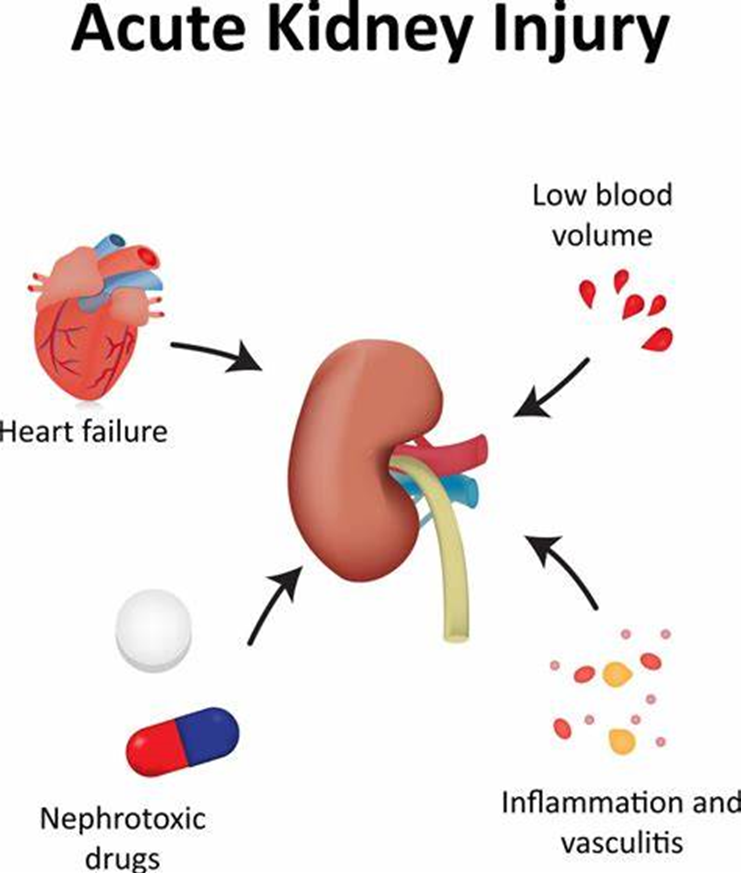
Choice A reason: Renal function is not typically reestablished during the oliguric phase of acute kidney injury; this phase is characterized by a significant reduction in urine output due to renal tubule damage.
Choice B reason: BUN and creatinine levels usually increase during the oliguric phase because the kidneys' ability to filter and excrete these waste products is compromised.
Choice C reason: The oliguric phase is defined by a urine output of less than 400 mL per 24 hours, which is a result of decreased kidney function and damage to the renal tubules.
Choice D reason: The GFR does not recover during the oliguric phase; instead, it is typically low due to reduced kidney function. Recovery of GFR occurs later in the recovery phase of acute kidney injury.
Whether you are a student looking to ace your exams or a practicing nurse seeking to enhance your expertise , our nursing education contents will empower you with the confidence and competence to make a difference in the lives of patients and become a respected leader in the healthcare field.
Visit Naxlex, invest in your future and unlock endless possibilities with our unparalleled nursing education contents today