
A nurse is initiating continuous enteral feedings for a client who has a new gastrostomy tube. Which of the following actions should the nurse take?
Measure the client's gastric residual every 12 hr.
Flush the client's tube with 30 mL of water every 4 hr.
Keep the client's head elevated at 15° during feedings.
Obtain the client's electrolyte levels every 4 hr.
The Correct Answer is B
Choice A reason: Measuring the client's gastric residual every 12 hr is not frequent enough to monitor the feeding tolerance and prevent aspiration. The nurse should measure the gastric residual before each intermittent feeding or every 4 to 6 hr during continuous feeding¹².
Choice B reason: Flushing the client's tube with 30 mL of water every 4 hr is an appropriate action to maintain the tube patency, prevent clogging, and hydrate the client. The nurse should flush the tube before and after each medication administration, feeding, or gastric residual check¹³.
Choice C reason: Keeping the client's head elevated at 15° during feedings is not sufficient to prevent reflux and aspiration. The nurse should elevate the head of the bed at least 30° to 45° during feedings and for at least 30 min to 1 hr after feedings¹⁴.
Choice D reason: Obtaining the client's electrolyte levels every 4 hr is not necessary unless the client has signs of fluid or electrolyte imbalance, such as edema, dehydration, or abnormal vital signs. The nurse should monitor the client's weight, intake and output, and laboratory values as ordered by the provider¹⁵.
Nursing Test Bank
Naxlex Comprehensive Predictor Exams
Related Questions
Correct Answer is A
Explanation
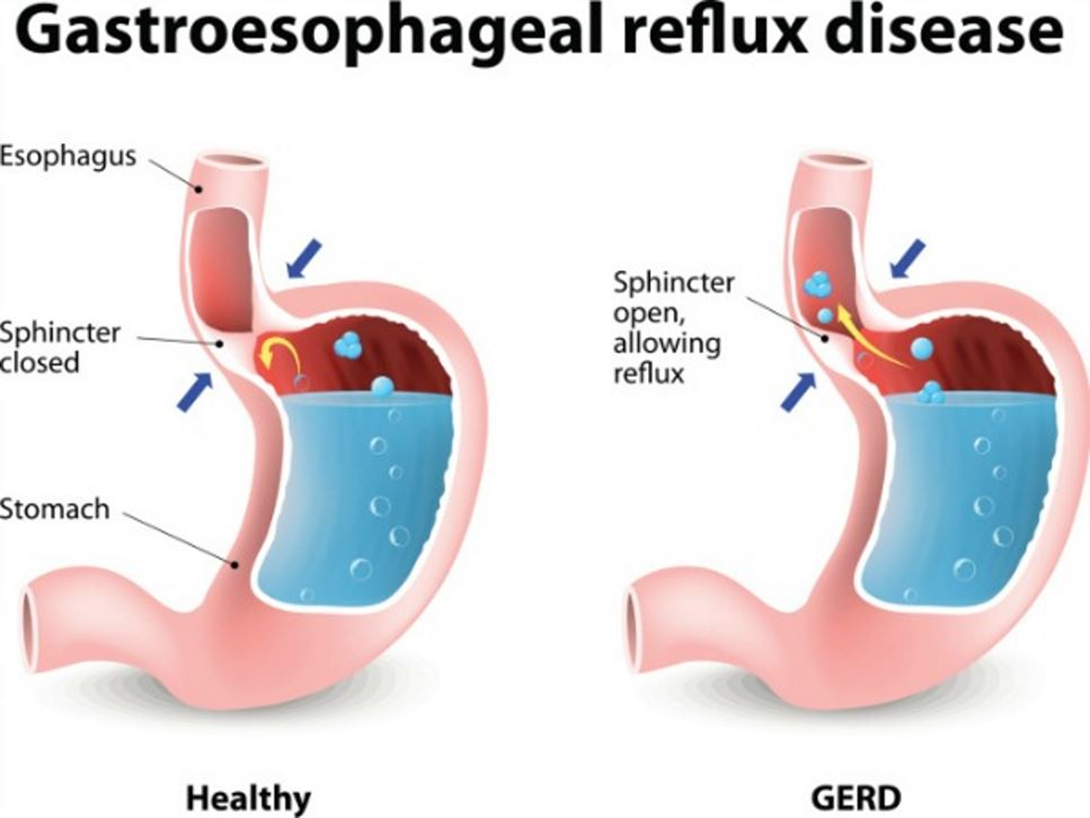
Choice A reason: Positioning the newborn at a 20-degree angle after feeding can help prevent the reflux of gastric contents into the esophagus. This position allows gravity to keep the food in the stomach and reduces the pressure on the lower esophageal sphincter. The nurse should instruct the parent to keep the newborn in this position for at least 30 minutes after each feeding.
Choice B reason: Diluting formula with 1 tablespoon of water is not recommended, as it can cause water intoxication, electrolyte imbalance, and malnutrition in the newborn. Water intoxication can lead to seizures, coma, and death. The nurse should advise the parent to follow the manufacturer's instructions for preparing the formula and not to add extra water.
Choice C reason: Placing the newborn in a side-lying position if vomiting is not a safe practice, as it can increase the risk of aspiration and sudden infant death syndrome (SIDS). Aspiration is when food or liquid enters the lungs and causes pneumonia or respiratory distress. SIDS is when a healthy baby dies suddenly and unexpectedly during sleep. The nurse should instruct the parent to place the newborn on the back for sleeping and to avoid soft bedding, pillows, and stuffed animals.
Choice D reason: Providing a small feeding just before bedtime is not a good idea, as it can worsen the gastroesophageal reflux and disrupt the newborn's sleep. The nurse should suggest the parent to feed the newborn smaller and more frequent meals throughout the day and to avoid feeding the newborn within 2 to 3 hours of bedtime.
Correct Answer is C
Explanation
Choice A reason: The standard DASH diet limits sodium intake to 2,300 milligrams per day, which is about the amount of sodium in 1 teaspoon of table salt¹. A lower sodium version of DASH restricts sodium to 1,500 milligrams per day, which may lower blood pressure even further¹. Therefore, limiting sodium intake to 3,200 milligrams per day is not consistent with the DASH diet.
Choice B reason: The DASH diet recommends eating fewer refined carbohydrates and less sugar, as they can increase blood pressure and cholesterol levels². Instead, the DASH diet emphasizes eating more whole grains, fruits, and vegetables, which are rich in fiber, potassium, calcium, and magnesium².
Choice C reason: The DASH diet encourages consuming foods that are high in calcium, such as fat-free or low-fat dairy products, fish, beans, and nuts¹. Calcium is a mineral that helps regulate blood pressure and supports bone health³. Studies have shown that increasing calcium intake can lower blood pressure in people with hypertension³.
Choice D reason: The DASH diet advises limiting foods that are high in saturated fat, such as fatty meats, full-fat dairy products, and tropical oils such as coconut, palm kernel, and palm oils¹. Saturated fat can raise blood pressure and cholesterol levels, which can increase the risk of heart disease and stroke. The DASH diet recommends consuming no more than six percent of total calories from saturated fat¹.
Whether you are a student looking to ace your exams or a practicing nurse seeking to enhance your expertise , our nursing education contents will empower you with the confidence and competence to make a difference in the lives of patients and become a respected leader in the healthcare field.
Visit Naxlex, invest in your future and unlock endless possibilities with our unparalleled nursing education contents today