
A nurse is providing teaching about dietary modifications to a client who has cholecystitis. The nurse should include which of the following foods as appropriate for the client's diet?
Ground beef
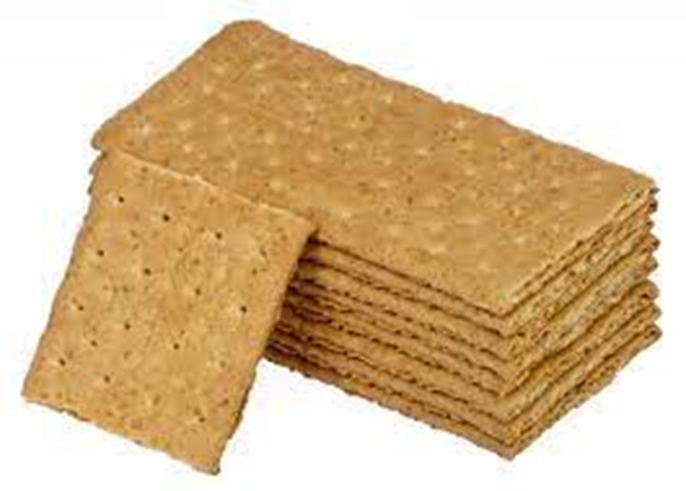
Graham crackers
Blueberry muffins
2% milk
The Correct Answer is B
Choice A reason: Ground beef is high in saturated fat and cholesterol, which can increase the risk of gallstones. A client with cholecystitis should avoid fatty, greasy, or fried foods; meats; and cheeses.
Choice B reason: Graham crackers are low in fat and high in fiber, which can help prevent gallstones. A client with cholecystitis should eat more foods that are high in fiber, such as fruits, vegetables, beans, and whole grains.
Choice C reason: Blueberry muffins may contain butter, eggs, or milk, which are sources of saturated fat and cholesterol. A client with cholecystitis should eat fewer refined carbohydrates and less sugar.
Choice D reason: 2% milk is a dairy product that contains saturated fat and cholesterol. A client with cholecystitis should eat healthy fats, like fish oil and olive oil, to help the gallbladder contract and empty on a regular basis.
Nursing Test Bank
Naxlex Comprehensive Predictor Exams
Related Questions
Correct Answer is C
Explanation
Choice A reason: The client should not replace salt with soy sauce, as soy sauce is not kosher. Soy sauce is made from fermented soybeans and wheat, which are not allowed in a kosher diet. The client should use kosher salt or other kosher seasonings instead.
Choice B reason: The client's primary vegetables should not be squash and corn, as they are not considered kosher. Squash and corn are classified as kitniyot, which are legumes, grains, seeds, and other plant products that are not allowed in a kosher diet. The client should eat more leafy greens, root vegetables, and fruits, which are kosher.
Choice C reason: The client can eat meat and nondairy margarine together, as they are both kosher. Nondairy margarine is made from vegetable oils, which are pareve, meaning they are neither meat nor dairy. The client should avoid eating meat and dairy products together, as they are not kosher.
Choice D reason: The client does not need to use their right hand when eating food, as this is not a requirement of a kosher diet. This is a practice of some Muslims, who believe that the right hand is for eating and the left hand is for cleaning. The client should follow the rules of kashrut, which are the Jewish laws of kosher food.
Correct Answer is B
Explanation
Choice A reason: Bran cereal is high in phosphorus, containing about 34% of the DV per cup (118 g) ( 1 ). Phosphorus is a mineral that helps build strong bones and teeth, but too much of it can cause problems for people with kidney disease. The kidneys normally filter out excess phosphorus from the blood, but when they are damaged, phosphorus can build up and cause bone loss, itching, and calcification of blood vessels and organs ( 2 ).
Choice B reason: A medium apple is low in phosphorus, containing only 3% of the DV per 182 g ( 3 ). Apples are also a good source of fiber, vitamin C, and antioxidants. They can help lower blood pressure, cholesterol, and blood sugar levels, which are beneficial for people with kidney disease ( 4 ).
Choice C reason: Scrambled eggs are moderate in phosphorus, containing about 12% of the DV per large egg (50 g) ( 5 ). Eggs are also high in protein, which can increase the workload of the kidneys and worsen kidney function. People with kidney disease should limit their protein intake to 0.8 g per kg of body weight per day, unless advised otherwise by their doctor ( 6 ).
Choice D reason: Ground turkey is high in phosphorus, containing about 16% of the DV per 3 oz (85 g) ( 7 ). Ground turkey is also high in protein, which can have the same negative effects as eggs on kidney function. People with kidney disease should choose lean meats and poultry, and eat them in moderation.
Whether you are a student looking to ace your exams or a practicing nurse seeking to enhance your expertise , our nursing education contents will empower you with the confidence and competence to make a difference in the lives of patients and become a respected leader in the healthcare field.
Visit Naxlex, invest in your future and unlock endless possibilities with our unparalleled nursing education contents today