
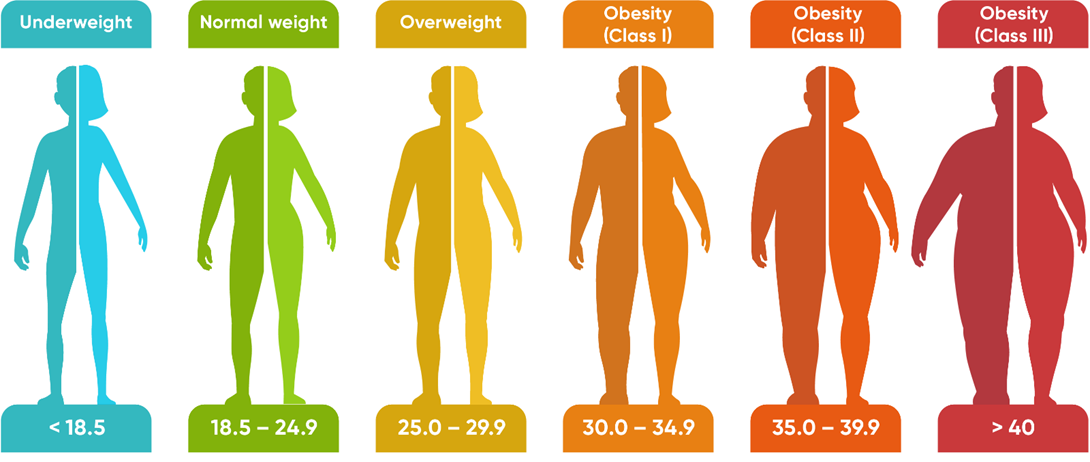
A nurse is assessing a client who is in the second trimester of pregnancy and has a BMI within the expected reference range. Which of the following assessment findings indicates that the client will gain weight within the expected reference range?
Weight gain of 0.45 kg (1 lb) per week
Intake of 200 extra calories per day
Intake of 100 extra calories per day
Weight gain of 0.91 kg (2 lb) per week
The Correct Answer is B
Choice A reas on: Weight gain of 0.45 kg (1 lb) per week is not within the expected reference range for a client who is in the second trimester of pregnancy and has a normal BMI. The recommended weight gain for this client is 0.35 to 0.5 kg (0.8 to 1 lb) per week.
Choice B reason: Intake of 200 extra calories per day is within the expected reference range for a client who is in the second trimester of pregnancy and has a normal BMI. The recommended caloric intake for this client is 2200 to 2900 calories per day, which is about 340 to 450 calories more than the pre-pregnancy intake.
Choice C reason: Intake of 100 extra calories per day is not within the expected reference range for a client who is in the second trimester of pregnancy and has a normal BMI. The recommended caloric intake for this client is 2200 to 2900 calories per day, which is about 340 to 450 calories more than the pre-pregnancy intake.
Choice D reason: Weight gain of 0.91 kg (2 lb) per week is not within the expected reference range for a client who is in the second trimester of pregnancy and has a normal BMI. The recommended weight gain for this client is 0.35 to 0.5 kg (0.8 to 1 lb) per week.
Nursing Test Bank
Naxlex Comprehensive Predictor Exams
Related Questions
Correct Answer is D
Explanation
Choice A reason: Green tea is not a beverage that enhances the absorption of nonheme iron, but rather inhibits it. Green tea contains tannins, which are compounds that bind to iron and prevent its absorption. The nurse should advise the client to avoid drinking green tea or other beverages that contain tannins, such as black tea, with meals that contain iron.
Choice B reason: Coffee is not a beverage that enhances the absorption of nonheme iron, but rather inhibits it. Coffee also contains tannins, as well as caffeine, which can interfere with iron absorption. The nurse should recommend the client to limit or avoid coffee intake, especially with iron-rich foods.
Choice C reason: Milk is not a beverage that enhances the absorption of nonheme iron, but rather inhibits it. Milk contains calcium, which can compete with iron for absorption. The nurse should suggest the client to consume milk and other dairy products separately from iron-containing foods.
Choice D reason: Orange juice is a beverage that enhances the absorption of nonheme iron, as it is rich in vitamin C. Vitamin C can increase the absorption of nonheme iron by converting it from the ferric form to the more absorbable ferrous form. The nurse should encourage the client to drink orange juice or other citrus juices with meals that contain iron.
Correct Answer is B
Explanation
Choice A reas on: Weight gain of 0.45 kg (1 lb) per week is not within the expected reference range for a client who is in the second trimester of pregnancy and has a normal BMI. The recommended weight gain for this client is 0.35 to 0.5 kg (0.8 to 1 lb) per week.
Choice B reason: Intake of 200 extra calories per day is within the expected reference range for a client who is in the second trimester of pregnancy and has a normal BMI. The recommended caloric intake for this client is 2200 to 2900 calories per day, which is about 340 to 450 calories more than the pre-pregnancy intake.
Choice C reason: Intake of 100 extra calories per day is not within the expected reference range for a client who is in the second trimester of pregnancy and has a normal BMI. The recommended caloric intake for this client is 2200 to 2900 calories per day, which is about 340 to 450 calories more than the pre-pregnancy intake.
Choice D reason: Weight gain of 0.91 kg (2 lb) per week is not within the expected reference range for a client who is in the second trimester of pregnancy and has a normal BMI. The recommended weight gain for this client is 0.35 to 0.5 kg (0.8 to 1 lb) per week.
Whether you are a student looking to ace your exams or a practicing nurse seeking to enhance your expertise , our nursing education contents will empower you with the confidence and competence to make a difference in the lives of patients and become a respected leader in the healthcare field.
Visit Naxlex, invest in your future and unlock endless possibilities with our unparalleled nursing education contents today