
A nurse is caring for a young adult client who is discontinuing birth control pills and wishes to start a family. Which of the following statements by the nurse is an appropriate dietary guideline?
Increase your caloric intake before pregnancy to stabilize your metabolism.
Increase your total intake of seafood to 20 ounces per week.
Decrease ascorbic acid in your diet.
Increase folic acid to 400 micrograms per day prior to getting pregnant.
The Correct Answer is D
Choice A reason: Increasing the caloric intake before pregnancy is not an appropriate dietary guideline, as it can lead to excessive weight gain and obesity, which can increase the risk of gestational diabetes, hypertension, and other complications. The nurse should advise the client to maintain a healthy weight and a balanced diet before and during pregnancy.
Choice B reason: Increasing the total intake of seafood to 20 ounces per week is not an appropriate dietary guideline, as it can expose the client to high levels of mercury, which can harm the developing fetus. The nurse should advise the client to limit the intake of seafood to 8 to 12 ounces per week, and avoid fish that are high in mercury, such as shark, swordfish, and king mackerel.
Choice C reason: Decreasing ascorbic acid in the diet is not an appropriate dietary guideline, as it can impair the immune system and the absorption of iron, which are both important for the health of the mother and the fetus. The nurse should advise the client to consume adequate amounts of ascorbic acid, which is found in citrus fruits, tomatoes, broccoli, and other foods.
Choice D reason: Increasing folic acid to 400 micrograms per day prior to getting pregnant is an appropriate dietary guideline, as it can prevent neural tube defects, such as spina bifida and anencephaly, in the fetus. The nurse should advise the client to take a daily prenatal vitamin that contains folic acid, and eat foods that are rich in folate, such as leafy greens, beans, and fortified cereals.
Nursing Test Bank
Naxlex Comprehensive Predictor Exams
Related Questions
Correct Answer is B
Explanation
A. Dentures should be stored in a container with water or a denture-cleaning solution to prevent drying and warping, not in a dry container.
B. Wrapping gloved fingers with gauze provides a better grip when removing dentures, reducing the risk of dropping them and ensuring a safe and hygienic removal process.
C. Flossing is not necessary for dentures, as they do not have natural tooth structures requiring interdental cleaning. Instead, dentures should be brushed with a soft-bristled brush.
D. A soft-bristled toothbrush, not a washcloth, should be used to clean dentures to effectively remove plaque and food debris.
Correct Answer is A
Explanation
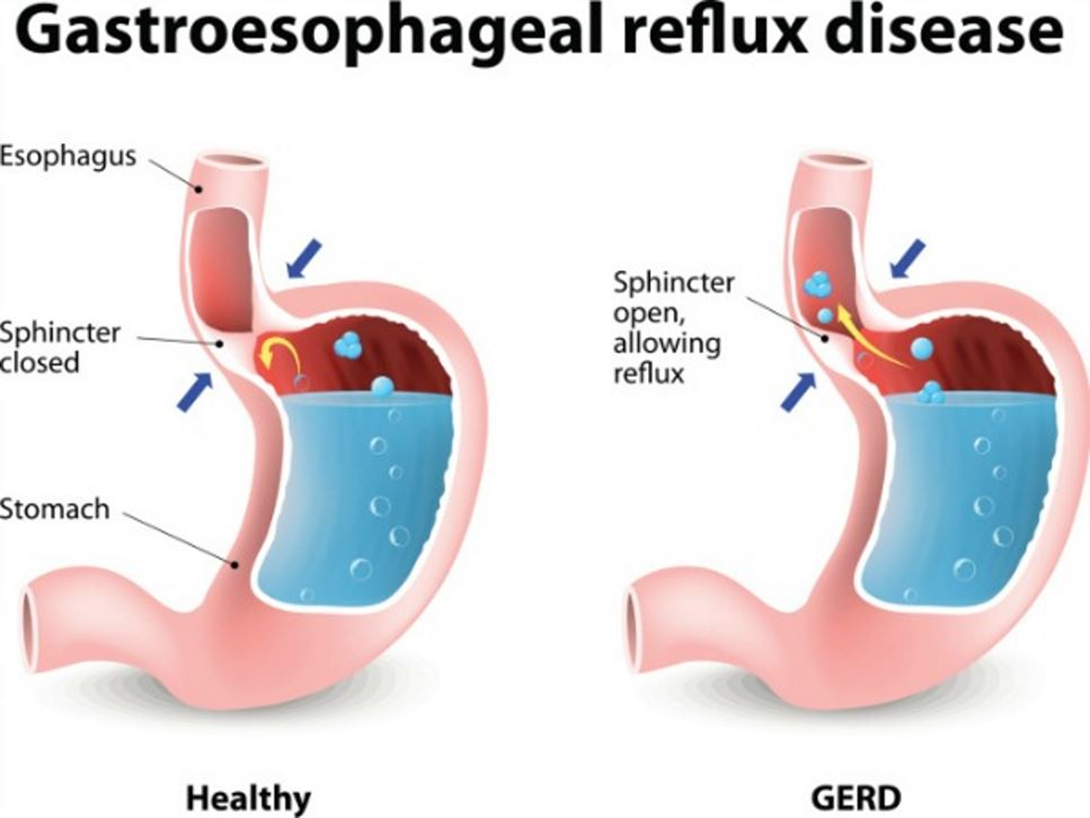
Choice A reason: Positioning the newborn at a 20-degree angle after feeding can help prevent the reflux of gastric contents into the esophagus. This position allows gravity to keep the food in the stomach and reduces the pressure on the lower esophageal sphincter. The nurse should instruct the parent to keep the newborn in this position for at least 30 minutes after each feeding.
Choice B reason: Diluting formula with 1 tablespoon of water is not recommended, as it can cause water intoxication, electrolyte imbalance, and malnutrition in the newborn. Water intoxication can lead to seizures, coma, and death. The nurse should advise the parent to follow the manufacturer's instructions for preparing the formula and not to add extra water.
Choice C reason: Placing the newborn in a side-lying position if vomiting is not a safe practice, as it can increase the risk of aspiration and sudden infant death syndrome (SIDS). Aspiration is when food or liquid enters the lungs and causes pneumonia or respiratory distress. SIDS is when a healthy baby dies suddenly and unexpectedly during sleep. The nurse should instruct the parent to place the newborn on the back for sleeping and to avoid soft bedding, pillows, and stuffed animals.
Choice D reason: Providing a small feeding just before bedtime is not a good idea, as it can worsen the gastroesophageal reflux and disrupt the newborn's sleep. The nurse should suggest the parent to feed the newborn smaller and more frequent meals throughout the day and to avoid feeding the newborn within 2 to 3 hours of bedtime.
Whether you are a student looking to ace your exams or a practicing nurse seeking to enhance your expertise , our nursing education contents will empower you with the confidence and competence to make a difference in the lives of patients and become a respected leader in the healthcare field.
Visit Naxlex, invest in your future and unlock endless possibilities with our unparalleled nursing education contents today