
A nurse is discussing treatments and interventions with a client who has chronic obstructive pulmonary disease (COPD). Which of the following would assist in preventing exacerbations?
Limiting fluids during meals
Influenza vaccination
Pursed-lip breathing
Using the tripod position
The Correct Answer is B
A. This option is not directly related to preventing exacerbations in COPD. While managing fluid intake may be important for individuals with certain cardiovascular or renal conditions, it is not a recognized strategy for preventing COPD exacerbations.
B. Influenza vaccination is highly recommended for individuals with COPD. Respiratory infections, such as influenza (flu), can trigger exacerbations in COPD. By receiving an annual influenza vaccine, the client can reduce the risk of developing influenza-related exacerbations and complications.
C. Pursed-lip breathing is a breathing technique that can help improve ventilation and decrease the work of breathing for individuals with COPD. It can be beneficial during exacerbations or episodes of dyspnea (shortness of breath). While it does not directly prevent exacerbations, it is a useful technique to manage symptoms and potentially reduce the severity of exacerbations.
D. The tripod position, where a person leans forward with hands supported on their knees or another surface, can help COPD patients during exacerbations by allowing better chest expansion and improving breathing mechanics. It can relieve dyspnea and help stabilize breathing. While it does not prevent exacerbations, it is a helpful technique during episodes of increased respiratory distress.
Nursing Test Bank
Naxlex Comprehensive Predictor Exams
Related Questions
Correct Answer is ["A","D"]
Explanation
A. Allowing the affected skin to be exposed to air can help in promoting healing and preventing further irritation. However, it's essential to ensure the environment is clean and that the area is protected from friction and contamination.
B. Ice packs should be avoided as they can cause further irritation to the radiated skin, and alcohol- based lotions can be drying and may exacerbate skin reactions.
C. Alcohol-based lotions can be drying and irritating to sensitive, radiation-treated skin. It's preferable to use gentle, non-alcohol-based moisturizers or barrier creams that are specifically designed for sensitive skin. These can help soothe the skin and prevent excessive dryness and irritation.
D. Aloe vera gel is known for its soothing and moisturizing properties, which can help alleviate discomfort and promote healing of radiation-damaged skin. It is gentle and generally well-tolerated by most individuals.
E. Betadine (povidone-iodine) can be too harsh for radiation-damaged skin and may further irritate the area. Gentle cleansing with mild soap and water is recommended to keep the area clean and minimize the risk of infection.
Correct Answer is C
Explanation
A. The soles of the feet are not typically assessed for cyanosis because they are not a reliable indicator of central cyanosis. Cyanosis is best evaluated in areas where mucous membranes are visible.
B. Similar to the soles of the feet, the palms of the hands are not a reliable indicator of central cyanosis. Cyanosis is not typically visible on the palms unless there are severe systemic circulation issues.
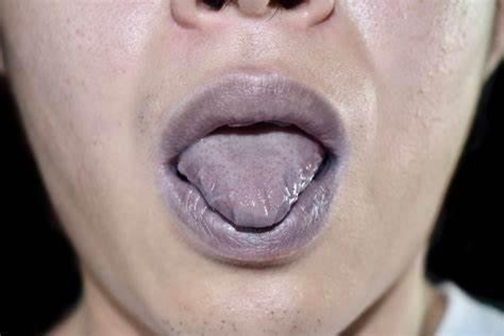
C. The oral mucosa (inside the mouth) is a reliable area to assess for central cyanosis. The nurse can inspect the lips, tongue, and buccal mucosa for a bluish discoloration, which indicates decreased arterial oxygen saturation.
D. The nail beds are also a reliable indicator of central cyanosis. The nurse can assess the color of the nail beds and look for bluish discoloration, which can be more apparent in darker-skinned individuals compared to the lips and oral mucosa.
Whether you are a student looking to ace your exams or a practicing nurse seeking to enhance your expertise , our nursing education contents will empower you with the confidence and competence to make a difference in the lives of patients and become a respected leader in the healthcare field.
Visit Naxlex, invest in your future and unlock endless possibilities with our unparalleled nursing education contents today