
A nurse is contributing to the plan of care for a client who has developed an infectious wound with foul-smelling drainage. Which of the following actions should the nurse include in the plan of care?
Discard soiled wound care supplies in a trash receptacle outside the client's room.
Administer antibiotic therapy before culturing the client's wound.
Instruct visitors to perform hand hygiene for 15 seconds after leaving the client's room.
Place the client in a private room with a private bathroom.
The Correct Answer is D
Choice A reason: Discarding soiled wound care supplies in a trash receptacle outside the client's room is not an appropriate action. The nurse should dispose of contaminated materials in a biohazard container inside the client's room to prevent the spread of infection.
Choice B reason: Administering antibiotic therapy before culturing the client's wound is not an appropriate action. The nurse should obtain a wound culture before starting antibiotic therapy to ensure accurate results and avoid altering the microorganisms present in the wound.
Choice C reason: Instructing visitors to perform hand hygiene for 15 seconds after leaving the client's room is not an appropriate action. The nurse should instruct visitors to perform hand hygiene for at least 20 seconds before and after entering the client's room to reduce the risk of transmitting infection.
Choice D reason: Placing the client in a private room with a private bathroom is an appropriate action. The nurse should implement contact precautions for a client who has an infectious wound with foul-smelling drainage to prevent cross-contamination and protect other clients and staff from exposure.
Nursing Test Bank
Naxlex Comprehensive Predictor Exams
Related Questions
Correct Answer is D
Explanation
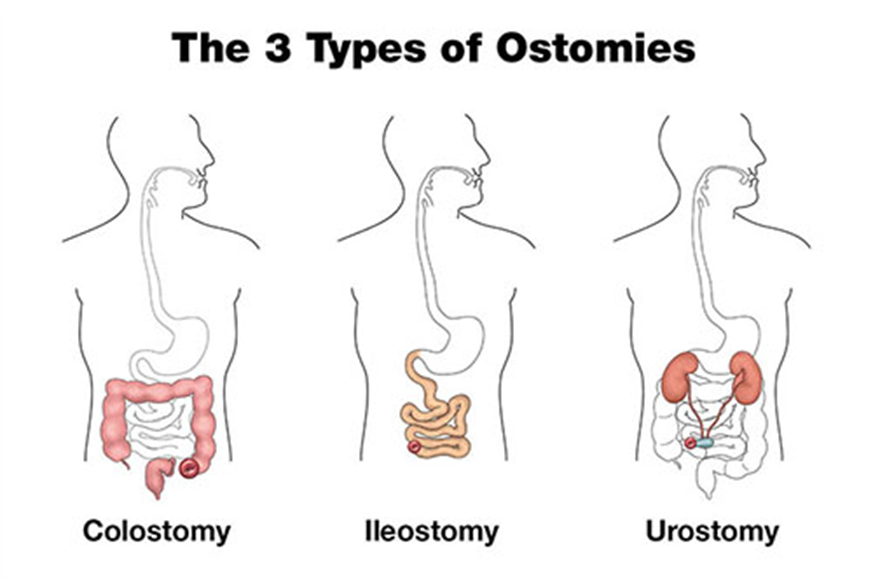
Choice A: This is incorrect because stool being a dark green color is not a finding that the nurse should report to the provider. Stool from an ileostomy can be dark green, brown, or yellow depending on the diet and fluid intake of the client.
Choice B: This is incorrect because stoma being a cherry red color is not a finding that the nurse should report to the provider. Stoma from an ileostomy should be moist and pink or red, indicating adequate blood supply and healing.
Choice C: This is incorrect because stool containing scant red blood is not a finding that the nurse should report to the provider. Stool from an ileostomy can contain small amounts of blood due to irritation or inflammation of the bowel mucosa.
Choice D: This is correct because stoma retracting into the abdominal wall is a finding that the nurse should report to the provider. Stoma from an ileostomy should protrude slightly above the skin level, allowing for proper drainage and appliance fitting. Stoma retraction can indicate ischemia, obstruction, or peritonitis.
Correct Answer is A
Explanation
Choice A reason: Oxybutynin is an anticholinergic drug that relaxes the muscles of the bladder and reduces spasms, urgency, and frequency of urination. It is used to treat overactive bladder and urinary incontinence.
Choice B reason: Oxybutynin does not increase tissue perfusion in the lungs, as it has no effect on the respiratory system. It can actually cause dry mouth, nasal congestion, and blurred vision as side effects.
Choice C reason: Oxybutynin does not increase venous return to the heart, as it has no effect on the cardiovascular system. It can actually cause tachycardia, palpitations, and hypertension as side effects.
Choice D reason: Oxybutynin does not relax the muscles of the colon, as it has no effect on the gastrointestinal system. It can actually cause constipation, nausea, and abdominal pain as side effects.


Whether you are a student looking to ace your exams or a practicing nurse seeking to enhance your expertise , our nursing education contents will empower you with the confidence and competence to make a difference in the lives of patients and become a respected leader in the healthcare field.
Visit Naxlex, invest in your future and unlock endless possibilities with our unparalleled nursing education contents today