
A nurse is considering placing wrist restraints on a client who has cognitive deficits and has pulled out their IV catheter. Before using wrist restraints, which of the following actions must the nurse take first?
Obtain a prescription for restraints from the provider.
Document the indications for using wrist restraints.
Explain the procedure to the client and their family.
Attempt less restrictive alternatives.
The Correct Answer is D
A. While a prescription may be necessary, attempting less restrictive alternatives should be the first action.
B. Documentation is important but should not precede attempting less restrictive alternatives.
C. Education about the use of restraints is important but should follow attempts at less restrictive alternatives.
D. The nurse should exhaust all possible alternatives to restraints before considering their use, in line with the principle of least restrictive intervention.
Nursing Test Bank
Naxlex Comprehensive Predictor Exams
Related Questions
Correct Answer is B
Explanation
A. Social workers typically assist with psychosocial issues, resource management, and support services. While important, they may not have the specialized skills required for teaching eating utensil use.
B. Occupational therapists specialize in helping individuals regain the ability to perform activities of daily living, including eating, after injuries such as traumatic brain injury.
C. Speech-language pathologists focus on communication and swallowing disorders.
While they may be involved in therapy for clients with traumatic brain injury, their primary focus is not on teaching utensil use.
D. Physical therapists focus on mobility, strength, and function. While they may assist with overall rehabilitation after a traumatic brain injury, they are not specifically trained in teaching eating skills.
Correct Answer is B
Explanation
A. While decreased appetite may be concerning, it is not typically considered a priority over potential complications related to immobility.
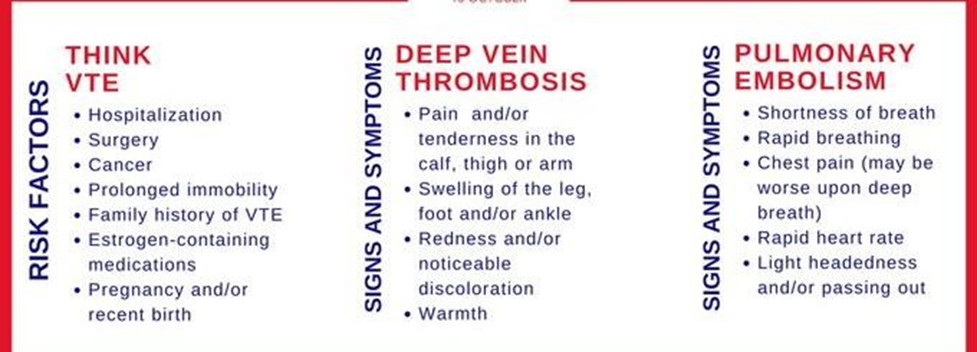
B. Left lower extremity tenderness could indicate deep vein thrombosis (DVT), a serious complication of prolonged bed rest that requires immediate attention to prevent pulmonary embolism.
C. Increased heart rate during physical activity may be expected after a period of bed rest and can be addressed with gradual reconditioning.
D. Musculoskeletal weakness is a common consequence of immobility and would be addressed as part of the client's rehabilitation but is not an immediate priority compared to potential complications like DVT.
Whether you are a student looking to ace your exams or a practicing nurse seeking to enhance your expertise , our nursing education contents will empower you with the confidence and competence to make a difference in the lives of patients and become a respected leader in the healthcare field.
Visit Naxlex, invest in your future and unlock endless possibilities with our unparalleled nursing education contents today