
A nurse is caring for an infant who receives intermittent enteral feedings through a gastrostomy tube.
Which of the following actions should the nurse take when administering a feeding? (Select all that apply.).
Offer the infant a pacifier during feedings.
Check for residual volumes by aspirating stomach contents.
Place the infant in supine position.
Instill the formula over a period of 30 to 45 min.
Heat the formula to 39° C (102° F) prior to administration.
Correct Answer : A,B,D
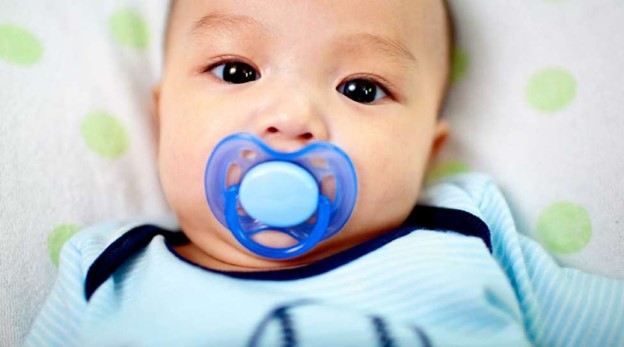
A. Offer the infant a pacifier during feedings.
B. Check for residual volumes by aspirating stomach contents.
D. Instill the formula over a period of 30 to 45 min.
Offering the infant a pacifier during feedings can help promote non-nutritive sucking and provide comfort to the infant.
Checking for residual volumes by aspirating stomach contents can help monitor gastric emptying and tolerance to enteral feeding.
Instilling the formula over a period of 30 to 45 min can help prevent overfeeding and reduce the risk of aspiration.
Choice C is wrong because placing the infant in a supine position during feedings increases the risk of aspiration.
The infant should be placed in an upright or semi-upright position during feedings.
Choice E is wrong because heating the formula to 39° C (102° F) prior to administration is not necessary and may even be harmful if the formula is overheated.
Nursing Test Bank
Naxlex Comprehensive Predictor Exams
Related Questions
Correct Answer is B
Explanation
A relaxed facial expression can indicate that the medication is having a therapeutic effect and that the infant is experiencing pain relief.
Choice A is wrong because bradycardia is not an indication that the medication is having a therapeutic effect.
Choice C is wrong because increased blood pressure is not an indication that the medication is having a therapeutic effect.
Choice D is wrong because limb withdrawal is not an indication that the medication is having a therapeutic effect.
Correct Answer is C
Explanation
During a seizure, it is important to clear the area around the person of anything hard or sharp to prevent injury.
Choice A is wrong because Minimize movement of the limbs, is not a recommended action during a seizure as it is important not to hold the person down or try to stop their movements.
Choice B is wrong because Insert a tongue blade between the teeth, is not a recommended action during a seizure as it is important not to put anything in the person’s mouth.
Choice D is wrong because Place the child in a prone position, is not a recommended action during a seizure as it is important to turn the person gently onto one side to help them breathe.
Whether you are a student looking to ace your exams or a practicing nurse seeking to enhance your expertise , our nursing education contents will empower you with the confidence and competence to make a difference in the lives of patients and become a respected leader in the healthcare field.
Visit Naxlex, invest in your future and unlock endless possibilities with our unparalleled nursing education contents today