
A nurse is caring for a newborn immediately following birth. For which of the following reasons should the nurse delay the instillation of antibiotic ophthalmic ointment?
To facilitate bonding between the newborn and parent
To allow manifestations of infection to be identified
The newborn weighs less than 2.5 kg (5.5 lb)
The newborn was delivered via cesarean birth
The Correct Answer is A
A. To facilitate bonding between the newborn and parent. This is correct. Antibiotic ophthalmic ointment, typically used to prevent neonatal conjunctivitis, can temporarily blur the newborn's vision. Delaying its application for a short period allows the newborn to maintain eye contact with the parent during the critical bonding period immediately following birth.
B. To allow manifestations of infection to be identified. This is incorrect. The purpose of the antibiotic ointment is to prevent neonatal conjunctivitis caused by gonorrhea or chlamydia, which may not present with immediate symptoms. Delaying its application to observe for signs of infection would not be appropriate.
C. The newborn's weight is not a determining factor for delaying the instillation of antibiotic ophthalmic ointment.
D. The mode of delivery, whether vaginal or cesarean, does not affect the timing of antibiotic ophthalmic ointment instillation.
Nursing Test Bank
Naxlex Comprehensive Predictor Exams
Related Questions
Correct Answer is D
Explanation
Rationale:
A. Raw carrots: While carrots are nutritious, they are not significant sources of vitamin B12, which is typically lacking in a vegan diet.
B. Brown rice: Brown rice is a whole grain and a good source of certain B vitamins like niacin and thiamine, but it does not contain vitamin B12, which is important for those following a vegan diet.
C. Fresh citrus fruits: Citrus fruits are rich in vitamin C but do not provide significant amounts of vitamin B12.
D. Fortified soy milk:
Correct answer. Fortified soy milk is often enriched with vitamin B12, making it a suitable choice for individuals following a vegan diet who may struggle to obtain adequate amounts of this vitamin from plant-based sources.
Correct Answer is A
Explanation
Rationale:
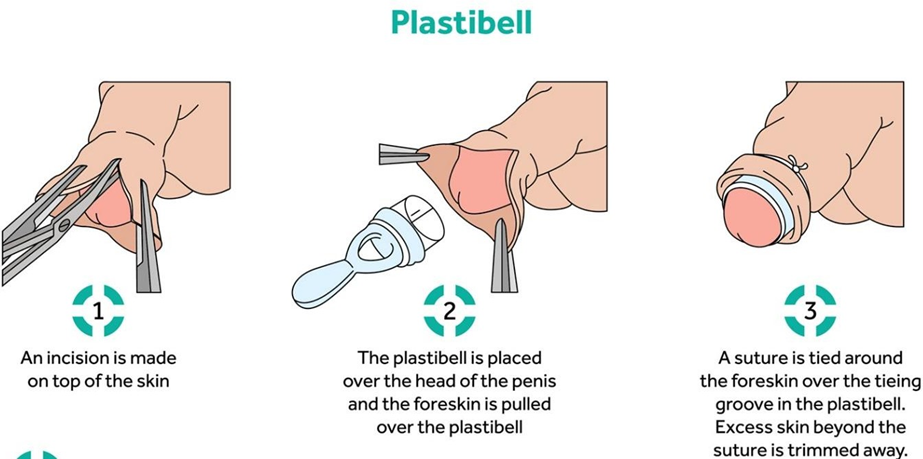
A. When teaching parents about the Plastibell circumcision technique, it's important to explain that a yellow exudate (sometimes referred to as granulation tissue) will typically form at the surgical site within 24 hours after the procedure. This is a normal part of the healing process and should not be a cause for concern.
B. The end of the penis will likely get red, then develop a yellow discharge, and finally scab over, “like a skinned knee.” This is the normal healing process and will progress over the 7-14 days that the Plastibell Ring stays on. The correct size Plastibell Ring is secured with a string and the excess skin trimmed. The skin that overlaps the ring will turn dark “like the umbilical cord” before the ring falls off at 7-14 days.
C. The Plastibell is typically left in place for several days, not removed 4 hours after the procedure.
D. Ensuring the newborn's diaper is snug may help keep the Plastibell in place, but it is not the most crucial aspect of care related to the circumcision technique.
Whether you are a student looking to ace your exams or a practicing nurse seeking to enhance your expertise , our nursing education contents will empower you with the confidence and competence to make a difference in the lives of patients and become a respected leader in the healthcare field.
Visit Naxlex, invest in your future and unlock endless possibilities with our unparalleled nursing education contents today