
A nurse is caring for a client who is receiving mechanical ventilation and has an ideal weight of 60 kg. The nurse should expect the tidal volume to be set at which of the following?
800 mL
480 mL
950 mL
300 mL
The Correct Answer is B
This is because the recommended tidal volume for mechanical ventilation is 6 to 8 mL/kg of ideal body weight. Therefore, for a client who has an ideal weight of 60 kg, the tidal volume should be between 360 and 480 mL. A tidal volume that is too high or too low can cause lung injury or hypoventilation.
Nursing Test Bank
Naxlex Comprehensive Predictor Exams
Related Questions
Correct Answer is C
Explanation
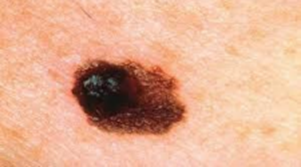
Malignant melanoma is a rare but aggressive type of skin cancer that originates from melanocytes, the cells that produce pigment in the skin. It can appear as a new or changing mole that has an irregular shape, uneven color, large size, or bleeding tendency. It may also be purplish in color due to vascular invasion or hemorrhage within the lesion.
Correct Answer is C
Explanation
This is because talking with the client can help reduce anxiety, pain, and isolation, as well as build trust and rapport between the nurse and the client. Talking with the client can also provide an opportunity for education, feedback, and encouragement.
Whether you are a student looking to ace your exams or a practicing nurse seeking to enhance your expertise , our nursing education contents will empower you with the confidence and competence to make a difference in the lives of patients and become a respected leader in the healthcare field.
Visit Naxlex, invest in your future and unlock endless possibilities with our unparalleled nursing education contents today