
A nurse is caring for a client who is postoperative following a complete thyroidectomy. Which of the following findings is the priority for the nurse to report to the provider?
Muscle twitching
Client report of nausea
Serosanguineous drainage
Client report of incisional pain
The Correct Answer is A
Choice A reason : Muscle twitching can be indicative of hypocalcemia, a common and serious complication following a complete thyroidectomy due to potential damage or removal of the parathyroid glands. Hypocalcemia requires immediate intervention to prevent more severe symptoms such as tetany or cardiac complications.
Choice B reason : While nausea is a common postoperative symptom, it is not typically as urgent as signs of hypocalcemia. However, persistent nausea should still be addressed as it can affect the client's comfort and nutritional intake.
Choice C reason : Serosanguineous drainage is expected to some extent after surgery, but if it is excessive or changes in character, it may indicate hemorrhage or infection, which would then become a priority.
Choice D reason : Incisional pain is also expected postoperatively. While pain management is important for recovery, it is not as immediately concerning as potential hypocalcemia unless the pain is severe or uncontrolled, suggesting complications.
Nursing Test Bank
Naxlex Comprehensive Predictor Exams
Related Questions
Correct Answer is C
Explanation
Choice A: Rinse your mouth with hydrogen peroxide
Rinsing the mouth with hydrogen peroxide is not recommended for clients with mucositis. Hydrogen peroxide can be too harsh and may cause further irritation to the already sensitive mucosal lining. It is generally advised to use mild rinses such as saline or baking soda solutions.
Choice B: Brush your teeth for 60 seconds twice daily
While brushing is important, it should be done gently with a soft-bristled toothbrush, and the timing should be based on patient tolerance rather than a strict 60-second rule.
Choice C: Floss your teeth gently following each meal
Gentle flossing helps remove food particles and bacteria, reducing the risk of infection. However, if bleeding occurs, the patient should stop and consult a healthcare provider.
Choice D: Wear your dentures only during meals
Wearing dentures only during meals might be advisable for some clients with mucositis, as wearing them all day could irritate the inflamed oral tissues. However, it’s important for the dentures to fit properly and for the client to have periods of rest without the dentures to allow the oral tissues to heal.
Correct Answer is D
Explanation
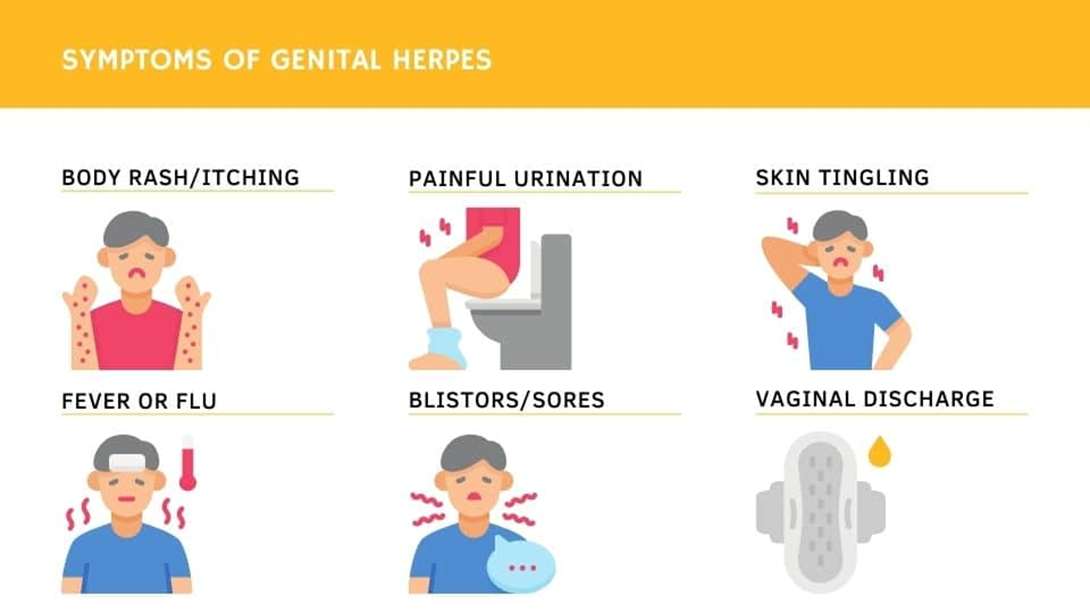
Choice A reason: Applying antibiotic ointment to the lesions is not recommended for the treatment of genital herpes, which is caused by a virus, not bacteria. Antiviral medications are the appropriate treatment for managing herpes outbreaks.
Choice B reason: Natural skin condoms are not effective in preventing the transmission of genital herpes because the virus can pass through the natural membrane. The use of latex or polyurethane condoms is recommended as they are more effective in reducing the risk of transmission.
Choice C reason: Expecting lesions to resolve in 6 weeks may not be accurate as the duration of a herpes outbreak can vary. Most herpes lesions tend to resolve within 2 to 4 weeks. However, the virus remains in the body and can cause recurrent outbreaks.
Choice D reason: The duration of medication for genital herpes depends on whether the treatment is for an initial outbreak, chronic suppression, or episodic therapy. For an initial outbreak, antiviral medication is typically taken for 7 to 10 days. For chronic suppression, medication might be taken daily for an extended period to prevent or reduce the frequency of outbreaks.
Whether you are a student looking to ace your exams or a practicing nurse seeking to enhance your expertise , our nursing education contents will empower you with the confidence and competence to make a difference in the lives of patients and become a respected leader in the healthcare field.
Visit Naxlex, invest in your future and unlock endless possibilities with our unparalleled nursing education contents today