
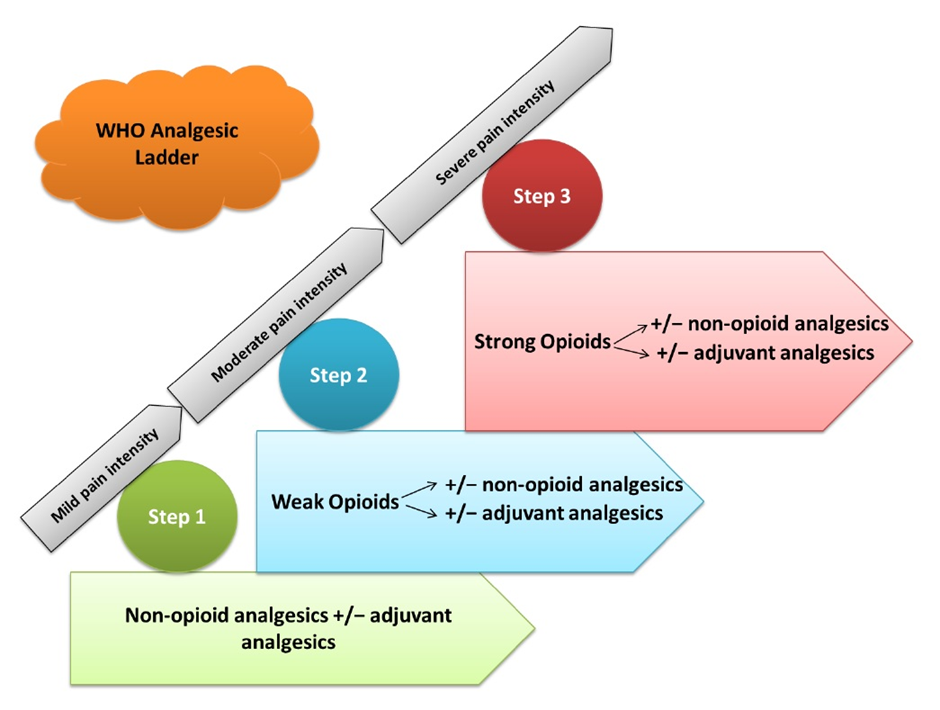
A nurse is caring for a client who has pancreatic cancer and reports severe pain. Which of the following medications should the nurse expect to administer?
Meloxicam
Aspirin
Hydromorphone
Caldofor
The Correct Answer is C
Choice A Reason:
Meloxicam is incorrect. Meloxicam is a nonsteroidal anti-inflammatory drug (NSAID) used primarily for managing mild to moderate pain and inflammation. While it can provide relief for mild pain, it may not be potent enough to effectively manage severe pain, especially in cases of advanced cancer-related pain, where stronger analgesics are often necessary.
Choice B Reason:
Aspirin is incorrect. Aspirin, like meloxicam, is an NSAID used for mild to moderate pain relief and has anti-inflammatory properties. While it can be effective for certain types of pain, it's generally not the first choice for severe pain management, particularly in cases of advanced cancer-related pain where stronger opioids are typically required for adequate relief.
Choice C Reason:
Hydromorphone is correct. Hydromorphone is a potent opioid analgesic used to manage severe pain, especially in cancer-related pain or post-operative settings. In cases of severe pain, opioids like hydromorphone are commonly utilized due to their effectiveness in providing relief.
Choice D Reason:
Caldofor is incorrect. The term "Caldofor" does not appear to correspond to any recognized medication commonly used for pain relief. It's possible that this might be a misspelling or an unfamiliar or less common drug name. Without a specific drug identification, it's challenging to assess its suitability or effectiveness for managing severe pain associated with pancreatic cancer.
Nursing Test Bank
Naxlex Comprehensive Predictor Exams
Related Questions
Correct Answer is A
Explanation
Choice A Reason:
The medication vial sat at room temperature for 2 hr before it was administered is correct. Medications like filgrastim typically have specific storage requirements, including temperature control. Allowing the medication vial to sit at room temperature for an extended period may compromise its stability or effectiveness, leading to potential concerns regarding medication safety. Reporting incidents related to improper medication storage is essential to ensure patient safety and prevent similar occurrences in the future.
Choice B Reason:
The client's absolute neutrophil count was 2,500/mm3 before the medication was administered. Is incorrect. A normal or adequate absolute neutrophil count (ANC) of 2,500/mm3 before administering filgrastim is not an adverse event that requires an incident report.
Choice C Reason:
The nurse flushed the client's IV line with dextrose 5% in water before and after the medication was administered. Is incorrect. Flushing the IV line with dextrose 5% in water is a standard practice and not considered an adverse event or reason for filing an incident report.
Choice D Reason:
The client had chemotherapy 12 hr before the medication was administered. Is incorrect. The timing of previous chemotherapy administration, in this case, doesn't inherently suggest an adverse event requiring an incident report.
Correct Answer is B
Explanation
Choice A Reason:
Remove duplicate medications of different dosages from the reconciliation is incorrect. Removing duplicate medications with different dosages from the reconciliation is indeed essential. However, the primary focus during transfer is to compare the current medication list with the new regimen to avoid omissions or discrepancies in the transition process.
Choice B Reason:
Compare the current list of medications to medications the client will receive after transform is correct. Comparing the current list of medications, the client is taking to the medications they are expected to receive after transfer is crucial for ensuring a seamless transition of care. This process helps identify discrepancies, potential interactions, or changes in the medication regimen between settings, ensuring the continuity and accuracy of medication administration.
Choice C Reason:
Omit over-the-counter medications from the at-home medication list is incorrect. Over-the-counter medications should ideally be included in the medication reconciliation process to provide a comprehensive overview of all medications the client is taking, including potential interactions with prescribed medications.
Choice D Reason:
Include medications the client received in the acute setting but will no longer need after transfer is incorrect. The reconciliation process should aim to update the medication list to reflect the client's current and future medication needs accurately. Including medications, the client received in the acute setting but won't need after transfer might introduce unnecessary medications into the new regimen. These should be communicated but not included in the ongoing medication list.
Whether you are a student looking to ace your exams or a practicing nurse seeking to enhance your expertise , our nursing education contents will empower you with the confidence and competence to make a difference in the lives of patients and become a respected leader in the healthcare field.
Visit Naxlex, invest in your future and unlock endless possibilities with our unparalleled nursing education contents today