
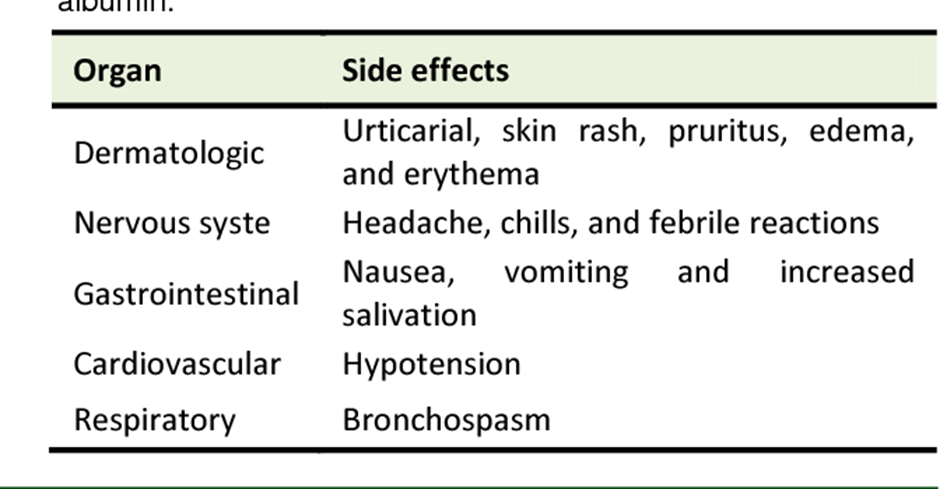
A nurse is caring for a client who is in shock and is receiving an infusion of albumin. Which of the following findings should the nurse expect?
Oxygen saturation 96%
Decrease in protein
Increase in BP
PaCO2 30 mm Hg
The Correct Answer is C
Choice A Reason:
Oxygen saturation within this range is generally considered adequate and might not directly correlate with the administration of albumin.
Choice B Reason:
Decrease in protein is incorrect. Albumin infusions are meant to supplement protein levels in the blood, so a decrease in protein wouldn't be an expected finding.
Choice C Reason:
Increase in blood pressure is correct. Albumin infusions can potentially help increase blood volume, leading to an increase in blood pressure. In shock, where there's a significant decrease in blood pressure due to reduced circulating volume, administering albumin or other intravenous fluids can help restore blood volume and consequently raise blood pressure towards a more stable range.
Choice D Reason:
PaCO2 of 30 mm Hg is incorrect. PaCO2 levels are related to respiratory function and the amount of carbon dioxide in the blood. While shock can impact various physiological parameters, a PaCO2 level of 30 mm Hg alone might not be directly tied to the administration of albumin in shock.
Nursing Test Bank
Naxlex Comprehensive Predictor Exams
Related Questions
Correct Answer is C
Explanation
Choice A Reason:
Increase in serum glucose is incorrect. Desmopressin, which is a synthetic form of vasopressin, primarily affects water reabsorption in the kidneys and doesn't directly impact glucose levels. Therefore, an increase in serum glucose wouldn't be an expected therapeutic response to desmopressin for diabetes insipidus.
Choice B Reason:
Decrease in blood pressure is incorrect. Desmopressin is primarily used for its antidiuretic effect, concentrating urine by increasing water reabsorption in the kidneys. It typically doesn't have a significant impact on blood pressure. Therefore, a decrease in blood pressure wouldn't typically be an anticipated therapeutic response to desmopressin in this context.
Choice C Reason:
Decrease in urine output is correct. Desmopressin is a synthetic form of vasopressin (antidiuretic hormone) used to treat diabetes insipidus, a condition characterized by excessive urination and extreme thirst due to the inability to concentrate urine. The primary goal of desmopressin is to reduce urine output by increasing water reabsorption in the kidneys, thereby decreasing excessive urination. Therefore, a decrease in urine output would indicate a therapeutic response to the medication in this context.
Choice D Reason:
Increase in WBC count is incorrect. Desmopressin's action is centered on affecting kidney function by regulating water reabsorption and does not involve changes in white blood cell count. Consequently, an increase in WBC count wouldn't be an expected therapeutic response to desmopressin for diabetes insipidus.
Correct Answer is B
Explanation
Choice A Reason:
Dry cough is incorrect. While cough can be a side effect of amphotericin B, it's not a hallmark sign of an acute infusion reaction.
Choice B Reason:
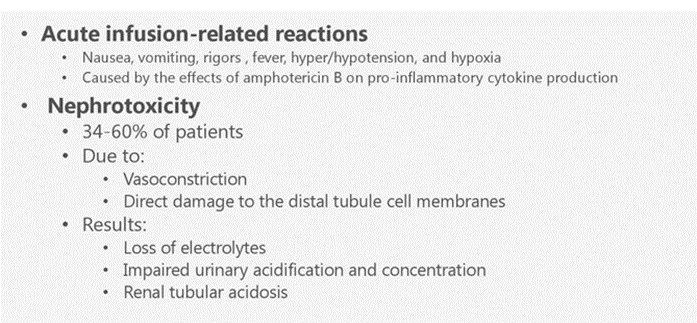
Fever is correct. Acute infusion reactions to amphotericin B can manifest in various ways, and fever is a common sign indicating an immediate adverse reaction during the infusion. Other potential signs of an acute infusion reaction may include chills, rigors, hypotension, flushing, headache, or nausea.
Choice C Reason:
Pedal edema is incorrect. Swelling of the feet or pedal edema is not a typical manifestation of an acute infusion reaction to amphotericin B.
Choice D Reason:
Hyperglycemia is incorrect. Increased blood glucose levels (hyperglycemia) are not commonly associated with an acute infusion reaction to amphotericin B. However, amphotericin B may have effects on electrolytes and kidney function that could indirectly impact glucose levels.
Whether you are a student looking to ace your exams or a practicing nurse seeking to enhance your expertise , our nursing education contents will empower you with the confidence and competence to make a difference in the lives of patients and become a respected leader in the healthcare field.
Visit Naxlex, invest in your future and unlock endless possibilities with our unparalleled nursing education contents today