
A nurse is teaching a client who has pernicious anemia to self-administer nasal cyanocobalamin. Which of the following information should the nurse include in the teaching?
"Lie down for 1 hour after administering the medication."
"Plan to self-administer this medication for the next 6 months."
"Administer the medication into one nostril once per week."
"Use a nasal decongestant 15 minutes before the medication if you have a stuffy nose."
The Correct Answer is C
Choice A Reason:
There's no requirement to lie down for an hour after administering nasal cyanocobalamin.
Choice B Reason:
The duration of treatment might vary depending on the healthcare provider's instructions and the client's response, so stating a specific duration of 6 months may not be accurate.
Choice C Reason:
"Administer the medication into one nostril once per week. “Nasal cyanocobalamin is typically used weekly for the treatment of pernicious anemia. It's administered into one nostril as directed by a healthcare provider. This method allows for the absorption of vitamin B12 through the nasal mucosa.
Choice D Reason:
Using a nasal decongestant before administering the medication is not typically part of the recommended administration protocol for nasal cyanocobalamin.

Nursing Test Bank
Naxlex Comprehensive Predictor Exams
Related Questions
Correct Answer is B
Explanation
Choice A Reason:
Sodium 141 mEq/L is incorrect. This value is within the normal range (usually around 135-145 mEq/L).
Choice B Reason:
Potassium 2.5 mEq/ is correct. Furosemide, a loop diuretic, can lead to potassium loss through increased urine output. If a client already has a low potassium level (hypokalemia), administering furosemide can further decrease potassium levels, potentially causing or worsening hypokalemia. Hypokalemia can lead to various complications, including cardiac arrhythmias.
Choice C Reason:
WBC count 8,000/mm3 is incorrect. This value falls within the normal range for white blood cell count.
Choice D Reason:
INR 1.0: An INR of 1.0 is within the normal range for a person not on anticoagulation therapy.

Correct Answer is A
Explanation
Choice A Reason:
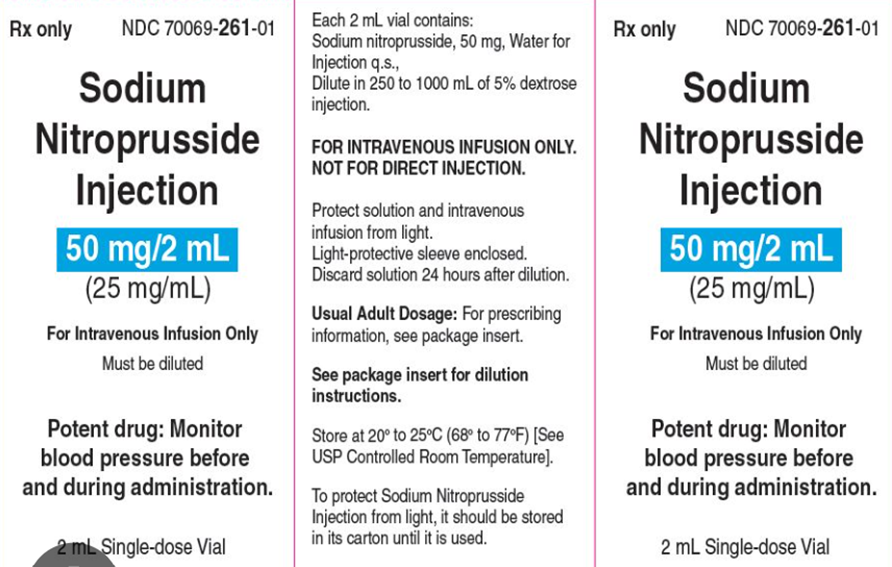
Blood pressure is correct. Nitroprusside is a medication used to lower blood pressure in conditions such as hypertensive emergencies. It's titrated based on blood pressure readings, with the goal of achieving the desired target blood pressure range as directed by the healthcare provider. The nurse would monitor the client's blood pressure closely and adjust the infusion rate accordingly to achieve the prescribed blood pressure parameters.
Choice B Reason:
Stroke volume is incorrect. While stroke volume (the amount of blood ejected by the heart with each contraction) is important in assessing heart function, it's not directly used to titrate a nitroprusside infusion. Nitroprusside primarily acts as a vasodilator to reduce blood pressure, rather than affecting stroke volume.
Choice C Reason:
Cardiac output is incorrect. Cardiac output (the volume of blood pumped by the heart per minute) is also a crucial measure of heart function, but adjusting a nitroprusside infusion based on cardiac output is not a common practice. Nitroprusside's primary action is to dilate blood vessels, impacting blood pressure regulation more directly than cardiac output.
Choice D Reason:
Urine output is incorrect. While urine output is an important indicator of renal function and overall fluid balance, it is not typically used as the main parameter for titrating nitroprusside. Nitroprusside's primary effect is on vasodilation and blood pressure control rather than directly impacting urine output.
Whether you are a student looking to ace your exams or a practicing nurse seeking to enhance your expertise , our nursing education contents will empower you with the confidence and competence to make a difference in the lives of patients and become a respected leader in the healthcare field.
Visit Naxlex, invest in your future and unlock endless possibilities with our unparalleled nursing education contents today