
A nurse is caring for a client who has neutropenia due to HIV. Which of the following precautions should the nurse take while caring for this client?
Wear an N95 respirator.
Insert an indwelling urinary catheter to monitor urinary output.
Monitor the client's vital signs every 8 hr.
Use a dedicated stethoscope.
The Correct Answer is D
A. Wearing an N95 respirator is not necessary when caring for a client with neutropenia due to HIV unless the client has respiratory symptoms or is undergoing procedures that generate aerosols.
B. Inserting an indwelling urinary catheter should be avoided unless necessary, as it can
introduce the risk of infection, which is particularly concerning in clients with neutropenia.
C. Monitoring vital signs every 8 hours may not provide sufficient frequency for detecting changes in a client with neutropenia who may be at risk for rapid deterioration.
D. Using a dedicated stethoscope helps prevent the spread of infection to other clients by avoiding cross-contamination, which is especially important when caring for a client with neutropenia who is at increased risk of infection.
Nursing Test Bank
Naxlex Comprehensive Predictor Exams
Related Questions
Correct Answer is A
Explanation
A.
A. The priority action is to remove the client from the source of carbon monoxide poisoning, which in this case is the kerosene space heater. Taking the client outdoors will provide fresh air and reduce exposure to carbon monoxide.
B. Wrapping blankets around the client may further exacerbate the symptoms by trapping the carbon monoxide, worsening the client's condition.
C. While loosening the client's clothing may improve ventilation, it is not as effective as removing the client from the source of exposure.
D. Opening the client's windows may help improve ventilation, but it is not as effective as taking the client outdoors to reduce exposure to carbon monoxide.
Correct Answer is B
Explanation
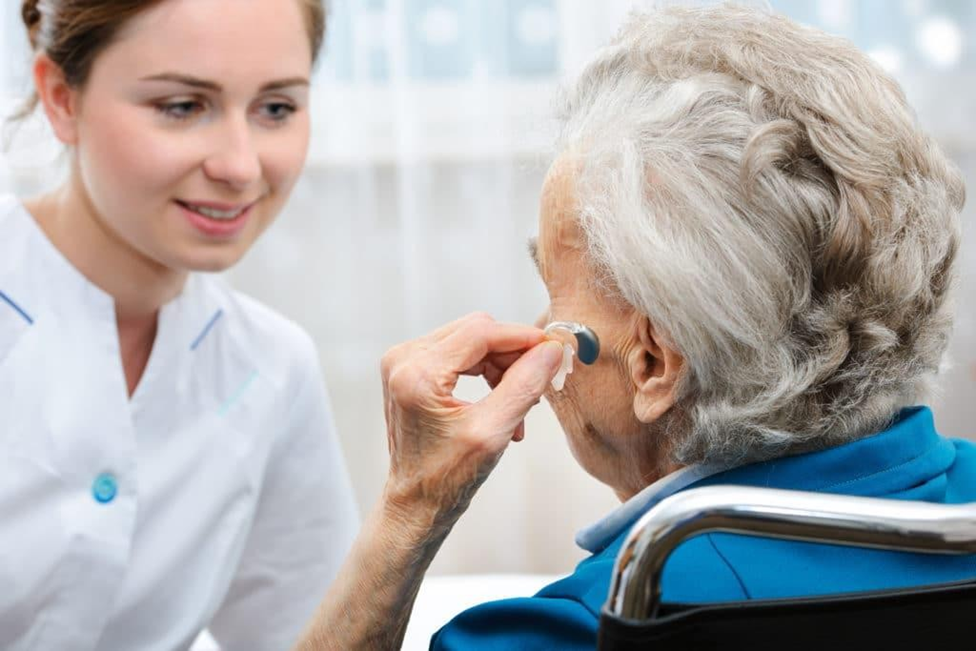
A. Speaking directly into one of the client's ears may be ineffective if the client has bilateral hearing impairment or if the hearing impairment is not related to the ear anatomy.
B. Rephrasing sentences the client does not understand can help clarify communication and ensure the client receives necessary information.
C. Dropping voice volume at the end of sentences can make it difficult for the client to hear the entire message, especially if the client relies on lip-reading or amplification devices.
D. Exaggerating lip movements may not be helpful for all clients with hearing impairment and may not accurately convey the intended message. Instead, clear and natural lip movements should be used along with other communication strategies such as rephrasing sentences and facing the client directly.
Whether you are a student looking to ace your exams or a practicing nurse seeking to enhance your expertise , our nursing education contents will empower you with the confidence and competence to make a difference in the lives of patients and become a respected leader in the healthcare field.
Visit Naxlex, invest in your future and unlock endless possibilities with our unparalleled nursing education contents today