
A nurse is caring for a client who has narcissistic personality disorder. Which of the following treatments should the nurse recommend?
Assertiveness training
Schema-focused therapy
Response prevention therapy
Cognitive behavioral therapy
The Correct Answer is B
Choice A reason:
The statement "Assertiveness training" is not typically recommended as a primary treatment for narcissistic personality disorder (NPD). While assertiveness training can help individuals develop better communication skills and self-confidence, it does not address the core issues of NPD, such as grandiosity, lack of empathy, and need for admiration.
Choice B reason:
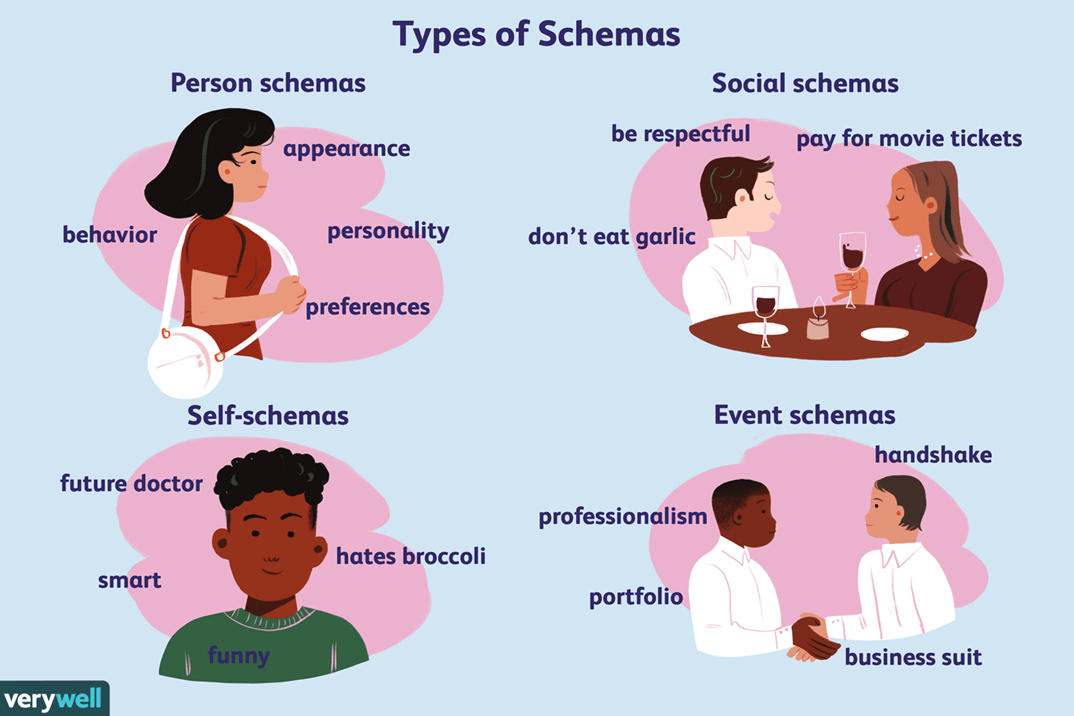
The statement "Schema-focused therapy" is the correct response. Schema-focused therapy is a type of cognitive therapy that helps individuals identify and change deeply ingrained patterns or themes (schemas) that are dysfunctional. This therapy is particularly effective for personality disorders, including NPD, as it addresses the underlying cognitive and emotional patterns that contribute to the disorder.
Choice C reason:
The statement "Response prevention therapy" is not appropriate for NPD. Response prevention therapy is more commonly used for conditions like obsessive-compulsive disorder (OCD), where it helps individuals resist the urge to perform compulsive behaviors. It does not address the specific cognitive and emotional issues associated with NPD.
Choice D reason:
The statement "Cognitive behavioral therapy" (CBT) is beneficial for many mental health conditions, including NPD. CBT helps individuals recognize and change negative thought patterns and behaviors. However, while CBT can be helpful, schema-focused therapy is often more specifically tailored to address the complex and deep-seated issues seen in personality disorders like NPD.
Nursing Test Bank
Naxlex Comprehensive Predictor Exams
Related Questions
Correct Answer is D
Explanation
Choice A reason:
The statement "Rapid mood swings" is not typically associated with Alzheimer's disease. While mood changes can occur, they are usually more gradual and related to frustration or confusion rather than rapid swings. Alzheimer's disease primarily affects memory and cognitive functions, leading to progressive decline in these areas.
Choice B reason:
The statement "Excessive motor activity" is not a common finding in Alzheimer's disease. Patients with Alzheimer's may experience restlessness or wandering, but excessive motor activity is more characteristic of other conditions such as mania or certain types of dementia.
Choice C reason:
The statement "Altered level of consciousness" is not a typical symptom of Alzheimer's disease. Alzheimer's patients usually maintain a normal level of consciousness until the later stages of the disease, where severe cognitive decline can lead to reduced awareness. Altered level of consciousness is more commonly associated with acute conditions such as delirium or other neurological disorders.
Choice D reason:
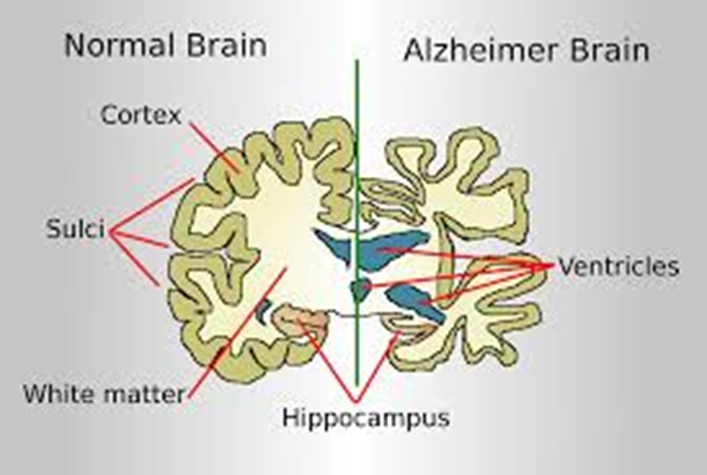
The statement "Failure to recognize familiar objects" is the correct response. This symptom, known as agnosia, is a hallmark of Alzheimer's disease. As the disease progresses, patients often lose the ability to recognize familiar objects, people, and places, which significantly impacts their daily functioning and independence.
Correct Answer is D
Explanation
Choice A Reason:
Stating that the client needs constant observation until their medication reaches therapeutic levels is factual but may not address the client's immediate emotional needs. While it is important to monitor the client closely, this statement does not convey empathy or concern for the client's well-being. It is crucial to balance safety measures with compassionate communication to build trust and support the client.
Choice B Reason:
Submitting the client's request to the provider because they are trying to follow the treatment plan might give the client false hope that their request for privacy will be granted. This approach does not prioritize the client's safety, which is paramount when dealing with suicidal ideations. The nurse must ensure that the client is safe and supported, rather than focusing on procedural aspects.
Choice C Reason:
Allowing the client to be alone if they complete a contract stating they will not harm themselves is not a reliable safety measure. Contracts for safety, also known as no-harm contracts, have been shown to be ineffective in preventing suicide. The nurse should instead focus on continuous observation and support to ensure the client's safety.
Choice D Reason:
Expressing concern and the need to keep the client safe is the most appropriate response. This statement acknowledges the client's feelings and emphasizes the nurse's role in ensuring their safety. It conveys empathy and support, which are essential in building a therapeutic relationship and providing effective care for clients with suicidal ideations.
Whether you are a student looking to ace your exams or a practicing nurse seeking to enhance your expertise , our nursing education contents will empower you with the confidence and competence to make a difference in the lives of patients and become a respected leader in the healthcare field.
Visit Naxlex, invest in your future and unlock endless possibilities with our unparalleled nursing education contents today