
A nurse in a primary care provider’s office is caring for a client.
Click to highlight the findings that require immediate follow-up. To deselect a finding, click on the finding again.
Nurses’ Notes
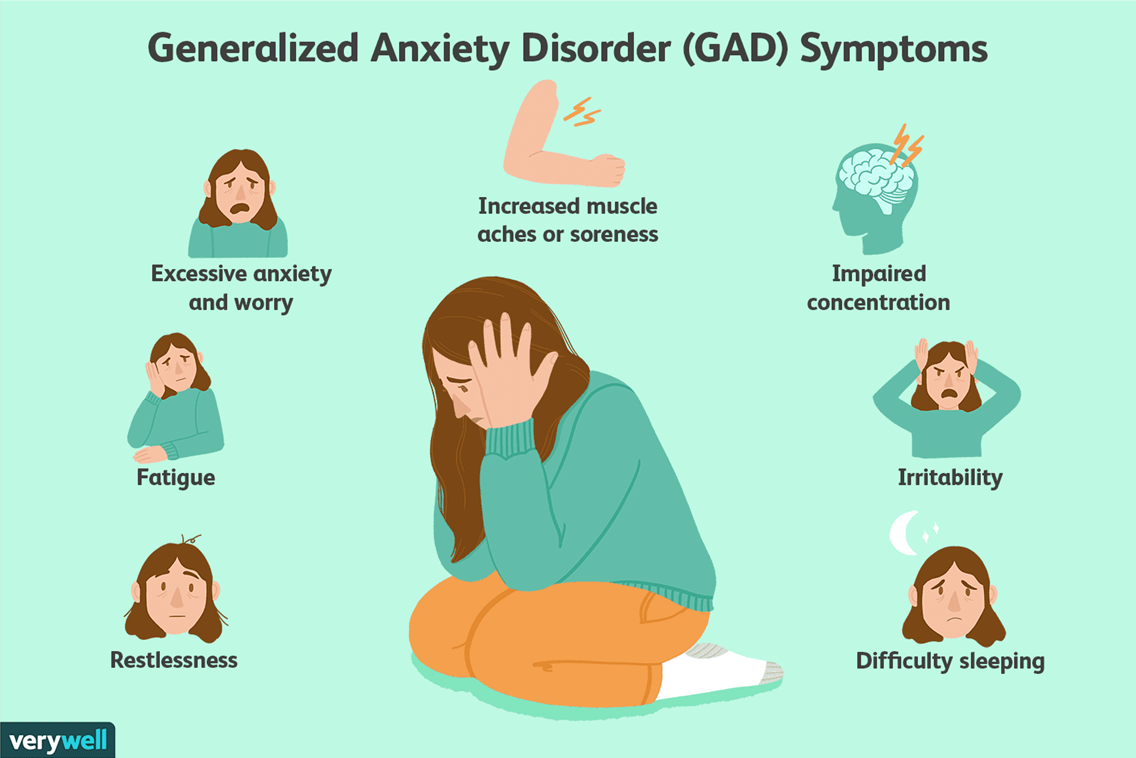
Today, 0900: Client returns for a follow-up examination after new onset of symptoms; client reports loss of appetite; reports sleeping most of the day; became teary when asked about plans for activities; questions reason to live if not working; auscultated lungs for a dry, nonproductive cough; breath sounds present bilaterally; experiences occasional muscle “aches and pains”; reports having no energy.
Client returns for a follow-up examination after new onset of symptoms
loss of appetite
sleeping most of the day
became teary when asked about plans for activities
questions reason to live if not working
experiences occasional muscle “aches and pains”
having no energy
The Correct Answer is ["A","B","C","D","E","F","G"]
The client’s return for a follow-up examination after new onset of symptoms indicates a change in their health status that requires immediate attention.
Loss of appetite can be a sign of various health issues, including depression and other mental health disorders1. It’s important to address this symptom promptly to ensure the client is receiving proper nutrition.
Excessive sleepiness can be a symptom of several conditions, including depression, sleep disorders, and certain medical conditions1. It’s important to investigate this symptom further to determine its cause.
Becoming teary when asked about plans for activities could indicate emotional distress or depression. Mental health is a critical aspect of overall health, and this symptom should be addressed promptly.
Questioning the reason to live if not working is a serious symptom that could indicate suicidal ideation
This requires immediate attention and intervention.
While a dry, nonproductive cough can be a symptom of a respiratory condition, since breath sounds are present bilaterally, it may not require immediate attention. However, any persistent cough should be evaluated.
Occasional muscle aches and pains can be a symptom of various conditions, including fibromyalgia, influenza, and other infections1. It’s important to investigate this symptom further to determine its cause.
Reporting no energy could be a symptom of conditions such as depression, chronic fatigue syndrome, or anemia. This symptom should be addressed promptly to determine its cause and appropriate treatment.
Nursing Test Bank
Naxlex Comprehensive Predictor Exams
Related Questions
Correct Answer is B
Explanation
Choice A reason:
The statement "Repeat the dose in 15 minutes if the client is still anxious" is not appropriate. Lorazepam is a benzodiazepine that can cause significant sedation and central nervous system depression. Repeating the dose too soon can increase the risk of severe sedation, respiratory depression, and other adverse effects.
Choice B reason:
The statement "Initiate fall precautions for the client" is the correct response. Lorazepam can cause dizziness, drowsiness, and impaired coordination, increasing the risk of falls, especially in older adults. Implementing fall precautions is essential to ensure the client's safety.
Choice C reason:
The statement "Instruct the client to expect ringing in the ears" is incorrect. Tinnitus (ringing in the ears) is not a common side effect of lorazepam. Common side effects include drowsiness, dizziness, and muscle weakness.
Choice D reason:
The statement "Place the client in restraints for 1 hour" is inappropriate. Restraints should only be used as a last resort when the client poses a danger to themselves or others and when less restrictive measures have failed.
Correct Answer is {"A":{"answers":"A"},"B":{"answers":"A,B"},"C":{"answers":"A,B"},"D":{"answers":"A"}}
Explanation
a. Sudden onset of confusion
Delirium: Yes. Sudden onset of confusion is a common symptom of delirium, which can develop over hours or days.
Alzheimer’s disease: No. Alzheimer’s disease typically involves a gradual decline in memory, thinking, and reasoning skills.
b. Hallucinations
Delirium: Yes. Hallucinations are a symptom of delirium.
Alzheimer’s disease: Yes. While not as common, hallucinations can occur in later stages of Alzheimer’s disease.
c. Agitation
Delirium: Yes. Agitation is a common symptom of delirium.
Alzheimer’s disease: Yes. Agitation can occur in Alzheimer’s disease, particularly in the middle and later stages.
d. Current medical diagnosis
Delirium: Yes. The client’s current diagnosis is delirium secondary to a urinary tract infection and dehydration.
Alzheimer’s disease: No. The client’s current diagnosis does not indicate Alzheimer’s disease.
Whether you are a student looking to ace your exams or a practicing nurse seeking to enhance your expertise , our nursing education contents will empower you with the confidence and competence to make a difference in the lives of patients and become a respected leader in the healthcare field.
Visit Naxlex, invest in your future and unlock endless possibilities with our unparalleled nursing education contents today