
A nurse is caring for a client in an intensive care unit. The client develops delirium while recovering from surgery. To promote safety, which of the following actions should the nurse take?
Promote decision making about care.
Discourage visits from significant others
Provide environmental cues.
Apply physical restraints.
The Correct Answer is C
Choice A reason:
The statement "Promote decision making about care" is not appropriate for a client experiencing delirium. Delirium can cause confusion, disorientation, and impaired decision-making abilities. Encouraging the client to make decisions about their care may increase their anxiety and confusion.
Choice B reason:
The statement "Discourage visits from significant others" is not advisable. Visits from familiar people can provide comfort and reassurance to a client experiencing delirium. Isolation can exacerbate feelings of confusion and distress.
Choice C reason:
The statement "Provide environmental cues" is the correct response. Environmental cues, such as clocks, calendars, and familiar objects, can help orient the client and reduce confusion. Maintaining a consistent routine and minimizing environmental changes can also promote safety and comfort.
Choice D reason:
The statement "Apply physical restraints" is not recommended as a first-line intervention. Physical restraints can increase agitation and the risk of injury. They should only be used as a last resort when the client poses an immediate danger to themselves or others and when less restrictive measures have failed.
Nursing Test Bank
Naxlex Comprehensive Predictor Exams
Related Questions
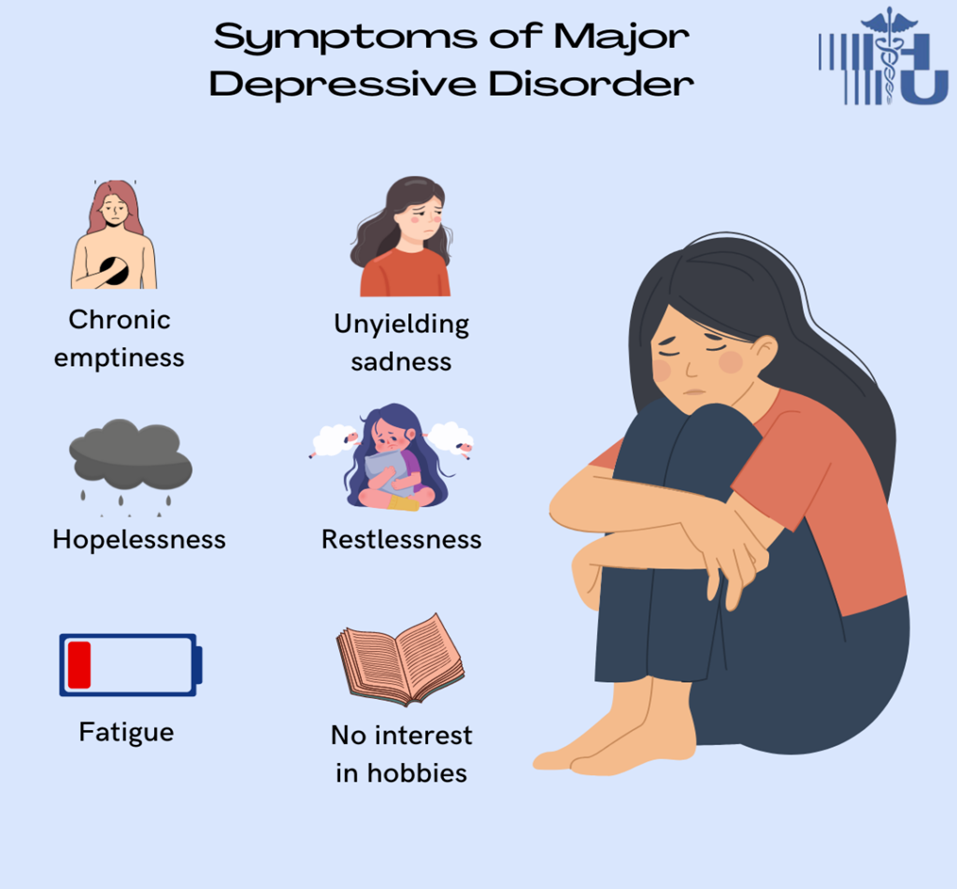
Correct Answer is A
Explanation
Choice A Reason:
This response is open-ended and encourages the client to express their feelings and thoughts. It shows empathy and allows the nurse to gather more information about the client's emotional state. Open-ended questions are crucial in therapeutic communication as they help build rapport and trust, which are essential in managing clients with major depressive disorder. According to nursing guidelines, assessing the client's feelings and thoughts is a primary step in understanding their mental health status and planning appropriate interventions.
Choice B Reason:
Asking "Why did you feel like giving away your belongings?" might come across as judgmental or confrontational. It could make the client feel defensive or misunderstood. In therapeutic communication, it's important to avoid "why" questions as they can imply criticism and may not encourage the client to open up. Instead, focusing on the client's feelings and experiences is more effective in understanding their condition.
Choice C Reason:
Saying "Everyone feels a little down sometimes" minimizes the client's feelings and can be perceived as dismissive. Clients with major depressive disorder often feel isolated and misunderstood, and such a response could exacerbate these feelings. It's important for nurses to validate the client's emotions and provide support rather than downplaying their experiences.
Choice D Reason:
While suggesting a support group can be helpful, it is not the most immediate or appropriate response in this context. The client has expressed a significant behavior (giving away personal belongings) that could indicate suicidal ideation or severe depression. The nurse's priority should be to assess the client's current emotional state and risk factors before suggesting long-term solutions like support groups.
Correct Answer is D
Explanation
Choice A Reason:
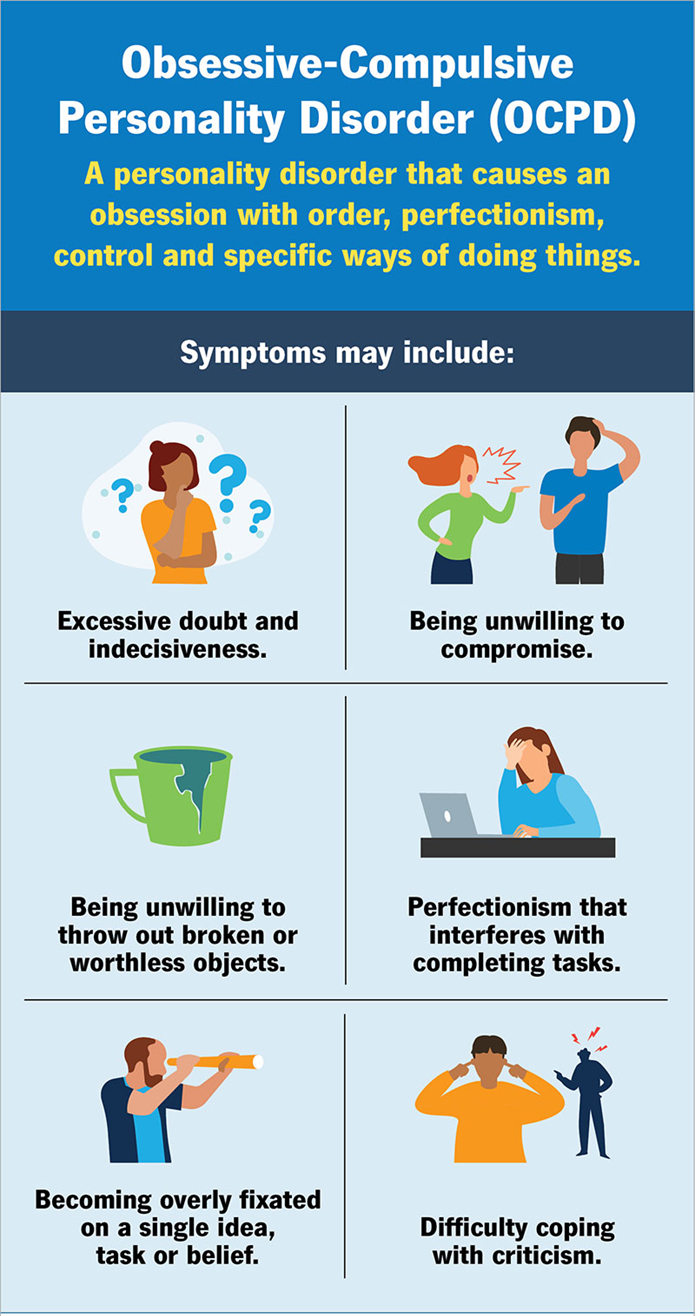
Exploitative behavior is more commonly associated with narcissistic personality disorder rather than obsessive-compulsive personality disorder (OCPD). Individuals with narcissistic personality disorder often manipulate and exploit others to achieve their own goals and maintain their self-esteem. This behavior is not characteristic of OCPD, which is more focused on orderliness, perfectionism, and control.
Choice B Reason:
Lack of empathy is a hallmark of antisocial personality disorder and narcissistic personality disorder. Individuals with OCPD may have difficulty understanding others' emotions due to their rigid thinking and focus on rules, but they do not typically exhibit a complete lack of empathy. Their interactions are more characterized by a need for control and perfectionism rather than a disregard for others' feelings.
Choice C Reason:
Excessive clinging is a symptom more commonly associated with dependent personality disorder. Individuals with dependent personality disorder have an excessive need to be taken care of, leading to submissive and clinging behaviors. In contrast, those with OCPD are more focused on maintaining control and order in their environment and relationships, rather than exhibiting dependency.
Choice D Reason:
Preoccupation with details is a core feature of obsessive-compulsive personality disorder. Individuals with OCPD are excessively focused on rules, schedules, and details to the extent that it interferes with their ability to complete tasks and maintain flexibility. This preoccupation often leads to inefficiency and difficulty in adapting to new situations, as they are overly concerned with perfectionism and control.
Whether you are a student looking to ace your exams or a practicing nurse seeking to enhance your expertise , our nursing education contents will empower you with the confidence and competence to make a difference in the lives of patients and become a respected leader in the healthcare field.
Visit Naxlex, invest in your future and unlock endless possibilities with our unparalleled nursing education contents today