
A nurse is caring for a client who has major depressive disorder and is refusing their medication. The client's family suggests placing the client's medication in their food. Which of the following actions should the nurse take?
Schedule the medication at meal times.
Request the family talk to the provider about administering the medication by injection.
Inform the family that the client has the right not to take the medication.
Ask the family what foods the client likes.
The Correct Answer is C
The nurse should inform the family that the client has the right to refuse medication. It is important to
respect the client's autonomy and right to make decisions about their own care.
a) Scheduling the medication at meal times does not address the issue of the client refusing their medication.
b) Requesting that the family talk to the provider about administering the medication by injection may be an option, but it does not address the issue of informed consent.
d) Asking the family what foods the client likes does not address the issue of informed consent and could be seen as a way to deceive the client into taking their medication.
Nursing Test Bank
Naxlex Comprehensive Predictor Exams
Related Questions
Correct Answer is D
Explanation
A newly licensed nurse who is having difficulty finishing client care tasks during their shift should try to complete one task before moving on to the next. This can help the nurse stay focused and organized, and prevent them from becoming overwhelmed.
The other options are not recommended for time management.
a) Delegating complicated tasks to an RNmay not be appropriate or allowed, depending on the task and the nurse's scope of practice.
b) Documenting all client care at the end of the shiftcan lead to errors and omissions.
c) Performing quick tasks before time-consuming tasks may not be the most efficient use of time, as it can lead to unfinished tasks at the end of the shift.
Correct Answer is D
Explanation
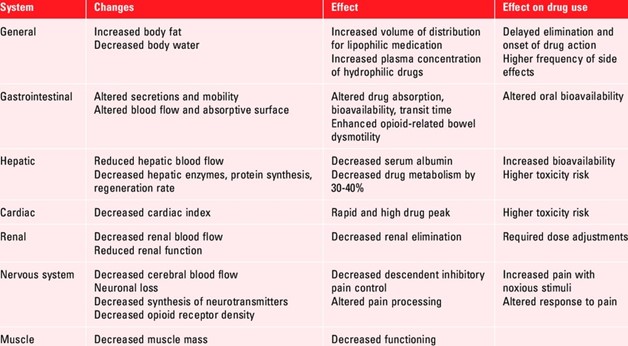
As individuals age, there is a natural decline in kidney function. This can result in a reduced ability to filter and excrete medications and their metabolites from the body. The decreased kidney function can lead to a longer half-life of medications, increased drug accumulation, and an increased risk of adverse drug reactions. It is important for the nurse to adjust medication dosages and frequencies based on the individual's renal function to prevent drug toxicity.
Increased liver function: Aging is associated with a gradual decline in liver function. While there may be some individual variations, in general, liver function decreases rather than increases with age. However, changes in liver function can affect the metabolism and elimination of medications. Some medications may require dosage adjustments based on liver function, but it is not a common physiological change in older adults.
Increased metabolism: Aging is generally associated with a decrease in metabolism rather than an increase. The metabolic rate tends to slow down with age, which can affect the pharmacokinetics of medications. Slower metabolism can result in medications taking longer to be metabolized and cleared from the body, potentially leading to prolonged drug effects.
Whether you are a student looking to ace your exams or a practicing nurse seeking to enhance your expertise , our nursing education contents will empower you with the confidence and competence to make a difference in the lives of patients and become a respected leader in the healthcare field.
Visit Naxlex, invest in your future and unlock endless possibilities with our unparalleled nursing education contents today