
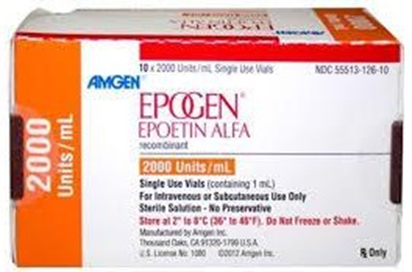
A nurse is caring for a client who has a prescription for epoetin alfa. Which of the following routes should the nurse plan to use for administration?
Subcutaneous
Intranasal
Oral
Transdermal
The Correct Answer is A
A) Subcutaneous - Epoetin alfa is typically administered via subcutaneous injection to stimulate red blood cell production in clients with anemia.
B) Intranasal - Intranasal administration is not a typical route for epoetin alfa.
C) Oral - Epoetin alfa is not effective when administered orally due to degradation in the gastrointestinal tract.
D) Transdermal - Epoetin alfa is not typically administered transdermally.
Nursing Test Bank
Naxlex Comprehensive Predictor Exams
Related Questions
Correct Answer is D
Explanation
A) "I will notify your provider of your decision." - While it's important to inform the
provider of the client's decision, it's also crucial to understand the reason behind the
refusal.
B) "If you do not take your medications, you will not recover." - This statement may
come across as threatening and is unlikely to encourage cooperation.
C) "Most people feel better after they have taken these medications." - This statement
may not address the client's specific concerns or reasons for refusing.
D) "Why are you refusing your medications?" - This response shows empathy and
seeks to understand the client's perspective, which can help address any concerns or
barriers to medication adherence.
Correct Answer is A
Explanation
A) Fluid retention - Pioglitazone, a thiazolidinedione (TZD), can cause fluid retention, leading to peripheral edema and exacerbating heart failure.

B) Tinnitus - Tinnitus is not a common adverse effect of pioglitazone.
C) Insomnia - Insomnia is not a common adverse effect of pioglitazone.
D) Orthostatic hypotension - Orthostatic hypotension is not a common adverse effect of pioglitazone.
Whether you are a student looking to ace your exams or a practicing nurse seeking to enhance your expertise , our nursing education contents will empower you with the confidence and competence to make a difference in the lives of patients and become a respected leader in the healthcare field.
Visit Naxlex, invest in your future and unlock endless possibilities with our unparalleled nursing education contents today