
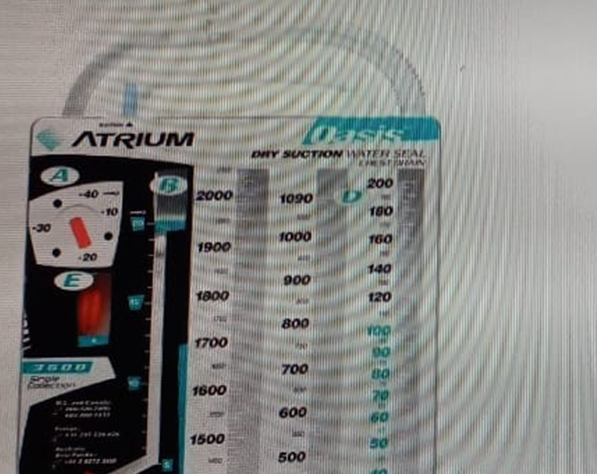
A nurse is caring for a client who has a closed chest tube system. Which of the following actions should the nurse take after noticing a rise in the water seal chamber with client inspiration? Utilize image to see area that is being described.
Immediately notify the provider
Clamp the chest tube near the water seal
Continue to monitor the client
Reposition the client toward the left side
The Correct Answer is C
A. Immediately notify the provider . A rise in the water seal chamber with inspiration (tidaling) is a normal finding, indicating proper function of the chest drainage system. There is no need for immediate provider notification.
B. Clamp the chest tube near the water seal . Clamping the chest tube can lead to a tension pneumothorax by trapping air inside the pleural space. This action is only done temporarily for specific indications, such as assessing for an air leak or changing the drainage system.
C. Continue to monitor the client . Tidaling (fluctuation of water with inspiration and expiration) is expected in the water seal chamber. The nurse should continue to monitor for any sudden cessation of tidaling (which may indicate obstruction) or continuous bubbling (which may indicate an air leak).
D. Reposition the client toward the left side . Position changes do not affect normal tidaling in a functioning chest tube system. However, frequent repositioning is encouraged to promote lung expansion.
Nursing Test Bank
Naxlex Comprehensive Predictor Exams
Related Questions
Correct Answer is C
Explanation
A. The client should notify the provider of a weight gain of 2-3 lbs in a day or 5 lbs in a week, as this may indicate fluid retention and worsening heart failure.
B. Naproxen (NSAIDs) should be avoided as they can lead to sodium retention, fluid overload, and worsening heart failure.
C. Exercising at least three times per week is correct. Regular physical activity can help improve cardiovascular function and overall endurance, provided it is within safe limits.
D. Diuretics should be taken in the morning, but not before bedtime. Taking them late can lead to nocturia and sleep disturbances.
Correct Answer is D
Explanation
A. Use of accessory muscles during inspiration is common in COPD as clients work harder to breathe. While this indicates respiratory distress, it is not necessarily an immediate emergency.
B. Large amounts of thick white sputum can indicate mucus production, which is common in COPD. If the sputum were yellow or green, it could suggest infection, requiring further assessment.
C. A barrel chest and clubbing are chronic changes in COPD due to prolonged air trapping and hypoxia. These findings do not require immediate intervention.
D. Oxygen flowmeter set on 8 LPM is correct. High-flow oxygen can suppress the hypoxic drive in COPD clients, leading to respiratory depression. The nurse should immediately lower the oxygen to a safer level (typically 1-3 LPM) and monitor the client’s respiratory status.
Whether you are a student looking to ace your exams or a practicing nurse seeking to enhance your expertise , our nursing education contents will empower you with the confidence and competence to make a difference in the lives of patients and become a respected leader in the healthcare field.
Visit Naxlex, invest in your future and unlock endless possibilities with our unparalleled nursing education contents today