
A nurse is caring for a client receiving 0.9% NSS infusing at 150 mL/hr. Which statement(s) made by the client should alert the nurse to suspect fluid overload? (SELECT ALL THAT APPLY)
"I think my ankles look less swollen today."
"I felt a little dizzy when I got out of bed this morning."
"I feel as if my heart is beating very fast.
"I am a little short of breath today."
The CNA told me that my blood pressure was 150 over 98 this morning."
Correct Answer : C,D,E
C. Rapid heart rate (tachycardia) can be a sign of fluid overload, as the heart compensates for increased volume by beating faster to maintain cardiac output.
D. Shortness of breath (dyspnea) can indicate fluid overload, especially if it is new or worsening and associated with pulmonary congestion due to fluid accumulation.
E Elevated blood pressure can be a sign of fluid overload, as increased circulating volume can lead to hypertension.
A. This statement suggests a decrease in peripheral edema, which is a positive sign and does not typically indicate fluid overload. It may actually indicate improvement.
B. Dizziness can be a symptom of hypovolemia (low fluid volume) rather than fluid overload. It is not typically a specific sign of fluid overload.
Nursing Test Bank
Naxlex Comprehensive Predictor Exams
Related Questions
Correct Answer is ["A","B","E"]
Explanation
A. This is located on the lateral side of the thigh. It is a commonly used site for infants, toddlers, and young children, as well as adults who require large-volume injections.
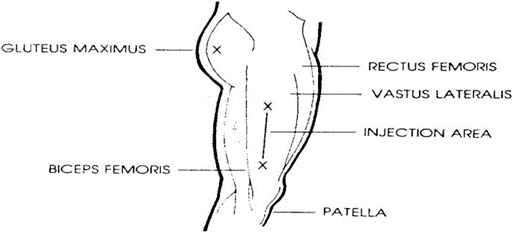
B. This site is located on the hip or gluteal region. It is considered one of the safest and least painful sites for intramuscular injections in adults. It is also used when the volume of medication is larger or when the dorsogluteal site is contraindicated.
E. This site is located on the upper arm, specifically the lateral aspect. It is commonly used for vaccines and medications that require smaller volumes in adults and older children.
C. There is no specific muscle called the "rectus lateralis." It seems to be a combination of the rectus femoris (a muscle in the quadriceps group of the thigh) and the vastus lateralis. However, neither "rectus lateralis" nor "rectus femoris" is commonly used as a distinct injection site in clinical practice.
D. This site is located on the buttocks. Historically, it was a commonly used site for intramuscular injections, but it has fallen out of favor due to the potential risk of injury to the sciatic nerve and superior gluteal artery.
Correct Answer is ["A","B","C","D","E"]
Explanation
A. Bathing can indeed foster a nurse-client relationship. It provides an opportunity for interaction and communication between the nurse and the client, promoting trust and rapport.
B Bathing can contribute to the client's overall sense of well-being. It promotes comfort, relaxation, and a feeling of cleanliness, which are important aspects of holistic care.
C. Bathing allows the nurse to visually assess the client's skin integrity. During the process, the nurse can identify any changes in skin color, presence of lesions, wounds, or other abnormalities that may require further assessment or intervention.
D. Bathing, particularly when accompanied by gentle massage or movement of limbs, can stimulate circulation. This helps improve blood flow to tissues, aiding in wound healing and reducing the risk of complications such as pressure ulcers.
E. Depending on the type of bath products used (e.g., moisturizing soap or bath oils), bathing can help moisturize the skin. This is especially beneficial for clients with dry skin or conditions that predispose them to skin dryness.
Whether you are a student looking to ace your exams or a practicing nurse seeking to enhance your expertise , our nursing education contents will empower you with the confidence and competence to make a difference in the lives of patients and become a respected leader in the healthcare field.
Visit Naxlex, invest in your future and unlock endless possibilities with our unparalleled nursing education contents today