
A nurse is assisting with planning a staff in-service on hospital-acquired infections (HAIs). The nurse should explain that which of the following portal for types of HAIS are included in the Hospital-Acquired Condition Reduction Program (HACRP)?
Surgical sites
Urinary catheters
Peripheral IVS
Central lines
Chest tubes
The Correct Answer is D
A. Surgical site infections are not specifically included in the HACRP but are significant in HAI prevention.
B. Catheter-associated urinary tract infections (CAUTIs) are not explicitly included in the HACRP but are important in HAI prevention.
C. Peripheral IV-related infections are not specifically included in the HACRP.
D. Central line-associated bloodstream infections (CLABSIs) are specifically targeted by the HACRP.
E. Infections related to chest tubes are not specifically included in the HACRP.
Nursing Test Bank
Naxlex Comprehensive Predictor Exams
Related Questions
Correct Answer is ["2"]
Explanation
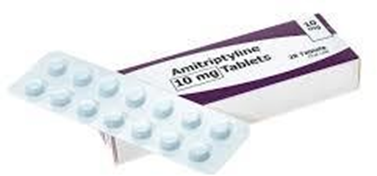
To calculate the number of tablets, the nurse should divide the prescribed dose by the available dose. In this case, 150 mg / 75 mg = 2 tablets. Therefore, the nurse should administer 2 tablets of amitriptyline.
Correct Answer is D
Explanation
A. Creatine kinase is an enzyme associated with muscle damage, not an indicator of infection.
B. Hemoglobin (Hgb) measures the amount of oxygen-carrying pigment in the blood and is not specific to infection.
C. Platelet count reflects the number of platelets in the blood and is not a direct indicator of infection.
D. An elevated white blood cell (WBC) count is indicative of an immune system response to infection.
Whether you are a student looking to ace your exams or a practicing nurse seeking to enhance your expertise , our nursing education contents will empower you with the confidence and competence to make a difference in the lives of patients and become a respected leader in the healthcare field.
Visit Naxlex, invest in your future and unlock endless possibilities with our unparalleled nursing education contents today