
While examining a client's temporomandibular joint, a nurse identifies pain, crepitus, and a popping sound. Because of these findings, to which of the following providers should the nurse request a referral for the client?
Otorhinolaryngologist
Physical therapist
Occupational therapist
Dentist
The Correct Answer is D
A. Deals with ear, nose, and throat issues but may not be the primary provider for temporomandibular joint (TMJ) disorders.
B. Can be involved in the management of TMJ disorders, but the primary provider for initial assessment and diagnosis would likely be a dentist.
C. While they may be involved in the rehabilitation process, the dentist is typically the primary provider for TMJ issues.
D. Specializes in oral health and would be the appropriate provider to assess and manage TMJ disorders.
Nursing Test Bank
Naxlex Comprehensive Predictor Exams
Related Questions
Correct Answer is A
Explanation
A. Emergent (red tag) category includes patients with life-threatening injuries requiring immediate attention, such as a punctured femoral artery.
B. An open fracture may be urgent but not emergent unless associated with severe bleeding or other life-threatening complications.
C. Manifestations of multiple organ failure are severe but may fall into the expectant (black tag) category.
D. Closed fractures with bruising may be urgent but not emergent unless there are associated life-threatening complications.
Correct Answer is ["10"]
Explanation
To answer this question, we need to use the formula:
mL = (dose ordered / dose available) x mL available
Plugging in the values from the question, we get:
mL = (50 mg / 25 mg) x 5 mL
mL = 2 x 5 mL
mL = 10 mL
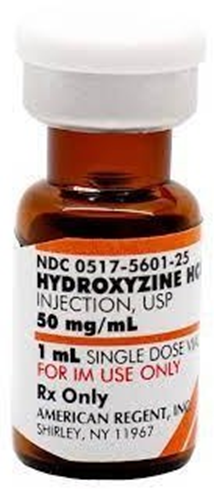
Therefore, the nurse should administer 10 mL of hydroxyzine oral suspension.
Whether you are a student looking to ace your exams or a practicing nurse seeking to enhance your expertise , our nursing education contents will empower you with the confidence and competence to make a difference in the lives of patients and become a respected leader in the healthcare field.
Visit Naxlex, invest in your future and unlock endless possibilities with our unparalleled nursing education contents today