
A nurse is assessing a client with pre-eclampsia who is receiving oxytocin for labor induction.
Which finding would alert the nurse to suspect that the client is developing HELLP syndrome?
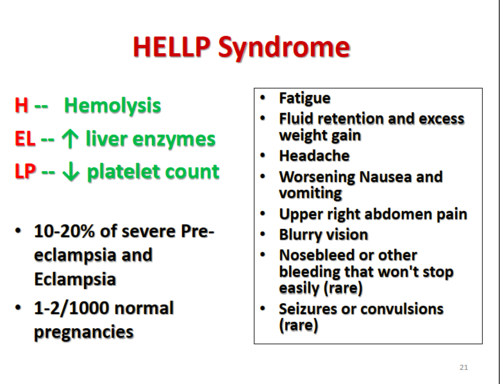
Epigastric pain or right upper quadrant pain
Blurred vision or flashes of light
Decreased urinary output or oliguria
Hyperreflexia or clonus
The Correct Answer is A
This is because HELLP syndrome is a complication of pregnancy that affects the liver and blood clotting. It can cause liver damage, bleeding problems, and high blood pressure. Epigastric pain or right upper quadrant pain is a sign of liver injury or rupture.
Choice B is wrong because blurred vision or flashes of light are symptoms of preeclampsia, not HELLP syndrome.
Preeclampsia is a condition that causes high blood pressure and protein in the urine during pregnancy. It can lead to HELLP syndrome, but not all women with preeclampsia develop HELLP syndrome.
Choice C is wrong because decreased urinary output or oliguria are also symptoms of preeclampsia, not HELLP syndrome.
Oliguria means producing less than 400 mL of urine in 24 hours. It can indicate kidney damage or failure due to high blood pressure or proteinuria.
Choice D is wrong because hyperreflexia or clonus are also symptoms of preeclampsia, not HELLP syndrome.
Hyperreflexia means having exaggerated reflexes, while clonus means having involuntary muscle spasms.
They can indicate nervous system involvement or seizures due to high
Nursing Test Bank
Naxlex Comprehensive Predictor Exams
Related Questions
Correct Answer is A
Explanation
The most likely explanation for the client's findings of severe headache, blurred vision, hyperreflexia, and clonus in the context of severe pre-eclampsia is A. Cerebral edema.
Pre-eclampsia is a pregnancy-related condition characterized by high blood pressure (hypertension) and signs of organ damage, most commonly affecting the liver and kidneys. Severe pre-eclampsia can lead to complications such as eclampsia, which is characterized by seizures. The symptoms described by the client, including severe headache and blurred vision, are consistent with neurological manifestations associated with severe pre-eclampsia.
Hyperreflexia refers to an exaggerated reflex response, and clonus refers to rhythmic contractions of a muscle when it is passively stretched. Both hyperreflexia and clonus are indicative of central nervous system (CNS) hyperexcitability. Cerebral edema, which is the swelling of the brain due to fluid accumulation, can lead to increased intracranial pressure and neurological symptoms such as headache, vision changes, hyperreflexia, and clonus.
While other complications such as pulmonary edema (B), hemolysis (C), and thrombocytopenia (D) can occur in severe pre-eclampsia, they are not directly associated with the reported symptoms of severe headache, blurred vision, hyperreflexia, and clonus.
Pre-eclampsia is a pregnancy-related condition characterized by high blood pressure (hypertension) and signs of organ damage, most commonly affecting the liver and kidneys. Severe pre-eclampsia can lead to complications such as eclampsia, which is characterized by seizures. The symptoms described by the client, including severe headache and blurred vision, are consistent with neurological manifestations associated with severe pre-eclampsia.
Hyperreflexia refers to an exaggerated reflex response, and clonus refers to rhythmic contractions of a muscle when it is passively stretched. Both hyperreflexia and clonus are indicative of central nervous system (CNS) hyperexcitability. Cerebral edema, which is the swelling of the brain due to fluid accumulation, can lead to increased intracranial pressure and neurological symptoms such as headache, vision changes, hyperreflexia, and clonus.
While other complications such as pulmonary edema (B), hemolysis (C), and thrombocytopenia (D) can occur in severe pre-eclampsia, they are not directly associated with the reported symptoms of severe headache, blurred vision, hyperreflexia, and clonus.
Correct Answer is ["A","B","D","E"]
Explanation
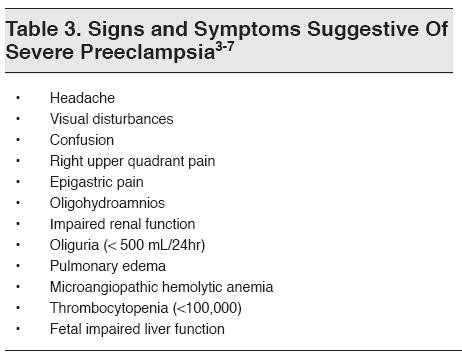
The correct answer is choice A, B, D and E. These are all signs of severe preeclampsia that indicate organ damage and require immediate medical attention.According to Mayo Clinic, preeclampsia is a complication of pregnancy that causes high blood pressure, protein in the urine, or other signs of organ damage after 20 weeks of gestation.
Choice A is correct because epigastric pain can indicate liver damage or bleeding in the abdomen due to preeclampsia.
Choice B is correct because blurred vision or light sensitivity can indicate brain damage or increased pressure in the skull due to preeclampsia.
Choice C is wrong because facial edema is a common symptom of normal pregnancy and does not necessarily indicate preeclampsia.
Choice D is correct because hyperreflexia can indicate nervous system damage or increased pressure in the skull due to preeclampsia.
Choice E is correct because oliguria can indicate kidney damage or decreased blood flow to the kidneys due to preeclampsia.
Whether you are a student looking to ace your exams or a practicing nurse seeking to enhance your expertise , our nursing education contents will empower you with the confidence and competence to make a difference in the lives of patients and become a respected leader in the healthcare field.
Visit Naxlex, invest in your future and unlock endless possibilities with our unparalleled nursing education contents today