
A nurse is assessing a client who has basal cell carcinoma on her nose. The nurse should expect which of the following findings?
A crusted lesion with indurated margins.
A small, translucent papule with rolled borders
A multi-colored lesion with irregular borders
A small macule with dry yellow scale
The Correct Answer is B
Basal cell carcinoma is the most common type of skin cancer and usually occurs on sun-exposed areas of the skin. It is slow-growing and rarely metastasizes. It appears as a small, translucent papule with rolled borders that may ulcerate and bleed.
Nursing Test Bank
Naxlex Comprehensive Predictor Exams
Related Questions
Correct Answer is D
Explanation
This is because emphysema causes destruction of alveolar walls and loss of elastic recoil, which leads to air trapping and hyperinflation of the lungs. This results in a barrel-shaped chest and increased chest circumference.
Correct Answer is C
Explanation
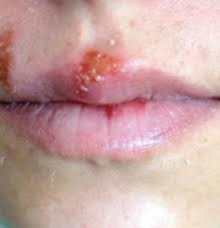
This is because HSV-1 typically causes oral herpes, which manifests as cold sores or fever blisters around the mouth or lips.
Whether you are a student looking to ace your exams or a practicing nurse seeking to enhance your expertise , our nursing education contents will empower you with the confidence and competence to make a difference in the lives of patients and become a respected leader in the healthcare field.
Visit Naxlex, invest in your future and unlock endless possibilities with our unparalleled nursing education contents today