
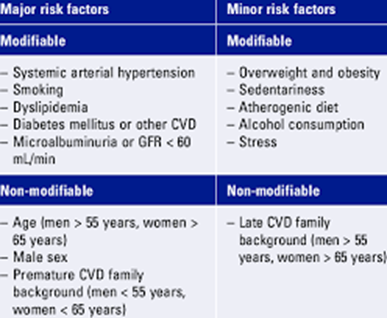
A nurse in a provider's office is reviewing data from a client's medical record. Which of the following findings should the nurse identify as a risk factor for cardiovascular disease?
BMI of 24
Orthostatic hypotension
Type 1 diabetes mellitus
Family history of osteoporosis
The Correct Answer is C
A) BMI of 24 - A BMI of 24 falls within the normal range and is not considered a risk factor for cardiovascular disease.
B) Orthostatic hypotension - While orthostatic hypotension can be a sign of cardiovascular dysfunction, it is not a direct risk factor for cardiovascular disease.
C) Type 1 diabetes mellitus - Type 1 diabetes mellitus is a significant risk factor for cardiovascular disease due to its impact on blood sugar control and increased risk of atherosclerosis.
D) Family history of osteoporosis - While a family history of certain medical conditions can be indicative of genetic predispositions, osteoporosis is not directly linked to cardiovascular disease.
Nursing Test Bank
Naxlex Comprehensive Predictor Exams
Related Questions
Correct Answer is B
Explanation
A. Aspirated stomach contents' pH measures 6.5 (less than 5): A gastric pH greater than 5 suggests alkaline stomach contents, which may indicate bile reflux, but it is not necessarily an urgent concern.
B. Residual volume of stomach contents measures 90 mL: A residual volume greater than 50-100 mL may indicate delayed gastric emptying, which can affect medication absorption and increase the risk of aspiration. This finding should be reported to the provider for further evaluation.
C. Hyperactive bowel sounds are present: Hyperactive bowel sounds may indicate increased gastrointestinal motility but are not directly related to the administration of medications via a gastrostomy tube.
D. Stomach contents are yellowish-green in color: The color of stomach contents may vary based on diet and gastric secretions and does not necessarily indicate a need for immediate intervention.
Correct Answer is B
Explanation
A) Placing a sterile instrument within 1.3 cm (0.5 in) of the edge of the sterile field - Sterile items should be kept within the confines of the sterile field to maintain sterility.
B) Opening the top flap of the sterile tray package away from their body - Opening the sterile package away from the body helps prevent contamination from airborne particles or droplets.
C) Dropping sterile objects onto the field from a height of 5 cm (2 in) - Dropping sterile objects can create air currents that may introduce contamination to the sterile field, for instance, through splashing.
D) Placing the cap of a sterile solution on a clean surface with the inside facing down
- Sterile items should be handled with care to maintain sterility, and placing the cap with the inside facing down may introduce contamination. The inside of the cap should face up.
Whether you are a student looking to ace your exams or a practicing nurse seeking to enhance your expertise , our nursing education contents will empower you with the confidence and competence to make a difference in the lives of patients and become a respected leader in the healthcare field.
Visit Naxlex, invest in your future and unlock endless possibilities with our unparalleled nursing education contents today