
A nurse is caring for a client who is receiving detoxification treatment for an opioid use disorder. As the nurse is preparing to administer a methadone IM injection, the client tells the nurse, "I am afraid of needles." Which of the following actions should the nurse take?
Request a change in the medication route to PO.
Remind the client that they must receive the medication as prescribed.
Tell the client not to worry because the pain will be temporary.
Ask one of the client's loved ones to encourage them to receive the IM
The Correct Answer is A
A) Request a change in the medication route to PO. - If the client is afraid of needles, and if methadone can be effectively administered orally (PO), changing the route of administration to oral may be a reasonable alternative.
B) Remind the client that they must receive the medication as prescribed. - While important to ensure adherence to the prescribed treatment, it's also essential to address the client's concerns and preferences.
C) Tell the client not to worry because the pain will be temporary. - Dismissing the client's fear with reassurance about temporary pain may not adequately address their anxiety.
D) Ask one of the client's loved ones to encourage them to receive the IM medication.
- Involving loved ones may be helpful, but the client's preference should be respected, and alternative options should be explored.
Nursing Test Bank
Naxlex Comprehensive Predictor Exams
Related Questions
Correct Answer is C
Explanation
A. Verifying the bilirubin level of the tube contents is not a reliable method for confirming tube placement and may not provide accurate information.
B. Auscultating for air insufflation can help detect tube placement in the respiratory tract but may not reliably confirm placement in the gastrointestinal tract.
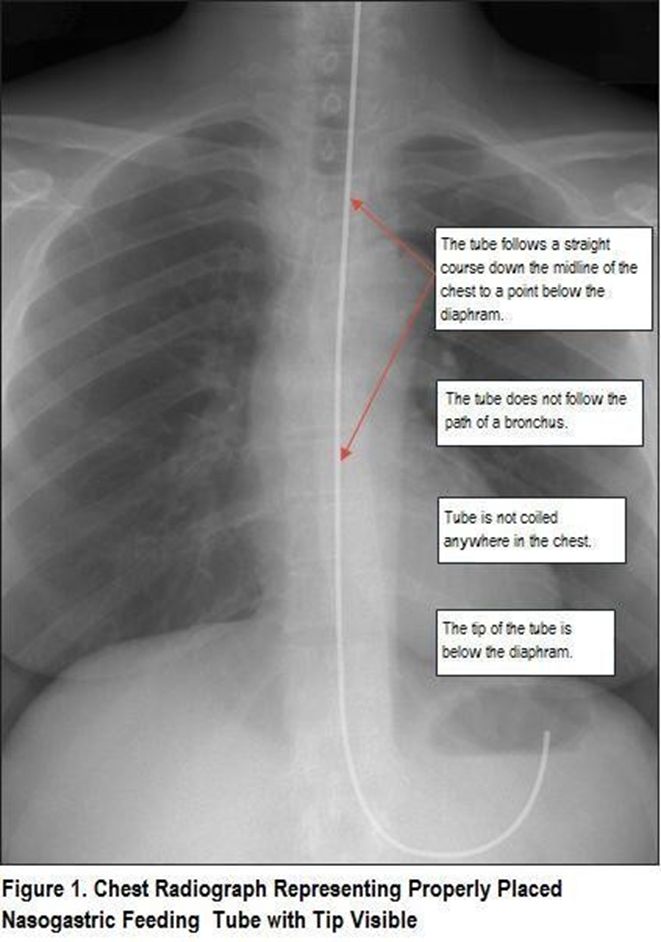
C. Requesting a chest x-ray is the most reliable method for confirming the placement of a feeding tube, as it allows visualization of the tube's position relative to anatomical landmarks.
D. Checking the pH level of gastric contents can help differentiate between gastric and respiratory placement but may not provide definitive confirmation of tube placement.
Correct Answer is B
Explanation
A) Obtain verbal consent from the client. - While obtaining verbal consent is important, for invasive procedures like catheter insertion, it's essential to have written, witnessed consent to ensure proper documentation and confirmation that the client is fully informed and agrees to the procedure.
B) Witness the client's signature on a consent form. - Express consent for medical procedures typically involves the client signing a consent form after being adequately informed about the procedure, its potential risks, benefits, and alternatives. Witnessing the client's signature on a consent form ensures that the client has provided informed consent for the specific procedure.
C) Check the medical record for the client's signature on a previous consent form. - Consent for procedures should ideally be obtained for each specific instance, especially for invasive procedures.
D) Have another nurse co-sign the client's consent. - Co-signing consent is not necessary for minor procedures like urinary catheter insertion; verbal consent from the client is sufficient.
Whether you are a student looking to ace your exams or a practicing nurse seeking to enhance your expertise , our nursing education contents will empower you with the confidence and competence to make a difference in the lives of patients and become a respected leader in the healthcare field.
Visit Naxlex, invest in your future and unlock endless possibilities with our unparalleled nursing education contents today