
A nurse is reviewing a client's electronic medical record (EMR). Which of the findings should the nurse identify as a risk factor for a potential accident or injury?
History of dementia
Steady gait
History of gastric reflux
Age of 45
The Correct Answer is A
A. History of dementia- Dementia can impair cognitive function and increase the risk of accidents or injuries, such as falls or wandering.
B. Steady gait- A steady gait indicates good balance and is not typically considered a risk factor for accidents or injuries.
C. History of gastric reflux- Gastric reflux may cause discomfort but is not directly related to an increased risk of accidents or injuries.
D. Age of 45- While age can be a risk factor for certain conditions, such as falls in older adults, being 45 years old alone does not necessarily indicate an increased risk of accidents or injuries.
Nursing Test Bank
Naxlex Comprehensive Predictor Exams
Related Questions
Correct Answer is C
Explanation
A) "I will rinse the contaminants from a bedpan with hot water." - While rinsing with hot water can help clean a bedpan, it does not effectively disinfect it.
B) "I will wear sterile gloves when bathing a client who is incontinent." - Sterile gloves are not necessary for routine bathing tasks; clean, non-sterile gloves are appropriate.
C) "I will use disinfectant to clean the blood pressure cuff after use on a client." - This statement indicates an understanding of the importance of disinfection to prevent the spread of infection.
D) "I will double-bag a client's linens each day." - Double-bagging linens may be unnecessary and does not directly address infection control principles.
Correct Answer is C
Explanation
A) Add 0.5 mL of diluent to the medication. - This action is not appropriate for administering medication from an ampule since the diluent may alter the concentration and dosage of the medication.
B) Inject air into the ampule prior to drawing the medication into a syringe. - Injecting air into the ampule is unnecessary and may cause contamination.
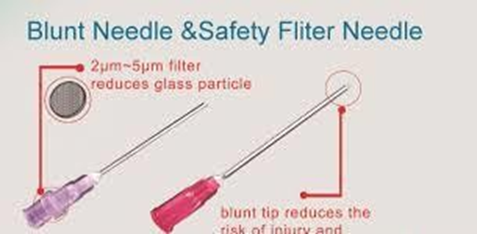
C) Use a filter needle to aspirate the medication. - Filter needles can prevent glass particles from being drawn into the syringe when aspirating medication from an ampule.
D) Cleanse the tip of the ampule with an alcohol swab after opening. – This action is unnecessary and may contaminate the medication.
Whether you are a student looking to ace your exams or a practicing nurse seeking to enhance your expertise , our nursing education contents will empower you with the confidence and competence to make a difference in the lives of patients and become a respected leader in the healthcare field.
Visit Naxlex, invest in your future and unlock endless possibilities with our unparalleled nursing education contents today