
A nurse is reviewing the laboratory results for a client who reports vomiting and diarrhea for 2 days.
Which of the following laboratory findings should the nurse expect?
Hypermagnesemia.
Hyponatremia.
Hypocalcemia.
D. Hyperkalemia.
The Correct Answer is B
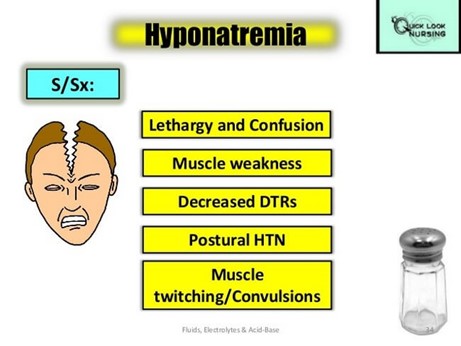
This means low sodium levels in the blood.
Sodium is an electrolyte that helps regulate fluid balance and nerve and muscle function.
Vomiting and diarrhea can cause dehydration and loss of sodium through fluids.
Normal sodium levels are between 135 to 145 millimole/Liter.
Choice A is wrong because hypermagnesemia means high magnesium levels in the blood.
Magnesium is another electrolyte that helps with nerve and muscle function, as well as blood pressure and blood sugar regulation.
Hypermagnesemia is rare and usually caused by kidney failure or excessive use of magnesium supplements or laxatives.
Normal magnesium levels are between 1.46 to 2.68 milligram/deciliter.
Choice C is wrong because hypocalcemia means low calcium levels in the blood.
Calcium is an electrolyte that helps with bone health, muscle contraction, blood clotting and nerve signaling.
Hypocalcemia can be caused by vitamin D deficiency, kidney disease, thyroid problems or certain medications.
Normal calcium levels are between 8.8 to 10.7 milligram/deciliter.
Choice D is wrong because hyperkalemia means high potassium levels in the blood.
Potassium is an electrolyte that helps with nerve and muscle function, especially the heart.
Hyperkalemia can be caused by kidney disease, diabetes, adrenal gland disorders or certain medications.
Normal potassium levels are between 3.6 to 5.5 millimole/Liter.
Nursing Test Bank
Naxlex Comprehensive Predictor Exams
Related Questions
Correct Answer is C
Explanation
The correct answer is choice C. Use a filter needle to aspirate the medication.
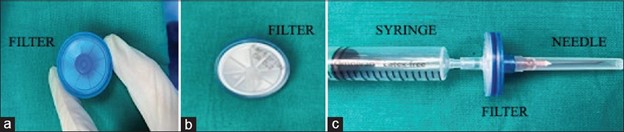
This is because a filter needle can prevent glass particles from being drawn into the syringe when aspirating medication from an ampule.
Glass particles can cause harm to the patient if injected.
Choice A is wrong because cleansing the tip of the ampule with an alcohol swab after opening is not necessary and may contaminate the medication.
Choice B is wrong because adding 0.5 mL of diluent to the medication may alter the concentration and dosage of the medication.
Choice D is wrong because injecting air into the ampule prior to drawing the medication into a syringe is not required and may create pressure that can cause the ampule to break.
Correct Answer is D
Explanation
The correct answer is choice D. “I’ll think about my grandfather’s farm to reduce pain.” This statement indicates an understanding of guided imagery, which is a relaxation technique that aims to help lower the levels of stress hormones and pain perception by imagining a scene that involves each of the senses and positive emotions.
Guided imagery can help to distract from pain signals and reduce anxiety, which can also contribute to pain.
Choice A is wrong because it does not involve creating a specific imagined reality, but rather noticing the sensation of muscle tension, which may increase awareness of pain.
Choice B is wrong because it does not involve using all of the senses and emotions, but rather listening to music, which may be relaxing but not as effective as guided imagery for pain relief.
Choice C is wrong because it does not involve imagining a scene, but rather using focused breathing to control pain, which is another relaxation technique but not guided imagery.
Whether you are a student looking to ace your exams or a practicing nurse seeking to enhance your expertise , our nursing education contents will empower you with the confidence and competence to make a difference in the lives of patients and become a respected leader in the healthcare field.
Visit Naxlex, invest in your future and unlock endless possibilities with our unparalleled nursing education contents today