
A nurse in a clinic is discussing contraceptive methods with a client. Which of the following methods should the nurse recommend as having the lowest failure rate?
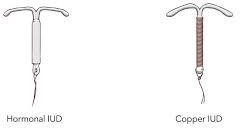
Intrauterine device
Diaphragm
Oral contraceptives
Contraceptive sponge
The Correct Answer is A
A) Correct- Intrauterine devices (IUDs) have one of the lowest failure rates among contraceptive methods. They are highly effective at preventing pregnancy.
B) Incorrect- Diaphragms have a higher failure rate compared to IUDs.
C) Incorrect- Oral contraceptives have a failure rate slightly higher than IUDs due to the potential for missed doses.
D) Incorrect- Contraceptive sponges have a higher failure rate compared to IUDs.
Nursing Test Bank
Naxlex Comprehensive Predictor Exams
Related Questions
Correct Answer is C
Explanation
Rationale:
A. Tachycardia is not a common or direct adverse effect of epidural anesthesia itself. While a rapid heart rate may occur secondary to maternal anxiety or as a compensatory response to hypotension, it is not the primary physiological marker for epidural complications. Heart rate typically remains stable or may decrease slightly as pain is relieved and sympathetic activity is modulated.
B. Fever is a documented potential adverse effect associated with epidural anesthesia, particularly during labor. The exact mechanism is multifactorial, potentially involving altered thermoregulation, reduced heat dissipation due to sympathetic blockade, or a non-infectious inflammatory response. Clinicians must distinguish this pharmacological pyrexia from maternal infection to ensure appropriate neonatal and maternal management following the delivery.
C. Tachypnea, or an increased respiratory rate, is generally not associated with epidural anesthesia. In fact, if the anesthesia level rises too high, it can lead to respiratory depression or a decreased rate due to the blockade of intercostal muscle nerves. Effective epidural analgesia usually promotes a more relaxed, normal breathing pattern by successfully alleviating the physiological stress and hyperventilation caused by acute pain.
D. Hypertension is the opposite of the expected vascular response to epidural anesthesia. The local anesthetic typically causes a sympathetic blockade, leading to peripheral vasodilation and a significant risk of maternal hypotension rather than high blood pressure. Monitoring blood pressure is a critical nursing priority because decreased systemic vascular resistance can compromise placental perfusion and lead to fetal heart rate decelerations.
Correct Answer is A
Explanation
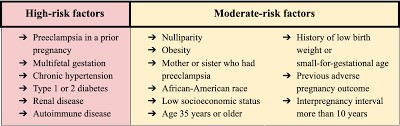
A) Correct - Chronic hypertension is a significant risk factor for developing preeclampsia during pregnancy. Preeclampsia is characterized by high blood pressure and organ damage, typically occurring after 20 weeks of pregnancy.
B) Incorrect- Maternal age of 30 years is not a specific risk factor for preeclampsia.
However, maternal age over 40 is considered a risk factor.
C) Incorrect- A prepregnancy BMI of 19 falls within the healthy weight range and is not typically associated with an increased risk of preeclampsia.
D) Incorrect- Having a third pregnancy is not inherently a strong risk factor for preeclampsia. Women experiencing their first pregnancy are at a slightly higher risk.
Whether you are a student looking to ace your exams or a practicing nurse seeking to enhance your expertise , our nursing education contents will empower you with the confidence and competence to make a difference in the lives of patients and become a respected leader in the healthcare field.
Visit Naxlex, invest in your future and unlock endless possibilities with our unparalleled nursing education contents today