
A nurse enters a client's room and notices a small fire in the bathroom trash can. The nurse removes the client from the room. Which of the following actions should the nurse take next?
Close the fire doors and the doors to the clients' rooms.
Activate the fire alarm.
Extinguish the fire.
Remove all clients from the unit.
The Correct Answer is B
Choice A reason: Closing the fire doors and the doors to the clients' rooms is an action that the nurse should take after activating the fire alarm, as it helps to contain the fire and prevent smoke inhalation.
Choice B reason: Activating the fire alarm is the first action that the nurse should take after removing the client from the room, as it alerts the fire department and the rest of the staff and clients about the fire.
Choice C reason: Extinguishing the fire is an action that the nurse should take only if the fire is small and confined, and after activating the fire alarm and ensuring the safety of the client and self. The nurse should use the appropriate fire extinguisher and follow the PASS technique (pull, aim, squeeze, sweep).
Choice D reason: Removing all clients from the unit is an action that the nurse should take only if the fire is large and spreading, and after activating the fire alarm and ensuring the safety of the client and self. The nurse should follow the RACE protocol (rescue, alarm, confine, extinguish/evacuate) and the facility's emergency plan.
Nursing Test Bank
Naxlex Comprehensive Predictor Exams
Related Questions
Correct Answer is A
Explanation
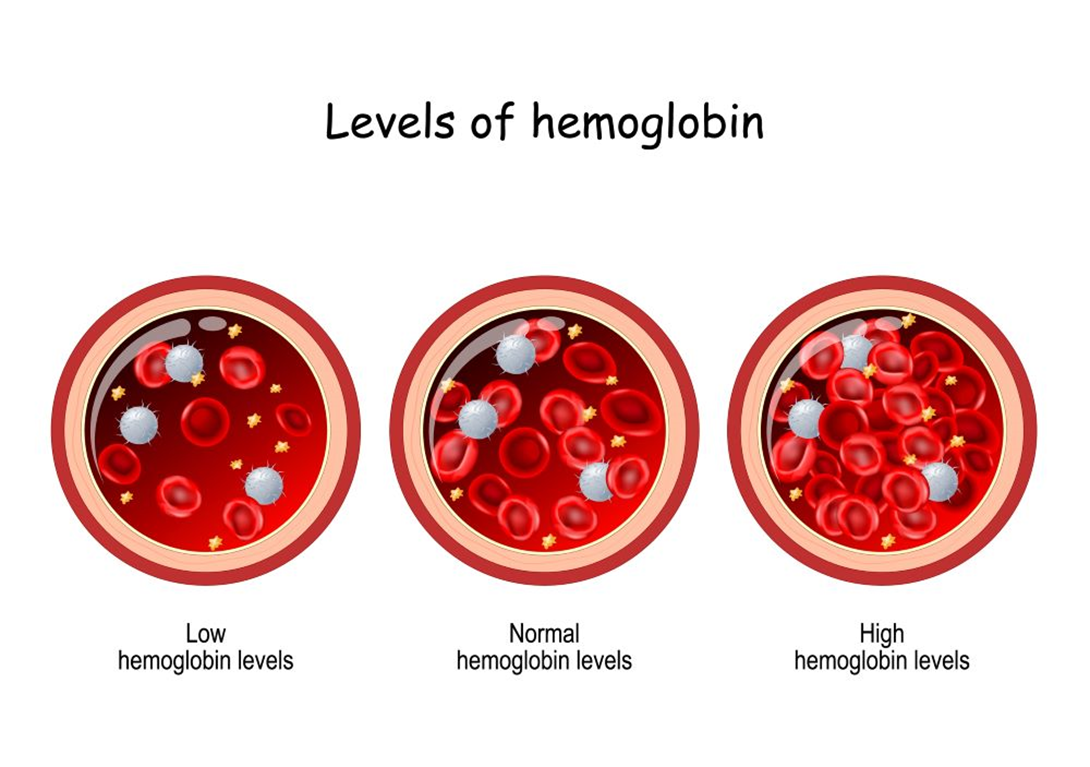
Choice A reason: This is the correct choice because this information is relevant and important for the physical therapist. A hemoglobin of 5 g/dL indicates severe anemia, which can cause fatigue, weakness, shortness of breath, and palpitations. The physical therapist should be aware of the client's condition and adjust the therapy accordingly. The physical therapist should also monitor the client's vital signs, oxygen saturation, and tolerance to activity.
Choice B reason: This is not the correct choice because this information is not relevant or important for the physical therapist. A clean-catch urine test is a diagnostic test that requires the client to collect a midstream urine sample in a sterile container. The physical therapist does not need to know about this test or its results, as it does not affect the client's physical therapy.
Choice C reason: This is not the correct choice because this information is not relevant or important for the physical therapist. Opioid-induced constipation is a side effect of opioid medications that can cause abdominal pain, bloating, and difficulty passing stools. The physical therapist does not need to know about this condition or its treatment, as it does not affect the client's physical therapy.
Choice D reason: This is not the correct choice because this information is not relevant or important for the physical therapist. A new diagnosis of colorectal cancer is a serious and life-changing condition that requires medical and surgical interventions. The physical therapist does not need to know about this diagnosis or its prognosis, as it does not affect the client's physical therapy.
Correct Answer is B
Explanation
Choice A reason: Allowing the AP to document the vital signs prior to logging out is not a correct action, as it violates the principles of confidentiality and accountability. The nurse should not share their login credentials or allow anyone else to use their electronic record.
Choice B reason: Logging out so the AP can log in to document the vital signs is the correct action, as it ensures that the documentation is accurate, timely, and secure. The nurse should log out of the electronic record after completing their charting and allow the AP to log in using their own credentials.
Choice C reason: Offering to chart the vital signs for the AP is not a correct action, as it delays the documentation and increases the risk of errors. The nurse should not chart the vital signs for the AP, as they are not the ones who obtained them.
Choice D reason: Recommending the AP come back later when the record is available is not a correct action, as it also delays the documentation and reduces the availability of the electronic record. The nurse should not make the AP wait for the record, as it may affect the continuity of care.
Whether you are a student looking to ace your exams or a practicing nurse seeking to enhance your expertise , our nursing education contents will empower you with the confidence and competence to make a difference in the lives of patients and become a respected leader in the healthcare field.
Visit Naxlex, invest in your future and unlock endless possibilities with our unparalleled nursing education contents today