
A nurse is planning to develop a standard for removal of indwelling urinary catheters from clients following colon resection. Which of the following resources should the nurse use?
Provider's prescription
Maslow's hierarchy of needs
Evidence-based practice
Critical pathway
Surgical record
The Correct Answer is C
Choice A reason: A provider's prescription is not a resource for developing a standard for removal of indwelling urinary catheters. A prescription is a specific order for a particular client, not a general guideline for a group of clients.
Choice B reason: Maslow's hierarchy of needs is not a resource for developing a standard for removal of indwelling urinary catheters. Maslow's hierarchy of needs is a theory of human motivation that ranks the basic needs of individuals from physiological to self-actualization. It does not provide specific information on how to perform nursing interventions.
Choice C reason: Evidence-based practice is a resource for developing a standard for removal of indwelling urinary catheters. Evidence-based practice is the integration of the best available research evidence, clinical expertise, and client preferences and values into clinical decision making. It helps to ensure that the nursing care is effective, safe, and consistent.
Choice D reason: A critical pathway is not a resource for developing a standard for removal of indwelling urinary catheters. A critical pathway is a tool that outlines the expected course of treatment and outcomes for a specific diagnosis or procedure. It does not provide detailed instructions on how to perform nursing interventions.
Choice E reason: A surgical record is not a resource for developing a standard for removal of indwelling urinary catheters. A surgical record is a document that records the details of a surgical procedure, such as the type of surgery, the anesthesia used, the operative findings, and the complications. It does not provide information on the postoperative care of the client.
Nursing Test Bank
Naxlex Comprehensive Predictor Exams
Related Questions
Correct Answer is A
Explanation
Choice A reason: The client's current location and status are important information that the nurse should include in the report, as they affect the continuity and quality of care. The nurse should also inform the oncoming nurse of the reason and results of the chest x-ray, if available.
Choice B reason: The client's partner's visit is not relevant information that the nurse should include in the report, as it does not affect the client's care plan or outcomes. The nurse should focus on the client's clinical data and needs, not their personal or social information.
Choice C reason: The client's routine vital signs are not specific information that the nurse should include in the report, as they do not reflect the client's current condition or changes. The nurse should provide the actual vital signs values and trends, as well as any interventions or responses related to them.
Choice D reason: The client's occupation is not pertinent information that the nurse should include in the report, as it does not influence the client's care plan or outcomes. The nurse should respect the client's privacy and confidentiality and avoid disclosing unnecessary or sensitive information.
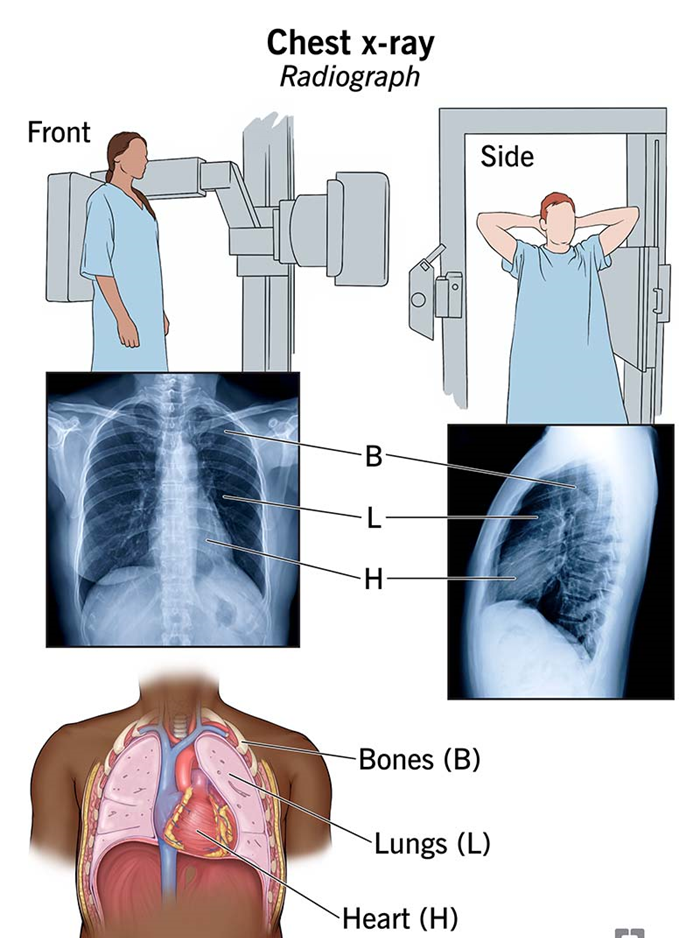
Correct Answer is C
Explanation
Choice A reason: This is not an appropriate action by the staff nurse. The incident report should not be sent to the ethics committee, as it is not a part of the client's record and does not involve ethical issues. The incident report should be sent to the risk management department, which is responsible for identifying and preventing potential hazards and liabilities in the health care setting.
Choice B reason: This is not an appropriate action by the staff nurse. The names of witnesses to the fall should not be listed in the nurses' notes, as they are not relevant to the client's care and may violate confidentiality. The names of witnesses should be included in the incident report, which is a confidential document that is not part of the client's record.
Choice C reason: This is an appropriate action by the staff nurse. The client's account of the fall should be included in the incident report, as it provides valuable information about the circumstances and causes of the fall. The incident report should also include the date, time, location, and description of the fall, the staff members involved, the interventions taken, and the client's condition and response.
Choice D reason: This is not an appropriate action by the staff nurse. The fact that an incident report was filed should not be documented in the client's record, as it may imply negligence or fault and may be used as evidence in a legal case. The incident report is a separate document that is used for quality improvement and risk management purposes.
Whether you are a student looking to ace your exams or a practicing nurse seeking to enhance your expertise , our nursing education contents will empower you with the confidence and competence to make a difference in the lives of patients and become a respected leader in the healthcare field.
Visit Naxlex, invest in your future and unlock endless possibilities with our unparalleled nursing education contents today