
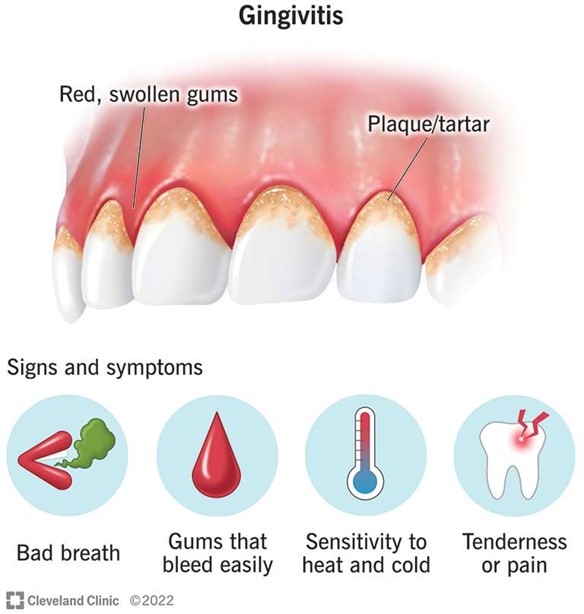
A dentist informs the practical nurse (PN) that she has a family history of cancer and has increased the amount of dairy products in her diet to reduce the risk of gingivitis. How should the PN respond?
Suggest an increase in fruits and vegetables is more beneficial.
Encourage the client to get plenty of exercise as well as the dietary change.
Remind the client to make sure the dairy products are fortified with Vitamin D.
Provide written information about the warning signs of cancer.
Provide written information about the warning signs of cancer.
The Correct Answer is A
In this scenario, the dentist is increasing the amount of dairy products in her diet with the aim of reducing the risk of gingivitis due to her family history of cancer. However, the practical nurse (PN) should respond by suggesting that an increase in fruits and vegetables would be more beneficial.
Fruits and vegetables are rich in essential vitamins, minerals, and antioxidants, which can help support overall oral health and reduce the risk of gingivitis. They provide a wide range of nutrients that are important for maintaining healthy gums and teeth.
While dairy products can contribute to overall dental health due to their calcium content, they should not be solely relied upon as the primary means of preventing gingivitis or reducing the risk of cancer. A well- rounded and balanced diet, including plenty of fruits and vegetables, is essential for optimal oral health.
Options b, c, and d are not directly related to the dentist's concern about gingivitis and the increased consumption of dairy products. Encouraging exercise (option b) is generally beneficial for overall health, but it does not specifically address gingivitis. Reminding the client to ensure dairy products are fortified with vitamin D (option c) is not necessary in this context, as the focus is on preventing gingivitis rather than addressing vitamin D deficiency. Providing written information about the warning signs of cancer (option d) is not directly relevant to the dentist's current situation and concern about gingivitis.
Nursing Test Bank
Naxlex Comprehensive Predictor Exams
Related Questions
Correct Answer is ["A","D"]
Explanation
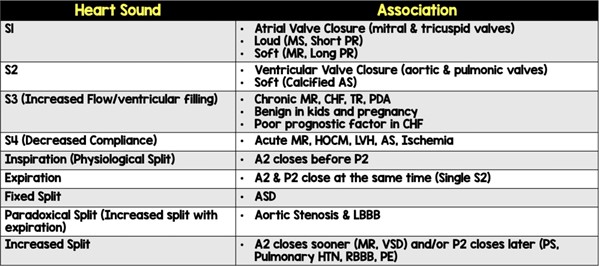
S3 is an extra heart sound that occurs during diastole (the filling phase of the cardiac cycle). It is commonly associated with conditions such as heart failure and volume overload. S3 is often described as a low-frequency, dull, and distant sound heard after S2 (the second heart sound).
B, C- S1, and S2 are the normal heart sounds that are typically heard in all individuals. S1 is the first heart sound, heard as "lub," and is caused by the closure of the mitral and tricuspid valves. S2 is the second heart sound, heard as "dub," and is caused by the closure of the aortic and pulmonic valves. These sounds are normal and expected.
S4 is another abnormal heart sound, which occurs during late diastole and is associated with conditions such as ventricular hypertrophy and reduced ventricular compliance.
Correct Answer is D
Explanation
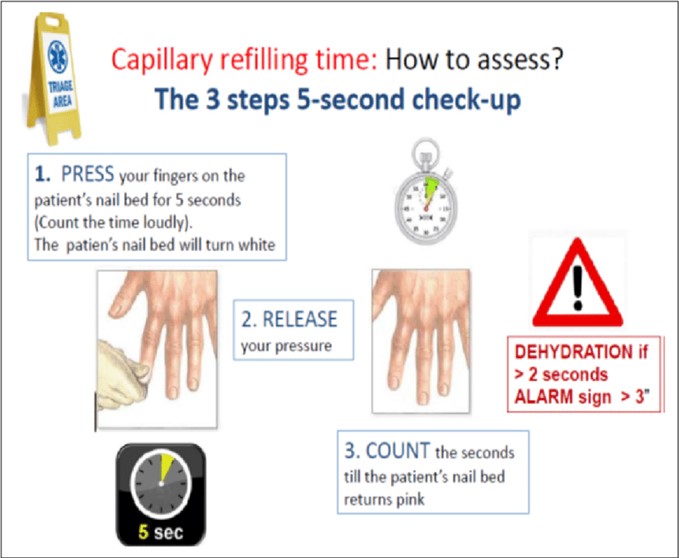
- Capillary refill time is a test that measures how quickly the blood returns to the tissues after pressure is applied and released on a nailbed or a fingertip. It is an indicator of peripheral circulation and tissue perfusion.
- To perform the capillary refill test, the examiner should press firmly on the nailbed or fingertip for a few seconds, then release the pressure and observe how long it takes for the normal color to return. The normal capillary refill time is less than 2 seconds .
- In the photo, the practical nurse (PN) applies and then releases pressure to a client's fingernail. Normal nail color returns in 2 seconds, which indicates a normal capillary refill time and adequate peripheral circulation. This is a normal and expected finding that does not require any further action, except for documentation.
- Therefore, option D is the correct answer, as it reflects the appropriate and standard nursing practice of documenting any assessment findings in the client's chart. Option D also implies that the PN does not need to report, observe, or repeat anything else related to the capillary refill test, as it was done correctly and yielded normal results.
- Options A, B, and C are incorrect answers, as they do not reflect the appropriate or necessary actions for the PN to take after performing a normal capillary refill test.
Whether you are a student looking to ace your exams or a practicing nurse seeking to enhance your expertise , our nursing education contents will empower you with the confidence and competence to make a difference in the lives of patients and become a respected leader in the healthcare field.
Visit Naxlex, invest in your future and unlock endless possibilities with our unparalleled nursing education contents today