
A client who is prescribed lithium carbonate is being discharged from inpatient care. Which medication information should the nurse teach this client?
Have serum lithium levels checked every 6 months.
Adjust the dose if you feel out of control.
Do not reduce normal dietary sodium intake.
Limit fluid intake to 1,000 mL of fluid per day.
The Correct Answer is C
C. Sodium intake can influence lithium excretion and affect serum lithium levels. Maintaining a consistent and adequate sodium intake is important for stabilizing serum lithium levels and optimizing the medication's therapeutic effects.
A. Patients should have their serum lithium levels checked regularly, typically every 3 months, not just every 6 months as suggested.
B. Clients should never adjust their lithium dose without consulting their healthcare provider. Lithium dosage adjustments should be made only under the guidance and supervision of a healthcare professional based on the client's clinical response, serum lithium levels, and overall treatment plan.
D. Adequate hydration is essential for overall health and well-being, and dehydration can increase the risk of lithium toxicity.
Nursing Test Bank
Naxlex Comprehensive Predictor Exams
Related Questions
Correct Answer is B
Explanation
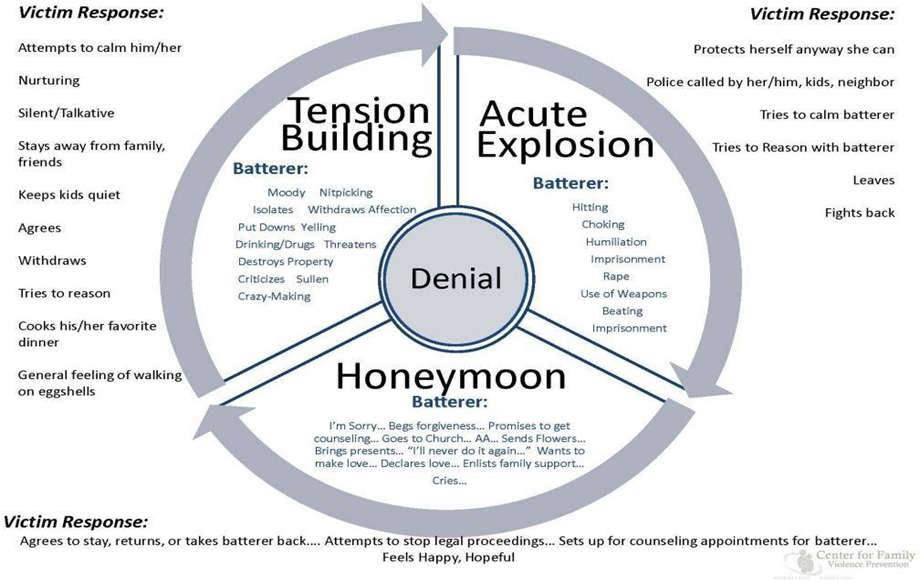
B. The honeymoon phase occurs after the acute battering incident and is characterized by the abuser showing remorse, apologizing, and trying to reconcile with the victim. During this phase, the abuser may express love, affection, and promises to change.
A. This phase is not typically recognized as a distinct phase in the cycle of abuse.
C. The acute battering incident is the phase characterized by the actual physical or emotional abuse. It is the culmination of tension that has been building in the relationship, leading to an explosive and violent incident.
D. The tension-building phase is the initial phase in the cycle of abuse, characterized by increasing tension and conflict between the partners. During this phase, the victim may try to placate the abuser, avoid conflict, or walk on eggshells to prevent escalation.
Correct Answer is C
Explanation
C. Individuals with borderline personality disorder often struggle with intense emotions and may engage in self-harming behaviors as a maladaptive coping mechanism. Helping the client identify triggers for their distress and teaching them alternative coping strategies, such as mindfulness, grounding techniques, or distress tolerance skills, can empower them to manage their emotions in healthier ways.
A. Anxiolytic medications can help alleviate anxiety symptoms but they are not typically the first-line intervention for addressing acute distress in individuals with borderline personality disorder (BPD).
B. Restraint should not be the first response to a client expressing distress or suicidal ideation. Physical restraint should only be used as a last resort in situations where there is an imminent risk of harm to the client or others and should be implemented by trained professionals following established protocols.
D. Encouraging self-harm behaviors reinforces maladaptive coping strategies and can increase the risk of harm to the client. It is essential to provide support and interventions aimed at reducing self-harming behaviors.
Whether you are a student looking to ace your exams or a practicing nurse seeking to enhance your expertise , our nursing education contents will empower you with the confidence and competence to make a difference in the lives of patients and become a respected leader in the healthcare field.
Visit Naxlex, invest in your future and unlock endless possibilities with our unparalleled nursing education contents today