
A client on the mental health unit has disorganized type schizophrenia. The nurse observes blunted affect and social isolation. He occasionally curses or calls another client a "jerk" without provocation. The nurse asks the client how he is feeling, and he responds, "Everybody picks on me. They frobitz me."
The client's communication exhibits
The Correct Answer is {"dropdown-group-1":"A"}
A. Neologisms are new words or expressions created by the individual, often with personal meaning only they understand. "Frobitz" is an example of a neologism.
B. Loose associations involve a lack of logical connection between thoughts and ideas, leading to disjointed or incoherent speech.
C. Delusional thinking involves holding false beliefs that are resistant to reason or contradictory to evidence.
D. Circumstantial speech involves excessive and unnecessary detail before getting to the point of a conversation.
Nursing Test Bank
Naxlex Comprehensive Predictor Exams
Related Questions
Correct Answer is A
Explanation
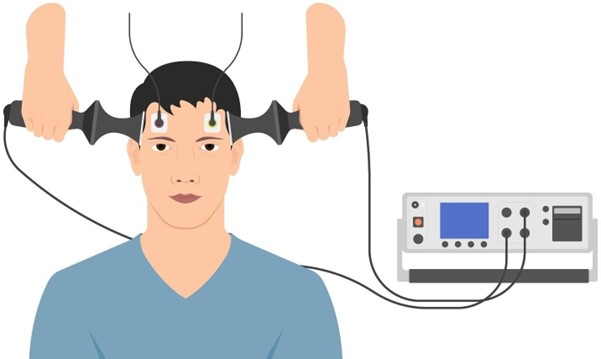
A) Correct. Confusion is a common side effect following ECT. It is usually temporary and gradually resolves.
B) Incorrect. Long-term memory impairment is a potential side effect of ECT, but it is not immediate and is more of a concern with repeated sessions.
C) Incorrect. Feeling full of energy would not be an expected immediate side effect of ECT.
D) Incorrect. Numbness and tingling in the extremities are not typically associated with ECT.
Correct Answer is D
Explanation
A) Incorrect. Delusions of reference involve a belief that everyday events, objects, or other people have a particular and unusual significance. This is not described in the scenario.
B) Incorrect. Tangentiality is a thought disorder where the individual goes off on tangents and never returns to the original point or idea. This is not described in the scenario.
C) Incorrect. Neologism refers to the creation of new words or phrases that have meaning only to the person using them. This is not described in the scenario.
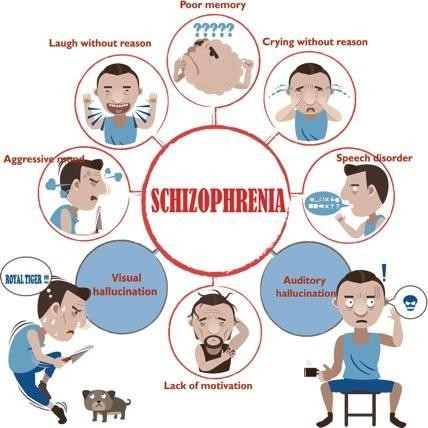
D) Correct. Loose associations are characterized by a disruption in the logical progression of thought, where thoughts become disorganized and may seem unrelated or loosely connected.
Whether you are a student looking to ace your exams or a practicing nurse seeking to enhance your expertise , our nursing education contents will empower you with the confidence and competence to make a difference in the lives of patients and become a respected leader in the healthcare field.
Visit Naxlex, invest in your future and unlock endless possibilities with our unparalleled nursing education contents today