
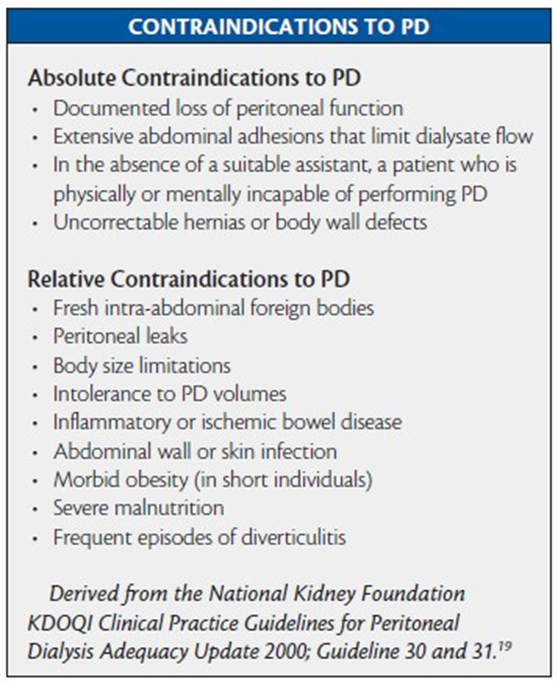
A client is diagnosed with chronic kidney disease and needs to begin dialysis. Which condition entered on the client's medical record should the nurse recognize as a contraindication for peritoneal dialysis?
Type 2 diabetes mellitus.
Nephrotic syndrome history.
Latent hepatitis C
Crohn's disease with colectomy
The Correct Answer is D
A. Type 2 diabetes mellitus
Type 2 diabetes mellitus is not a contraindication for peritoneal dialysis. In fact, peritoneal dialysis can be a suitable option for individuals with diabetes who require renal replacement therapy. However, the presence of diabetes may require additional considerations and close monitoring.
B. Nephrotic syndrome history
Having a history of nephrotic syndrome is not a contraindication for peritoneal dialysis. Peritoneal dialysis can be used in individuals with various causes of chronic kidney disease, including those with nephrotic syndrome.
C. Latent hepatitis C
Latent hepatitis C alone may not be an absolute contraindication for peritoneal dialysis. However, the decision to initiate peritoneal dialysis would depend on the overall health status of the client, the degree of liver involvement, and the risk of infection. Close monitoring and appropriate precautions may be necessary.
D. Crohn's disease with colectomy
Crohn's disease with colectomy is considered a contraindication for peritoneal dialysis. Surgical alterations in the abdomen, such as colectomy, can lead to adhesions or other complications that may interfere with the effectiveness of peritoneal dialysis. In such cases, alternative forms of dialysis, such as hemodialysis, may be considered.
Nursing Test Bank
Naxlex Comprehensive Predictor Exams
Related Questions
Correct Answer is A
Explanation
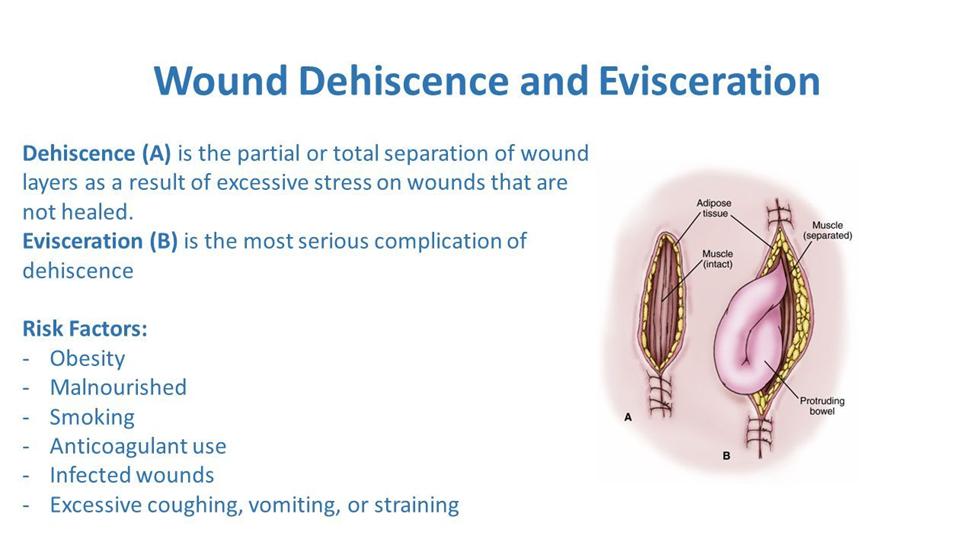
A. Prepare the client to return to the operating room:
This is the correct and immediate priority. Evisceration, where internal organs protrude through the surgical incision, is a surgical emergency. Returning the client to the operating room is necessary to assess the extent of the complication, address the wound dehiscence, and protect the exposed organs. This intervention aims to prevent further complications and provide necessary surgical interventions.
B. Obtain a sample of the drainage to send to the lab:
While obtaining samples for laboratory analysis can be important for infection control, in the context of a client with evisceration, the primary concern is the surgical emergency. The priority is to address the wound complication by returning to the operating room rather than focusing on laboratory analysis at this immediate moment.
C. Bring additional sterile dressing supplies to the room:
While bringing additional supplies may be necessary, the priority in this situation is to prepare for the client's return to the operating room. Once the client is in a controlled surgical environment, additional dressing changes and wound care can be performed as needed.
D. Auscultate the abdomen for bowel sound activity:
While monitoring bowel sounds is a routine nursing assessment, in the context of evisceration, the immediate concern is the exposure of internal organs and the risk of infection. Preparing for the operating room takes precedence over routine assessments.
Correct Answer is D
Explanation
A. Eat a diet high in carotene:
While a healthy diet is important for overall well-being, there is no evidence to suggest that a diet high in carotene specifically prevents or treats glaucoma. The focus in glaucoma management is on intraocular pressure control.
B. Wear prescription glasses:
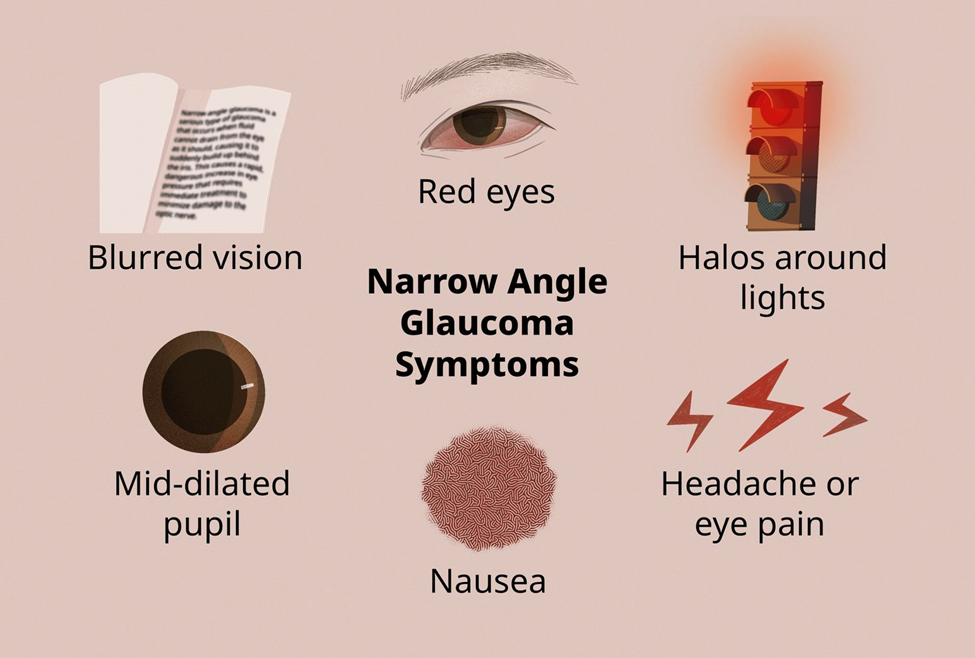
Prescription glasses may be beneficial for addressing refractive errors, but they do not specifically address the management of glaucoma. The client's concern about driving through a tunnel is more likely related to changes in peripheral vision associated with glaucoma.
C. Avoid frequent eye pressure measurements:
This is not the most important instruction. Monitoring intraocular pressure is a crucial aspect of glaucoma management, and the frequency of measurements is determined by the healthcare provider. Regular monitoring helps assess the effectiveness of treatment and disease progression.
D. Maintain the prescribed eye drop regimen:
This is the correct answer. The most important instruction for the client is to adhere to the prescribed eye drop regimen. Medications, often in the form of eye drops, are commonly used to lower intraocular pressure and manage glaucoma. Consistent use of prescribed medications is critical for controlling the condition and preventing further vision loss.
Whether you are a student looking to ace your exams or a practicing nurse seeking to enhance your expertise , our nursing education contents will empower you with the confidence and competence to make a difference in the lives of patients and become a respected leader in the healthcare field.
Visit Naxlex, invest in your future and unlock endless possibilities with our unparalleled nursing education contents today