
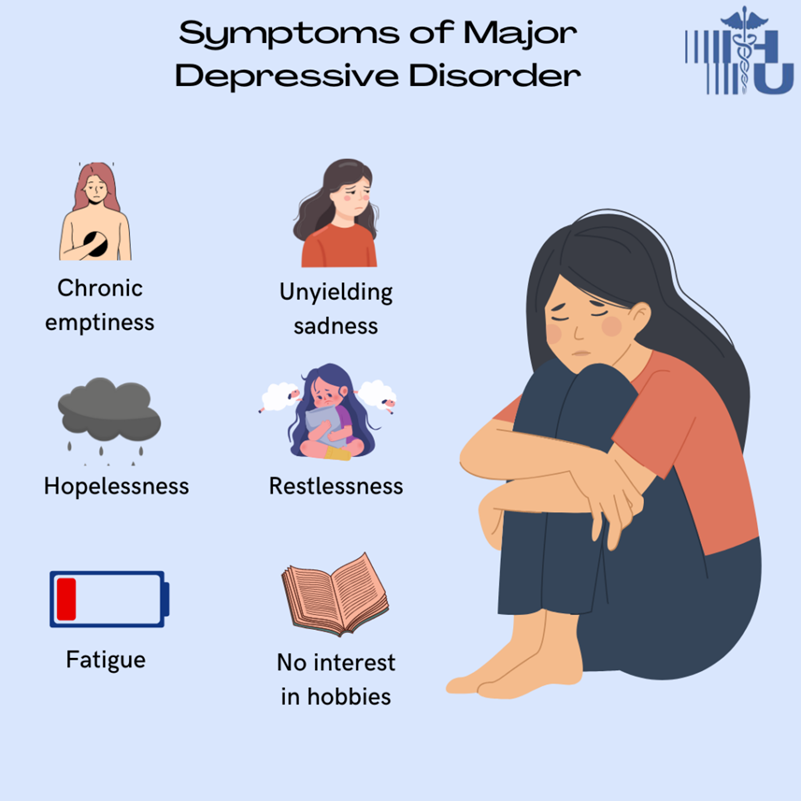
A client diagnosed with major depressive disorder tells the nurse that he and his family would be better off if he were gone. Which of the following is the nurse's priority response?
"Do you really think your family would be better off without you?"
"Tell me what is happening right now."
"When did you first start feeling this way?"
"Are you thinking of harming yourself?"
The Correct Answer is D
Choice A reason:
Asking the client if they really think their family would be better off without them could potentially validate the client's feelings of worthlessness and is not a priority when immediate safety concerns are present.
Choice B reason:
While it's important to understand the client's current situation, this open-ended question may not directly address the risk of harm the client might pose to themselves. It should follow after ensuring the client's safety.
Choice C reason:
Inquiring about the onset of these feelings is part of a thorough assessment but is not the most immediate concern when a client expresses thoughts that may indicate a risk of self-harm.
Choice D reason:
This direct question addresses the immediate safety concern and is the priority response when a client indicates they may be a danger to themselves. It is essential to assess for suicidal ideation directly to take appropriate steps to ensure the client's safety.
Nursing Test Bank
Naxlex Comprehensive Predictor Exams
Related Questions
Correct Answer is D
Explanation
Choice A reason:
Asking the client if they really think their family would be better off without them could potentially validate the client's feelings of worthlessness and is not a priority when immediate safety concerns are present.
Choice B reason:
While it's important to understand the client's current situation, this open-ended question may not directly address the risk of harm the client might pose to themselves. It should follow after ensuring the client's safety.
Choice C reason:
Inquiring about the onset of these feelings is part of a thorough assessment but is not the most immediate concern when a client expresses thoughts that may indicate a risk of self-harm.
Choice D reason:
This direct question addresses the immediate safety concern and is the priority response when a client indicates they may be a danger to themselves. It is essential to assess for suicidal ideation directly to take appropriate steps to ensure the client's safety.
Correct Answer is A
Explanation
Choice A reason:
Respiratory depression/arrest is a well-documented risk associated with heroin use. Heroin is an opioid that can significantly depress the central nervous system, leading to slowed or stopped breathing. This can result in hypoxia, a condition where not enough oxygen reaches the brain, which can be fatal.
Choice B reason:
Acute pancreatitis is not typically associated directly with heroin use. While substance use can lead to various health complications, acute pancreatitis is more commonly associated with alcohol abuse rather than opioids like heroin.
Choice C reason:
Nasal septum perforation is a potential risk for individuals who snort heroin. The repeated irritation and damage to the mucosal tissues in the nose can lead to a perforation of the nasal septum, the tissue that separates the nasal passages.
Choice D reason:
Permanent short-term memory loss is not a commonly reported direct effect of heroin use. While chronic use of heroin can lead to cognitive deficits and deterioration of white matter in the brain, which affects decision-making and behavior regulation, it does not specifically cause permanent short-term memory loss.

Whether you are a student looking to ace your exams or a practicing nurse seeking to enhance your expertise , our nursing education contents will empower you with the confidence and competence to make a difference in the lives of patients and become a respected leader in the healthcare field.
Visit Naxlex, invest in your future and unlock endless possibilities with our unparalleled nursing education contents today