
While reviewing a newborn's medical record, the nurse notes that the chest X-ray shows a ground glass pattern. The nurse interprets this as indicative of.
asphyxia.
persistent pulmonary hypertension.
transient tachypnea of the newborn.
respiratory distress syndrome.
The Correct Answer is D
A. Asphyxia would typically manifest differently on a chest X-ray, possibly showing signs of lung collapse or consolidation.
B. Persistent pulmonary hypertension may present with other radiographic findings, such as enlargement of the heart or signs of pulmonary edema.
C. Transient tachypnea of the newborn might not produce a distinct ground glass pattern on chest X-ray.
D. Ground glass appearance on a chest X-ray is commonly associated with respiratory distress syndrome, a condition characterized by inadequate surfactant production in premature infants.
Nursing Test Bank
Naxlex Comprehensive Predictor Exams
Related Questions
Correct Answer is D
Explanation
A. Teens who date frequently may experience fluctuations in self-esteem and autonomy, but it is not a universal trend and depends on various factors.
B. While mixed-sex group activities are common, many late adolescents do engage in dating relationships as couples.
C. Homosexual behavior during adolescence does not necessarily predict sexual orientation in adulthood, as sexual orientation can evolve over time.
D. Research indicates that by late adolescence, most teens have experienced at least one romantic relationship, whether short-term or long-term, reflecting a common developmental milestone.
Correct Answer is ["B","C","D","E"]
Explanation
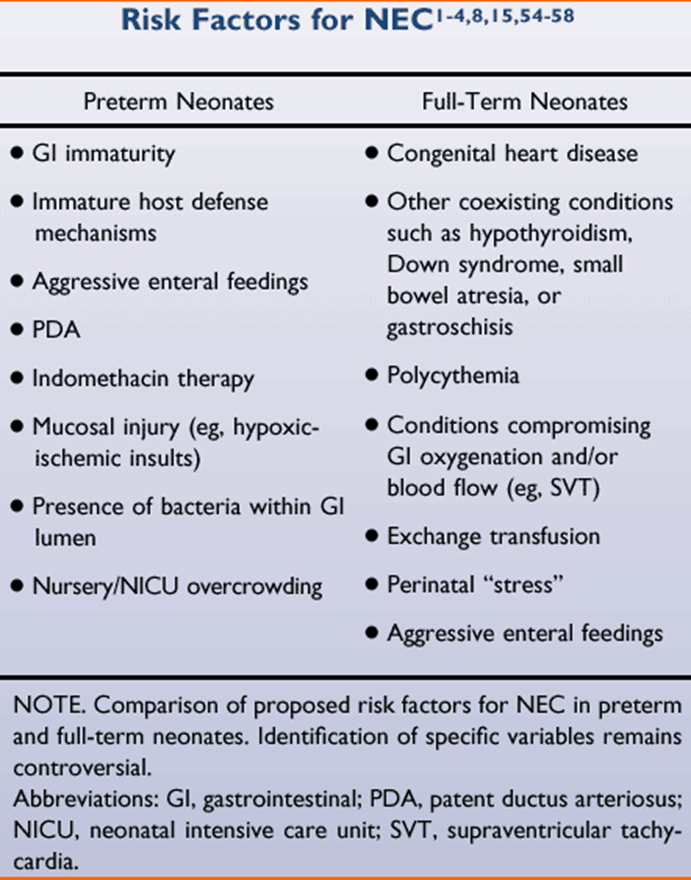
A. Hyperthermia is not typically associated with an increased risk of necrotizing enterocolitis.
B. Low Apgar scores indicate that the baby had difficulty adapting to life outside the womb and may have suffered from hypoxia or acidosis.
C. Preterm birth is a significant risk factor for necrotizing enterocolitis.
D. Respiratory distress syndrome is associated with prematurity and is a risk factor for necrotizing enterocolitis.
E. Exchange transfusion, a procedure often performed in neonates with severe jaundice or anemia, is associated with an increased risk of necrotizing enterocolitis.
F. Hyperglycemia is not typically associated with an increased risk of necrotizing enterocolitis.
Whether you are a student looking to ace your exams or a practicing nurse seeking to enhance your expertise , our nursing education contents will empower you with the confidence and competence to make a difference in the lives of patients and become a respected leader in the healthcare field.
Visit Naxlex, invest in your future and unlock endless possibilities with our unparalleled nursing education contents today