
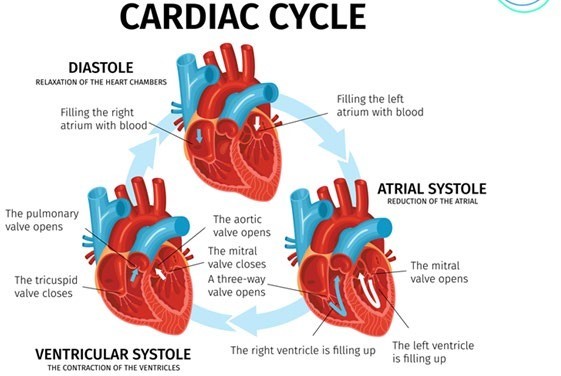
Which of the following terms describes the relaxation of the chambers of the heart during the cardiac cycle?
Tachycardia
Diastole
Systole
Bradycardia
The Correct Answer is B
The relaxation of the chambers of the heart during the cardiac cycle is called diastole. The cardiac cycle is a sequence of events that occurs when the heart beats ². It consists of two phases: systole, when the heart contracts and pumps blood into circulation, and diastole when the heart relaxes and fills with blood.
The other options are not correct because they do not accurately describe the relaxation of the chambers of the heart during the cardiac cycle. Tachycardia is a rapid heart rate, bradycardia is a slow heart rate, and systole is the contraction of the heart chambers.
Nursing Test Bank
Naxlex Comprehensive Predictor Exams
Related Questions
Correct Answer is D
Explanation
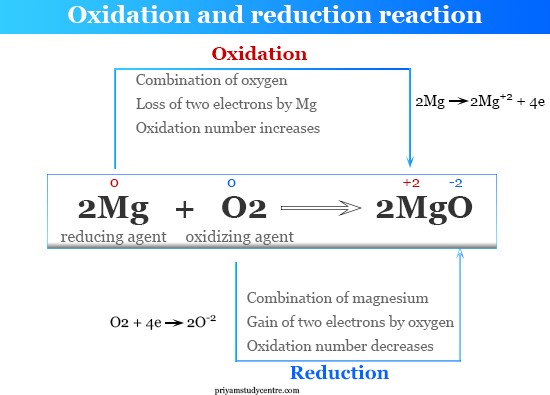
An oxidation reaction occurs when there is a removal of electrons. Oxidation is the loss of electrons during a reaction by a molecule, atom, or ion. When oxidation occurs, the oxidation state of the chemical species increases.
The other options are not correct because they do not accurately describe what occurs in an oxidation reaction. Removal of oxygen, addition of carbon, and addition of neutrons are not processes that occur in an oxidation reaction.
Correct Answer is D
Explanation
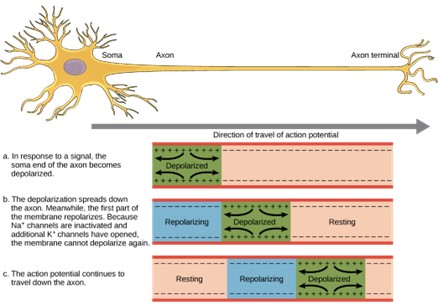
The opening of potassium channels allows potassium to leave the neuron. Repolarization of a neuron occurs after an action potential when the neuron's membrane potential returns to its resting state. This is achieved by the opening of potassium channels, which allows potassium ions to flow out of the neuron. This movement of positively charged ions out of the neuron helps to restore the negative membrane potential.
A. The inhibition of sodium and potassium pumps would not allow for repolarization because these pumps are necessary for maintaining the resting membrane potential.
B. The opening of sodium channels would cause depolarization, not repolarization.
C. The closing of both sodium and potassium channels would restrict ion movement, but it would not allow for repolarization.
Whether you are a student looking to ace your exams or a practicing nurse seeking to enhance your expertise , our nursing education contents will empower you with the confidence and competence to make a difference in the lives of patients and become a respected leader in the healthcare field.
Visit Naxlex, invest in your future and unlock endless possibilities with our unparalleled nursing education contents today