
Which of the following are essential in the care for a patient with incontinence-associated dermatitis? (SELECT ALL THAT APPLY)
apply warm compresses to relieve discomfort
check the client's skin for moisture at least q 2 hrs
use a moisture barrier product after cleansing
decrease oral intake in early morning
dry the skin with a vigorous motion to promote circulation
Correct Answer : A,B,C
A. Applying warm compresses can help relieve discomfort
B. Regular monitoring of skin moisture is crucial in managing IAD. Moist skin is more susceptible to breakdown, so frequent checks allow for prompt intervention, such as changing incontinence products or applying protective barriers.
C. Applying a moisture barrier product after cleansing helps protect the skin from moisture and irritants found in urine or feces. These products create a protective barrier that can prevent further damage and promote healing of already affected skin. This is essential in managing IAD.
D There is no clinical
Rationale to decrease oral intake in the early morning specifically for managing IAD. Hydration is important for overall skin health, and reducing oral intake without medical indication could lead to dehydration, which may worsen skin condition.
E. Vigorous drying of the skin is not recommended as it can exacerbate skin irritation and damage. Instead, gentle patting or air drying is preferred to avoid further trauma to the already compromised skin.
Nursing Test Bank
Naxlex Comprehensive Predictor Exams
Related Questions
Correct Answer is A
Explanation
A. The pulmonic valve is best auscultated at the second intercostal space (ICS) on the left sternal border. This is where the area corresponding to the pulmonic valve is most accurately heard due to the anatomical positioning of the heart.
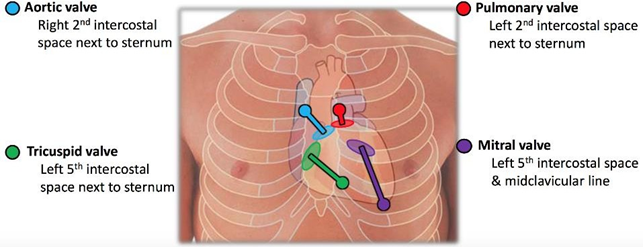
B. This area does not correspond to any valvular area.
C. This location corresponds to the aortic valve, not the pulmonic valve. The aortic valve is best auscultated at the second ICS, right sternal border.
D. This location corresponds to the tricuspid valve, not the pulmonic valve. The tricuspid valve is best auscultated at the fourth or fifth ICS along the left sternal border.
Correct Answer is A
Explanation
A. This is the most direct and appropriate question to assess for dysuria. Dysuria is characterized by pain, discomfort, or burning sensation during urination. Asking this question helps the nurse to directly assess if the client is experiencing these symptoms.
B. This question is more relevant for assessing urinary frequency rather than dysuria. It is important for assessing other urinary symptoms but does not specifically address the characteristic pain or discomfort associated with dysuria.
C. This question is pertinent for assessing urinary retention or incomplete emptying of the bladder, which are different concerns from dysuria. It evaluates the client's perception of bladder emptying rather than pain or discomfort during urination.
D. This question is more relevant for assessing urinary hesitancy or urgency, which are related to bladder function but are not specific to dysuria. It addresses issues with urine flow dynamics rather than pain or discomfort during urination.
Whether you are a student looking to ace your exams or a practicing nurse seeking to enhance your expertise , our nursing education contents will empower you with the confidence and competence to make a difference in the lives of patients and become a respected leader in the healthcare field.
Visit Naxlex, invest in your future and unlock endless possibilities with our unparalleled nursing education contents today