
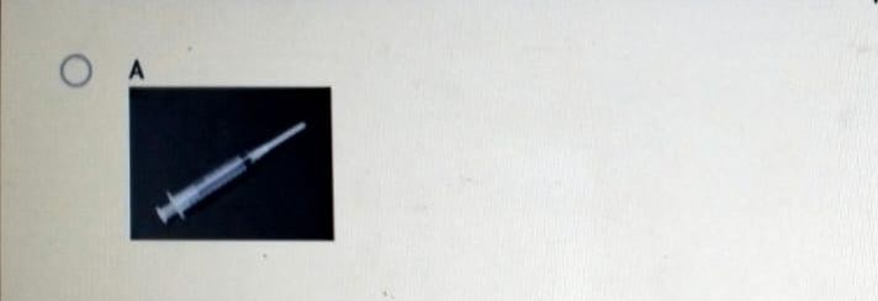
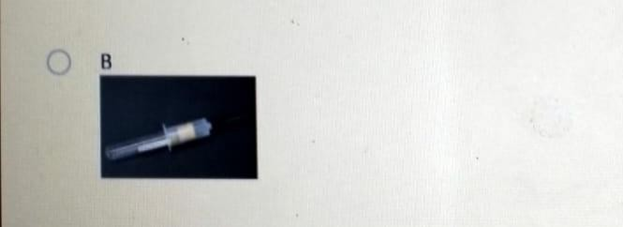
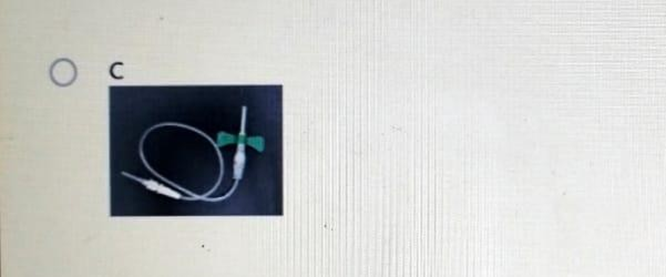
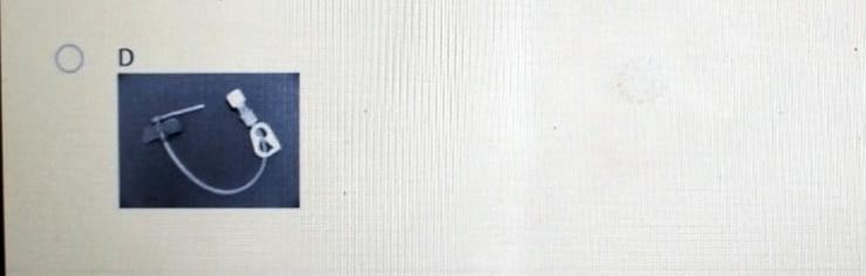
Which needle should the nurse use to administer IV fluids via a client's implanted port?
A
B
C
D
The Correct Answer is D
A. this is a syringe for administration of small amounts of fluids and medications
B. the syringe administers smaller volumes of IV fluids
C. connecting tubing for administration of IV fluids of peripheral access
D. Connecting tubing that can be used on implanted ports.
Nursing Test Bank
Naxlex Comprehensive Predictor Exams
Related Questions
Correct Answer is C
Explanation
A. Encouraging the client to participate in group activities may be beneficial but may not address the immediate need for increased communication and engagement.
B. Scheduling a daily conference with the social worker may provide support but may not directly address the client's withdrawal and noncommunicative behavior.
C. Engaging the client in non-threatening conversations is important to assess the client's current emotional state, understand the reasons for withdrawal, and provide support and encouragement for communication and interaction.
D. Encouraging the client's family to visit more often may be helpful for social support, but it may not address the underlying issue of the client's withdrawal and noncommunicative behavior.
Correct Answer is B
Explanation
A. Connecting the nasogastric tube to high continuous suction without further assessment or intervention is not appropriate and could exacerbate the situation.
B. Clamping the nasogastric tube and contacting the healthcare provider is the correct action. "Coffee ground" drainage can indicate the presence of blood in the stomach, which may require further evaluation and intervention by the healthcare provider.
C. Connecting the nasogastric tube to suction as prescribed without addressing the presence of "coffee ground" drainage is not appropriate. It's important to assess the significance of this finding before proceeding with suctioning.
D. Immediately removing and then reinserting the nasogastric tube may not be necessary and could increase the risk of trauma or complications. It's important to assess the situation further and involve the healthcare provider in decision-making.
Whether you are a student looking to ace your exams or a practicing nurse seeking to enhance your expertise , our nursing education contents will empower you with the confidence and competence to make a difference in the lives of patients and become a respected leader in the healthcare field.
Visit Naxlex, invest in your future and unlock endless possibilities with our unparalleled nursing education contents today