
When a client with a personality disorder uses self-destructive behavior as a way of getting needs met, the staff observe the behavior closely because:
It is required to ensure the safety of the client and others.
It indulges the client’s wishes.
It provides an outlet for feelings of anger and frustration.
The client’s anger and anxiety will be decreased if staff assume responsibility for the client’s behavior.
The Correct Answer is A
Choice A Reason:
When a client with a personality disorder engages in self-destructive behavior, it is crucial for the staff to observe this behavior closely to ensure the safety of both the client and others around them. Self-destructive behaviors can include actions such as self-harm, substance abuse, or reckless activities that pose a significant risk to the individual’s well-being. By monitoring these behaviors, staff can intervene promptly to prevent harm and provide necessary support. Ensuring safety is a fundamental aspect of care in mental health settings, as it helps to stabilize the client and create a secure environment for their treatment and recover.
Choice B Reason:
Indulging the client’s wishes is not a recommended approach when dealing with self-destructive behavior. While it is important to understand and validate the client’s feelings, indulging their wishes can reinforce negative behaviors and hinder their progress towards healthier coping mechanisms. Instead, staff should focus on providing appropriate interventions and support that address the underlying issues contributing to the self-destructive behavior. This approach helps the client develop more constructive ways of meeting their needs and managing their emotions.
Choice C Reason:
While self-destructive behavior may provide a temporary outlet for feelings of anger and frustration, it is not a healthy or sustainable way to cope with these emotions. Encouraging or allowing such behavior can lead to further harm and exacerbate the client’s mental health issues. Staff should work with the client to identify and implement healthier coping strategies that effectively address their emotional needs without causing harm. This can include therapeutic interventions, counseling, and skills training to help the client manage their anger and frustration in more constructive ways.
Choice D Reason:
Assuming responsibility for the client’s behavior is not an effective way to reduce their anger and anxiety. In fact, it can create a dependency on staff and prevent the client from developing their own coping skills and sense of autonomy. It is important for staff to support the client in taking responsibility for their actions and learning how to manage their emotions independently. This empowerment is a key component of the therapeutic process and contributes to the client’s long-term recovery and well-being.
Nursing Test Bank
Naxlex Comprehensive Predictor Exams
Related Questions
Correct Answer is ["2"]
Explanation
Step 1: Identify the dosage required and the concentration available.
- Required dosage: 40 mg
- Available concentration: 20 mg/mL
Step 2: Calculate the volume to be administered.
- Volume to be administered = Required dosage ÷ Available concentration
- Volume to be administered = 40 mg ÷ 20 mg/mL
Step 3: Perform the division.
- Volume to be administered = 40 ÷ 20
- Volume to be administered = 2 mL
Step 4: Round the answer to the nearest whole number (if necessary).
- Volume to be administered = 2 mL (no rounding needed)
The nurse should administer 2 mL.
Correct Answer is B
Explanation
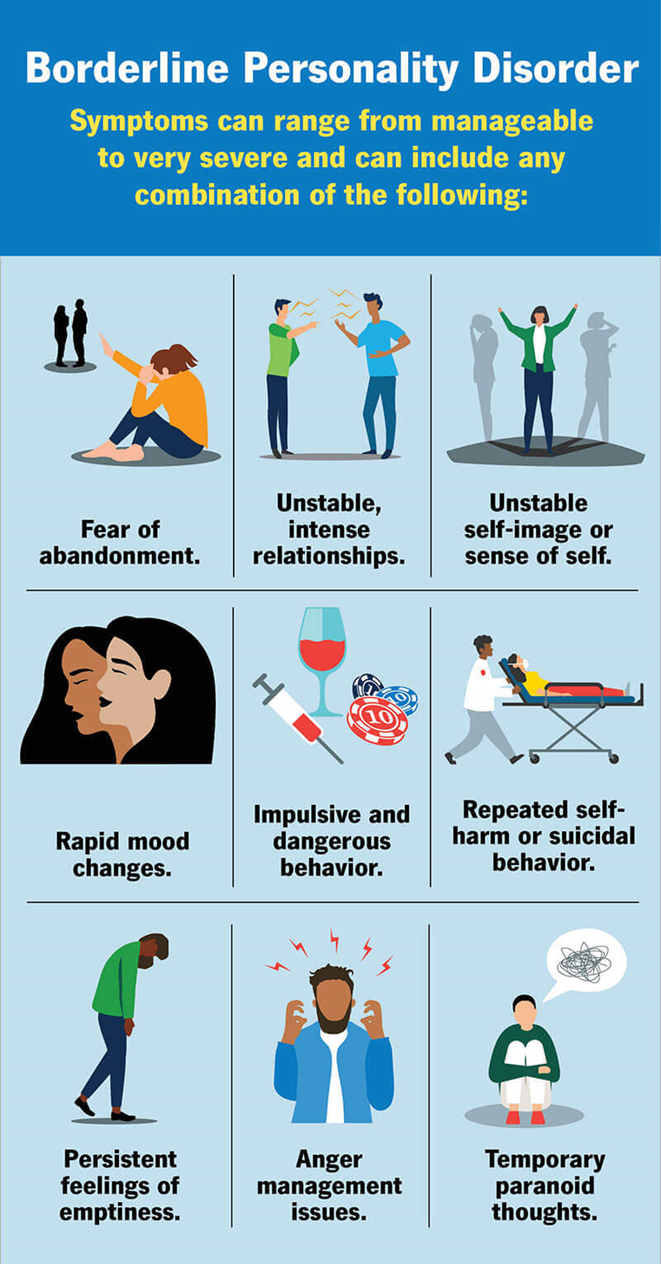
The correct answer is b. Generates conflict among the staff.
Choice A Reason:
Bizarre speech patterns are not typically associated with borderline personality disorder (BPD). BPD is characterized by intense emotional responses, unstable relationships, and impulsive behaviors. While individuals with BPD may exhibit erratic behavior, bizarre speech patterns are more commonly linked to disorders such as schizophrenia.
Choice B Reason:
Generating conflict among the staff is a behavior pattern often observed in individuals with borderline personality disorder. People with BPD may have difficulty maintaining stable relationships and can exhibit manipulative behaviors, leading to conflicts. This behavior stems from their intense fear of abandonment and efforts to avoid real or perceived rejection.
Choice C Reason:
Social isolation is not a primary characteristic of borderline personality disorder. While individuals with BPD may experience intense and unstable relationships, they typically do not isolate themselves socially. Instead, they may engage in intense and tumultuous interactions with others.
Choice D Reason:
Suspiciousness of others is more commonly associated with paranoid personality disorder rather than borderline personality disorder. While individuals with BPD may have trust issues and fear abandonment, their behavior is more characterized by emotional instability and impulsive actions rather than pervasive suspiciousness.
Whether you are a student looking to ace your exams or a practicing nurse seeking to enhance your expertise , our nursing education contents will empower you with the confidence and competence to make a difference in the lives of patients and become a respected leader in the healthcare field.
Visit Naxlex, invest in your future and unlock endless possibilities with our unparalleled nursing education contents today