
What is the difference between a physical change and a chemical change?
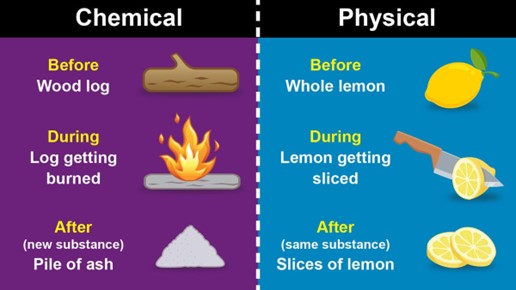
A physical change involves the rearrangement of atoms and molecules while a chemical change involves the formation of new substances with different chemical properties.
A physical change involves the change of one state of matter to another while a chemical change involves
the change of one substance into another.
A physical change involves the breaking of chemical bonds while a chemical change involves the breaking of intermolecular forces.
The Correct Answer is A
A physical change is a change that affects the physical properties of a substance but does not change its chemical identity. Physical changes include changes in state, such as melting or boiling, changes in shape or size, and changes in phase, such as the dissolution of a solid in a liquid. In a physical change, the atoms and molecules of the substance are rearranged, but no new substances are formed.
A chemical change, on the other hand, is a change that results in the formation of new substances with different chemical properties. Chemical changes involve the breaking of chemical bonds between atoms and the formation of new bonds to create new compounds. Chemical changes are usually accompanied by a change in color, the formation of a gas or a solid, or the release or absorption of energy.
Overall, the main difference between a physical change and a chemical change is that a physical change only affects the physical properties of a substance while a chemical change results in the formation of new substances with different chemical properties.
Nursing Test Bank
Naxlex Comprehensive Predictor Exams
Related Questions
Correct Answer is A
Explanation
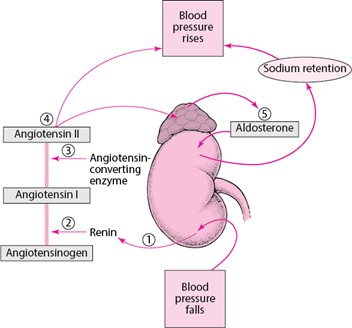
Renin is an enzyme that is produced by the kidneys and it acts to elevate blood pressure. When blood pressure falls, the kidneys secrete renin into the bloodstream
Correct Answer is D
Explanation
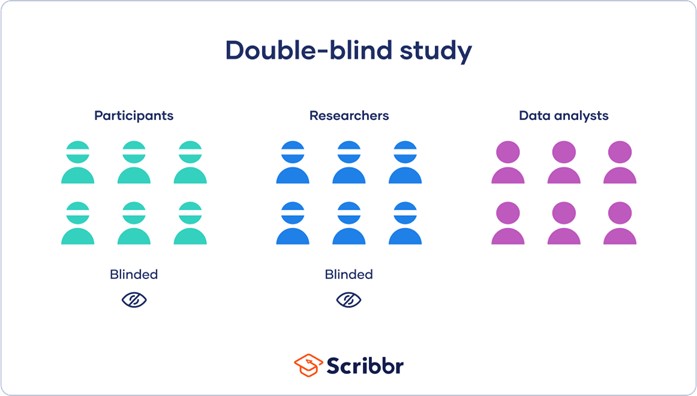
A double-blind study is a research design in which neither the participants nor the researchers know which group participants are assigned to. This is done to minimize bias and ensure that the results of the study are as objective as possible. In a double-blind study, the treatment and control groups are randomly assigned, and the participants and researchers are unaware of which group each participant is assigned to. Option a) is an example of a randomized controlled trial, which is a common research design, but it is not necessarily double-blind. Option b) is an example of an open-label study, in which both the participants and the researchers know which group each participant is assigned to. Option c) is an example of a single-blind study, in which the participants do not know which group they are assigned to, but the researchers do.
Whether you are a student looking to ace your exams or a practicing nurse seeking to enhance your expertise , our nursing education contents will empower you with the confidence and competence to make a difference in the lives of patients and become a respected leader in the healthcare field.
Visit Naxlex, invest in your future and unlock endless possibilities with our unparalleled nursing education contents today