
What is the function of ribosomes in a cell?
To produce energy for the cell
To store genetic information
To transport molecules within the cell
To synthesize proteins in the cell
The Correct Answer is D
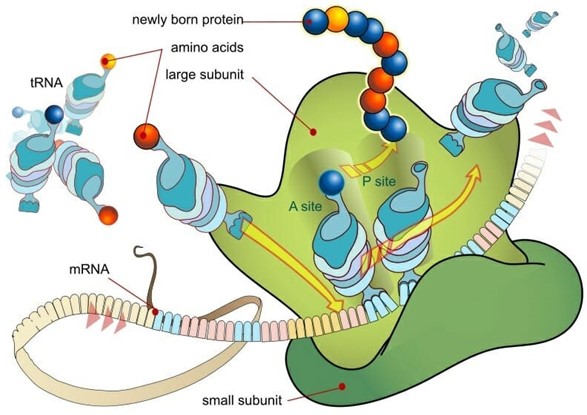
Ribosomes are small, spherical structures found in all living cells, including bacteria, archaea, and eukaryotes. Their primary function is to synthesize proteins using the genetic information stored in the cell's DNA. Ribosomes are composed of two subunits, one large and one small, that come together during protein synthesis.
Ribosomes read the genetic information stored in mRNA (messenger RNA) and use this information to assemble amino acids in the correct order to form a protein. The ribosome moves along the mRNA, adding one amino acid at a time to the growing protein chain until it reaches the end of the mRNA and the protein is complete.
Proteins are essential for a wide variety of cellular functions, including catalyzing chemical reactions, providing structural support, and transporting molecules across cell membranes. Therefore, ribosomes play a critical role in the overall function and survival of a cell.
Nursing Test Bank
Naxlex Comprehensive Predictor Exams
Related Questions
Correct Answer is B
Explanation
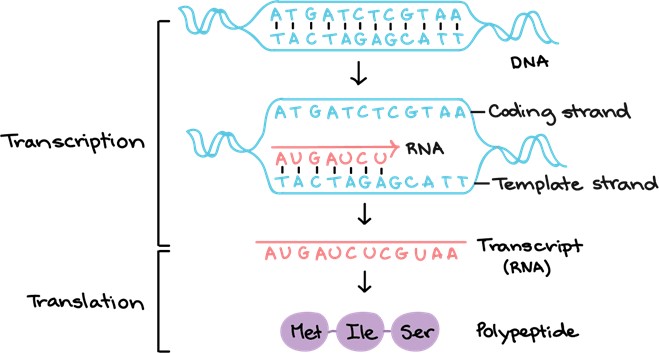
Transcription is the process by which DNA is copied into RNA. During transcription, the DNA molecule unwinds and RNA polymerase reads the DNA sequence and synthesizes a complementary RNA molecule using the DNA as a template.
Correct Answer is A
Explanation
Innate immunity is the first line of defense against pathogens and is present at birth. It provides immediate, non-specific protection against a wide range of pathogens, including bacteria, viruses, and fungi. Innate immunity involves physical barriers, such as skin and mucous membranes, as well as cellular and molecular components, such as phagocytes and cytokines.
Adaptive immunity, on the other hand, is developed over time and provides specific protection against particular pathogens. It involves the recognition of antigens, which are specific components of pathogens, by immune cells called lymphocytes. The lymphocytes then produce antibodies that are specific to the antigens, allowing for a targeted response to the pathogen. This process takes time to develop, as the immune system needs to encounter the pathogen and mount a response.
Overall, innate immunity provides immediate, non-specific protection while adaptive immunity provides specific protection that is tailored to the particular pathogen. Both forms of immunity work together to protect the body against pathogens.
Whether you are a student looking to ace your exams or a practicing nurse seeking to enhance your expertise , our nursing education contents will empower you with the confidence and competence to make a difference in the lives of patients and become a respected leader in the healthcare field.
Visit Naxlex, invest in your future and unlock endless possibilities with our unparalleled nursing education contents today