
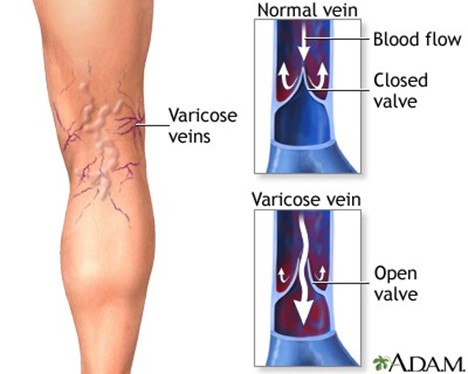
What changes in veins occur to create varicose veins
An increase in osmotic pressure
Damage to the valves within the veins
Damage to the venous endothelium
An increase in hydrostatic pressure
The Correct Answer is B
Varicose veins occur when the valves within the veins, which normally prevent the backflow of blood, become damaged or weakened, allowing blood to pool and the veins to become enlarged and twisted. This can occur due to a variety of factors, including age, pregnancy, obesity, genetics, and prolonged periods of standing or sitting. An increase in hydrostatic pressure can contribute to the development of varicose veins, but it is not the primary cause.
Nursing Test Bank
Naxlex Comprehensive Predictor Exams
Related Questions
Correct Answer is C
Explanation
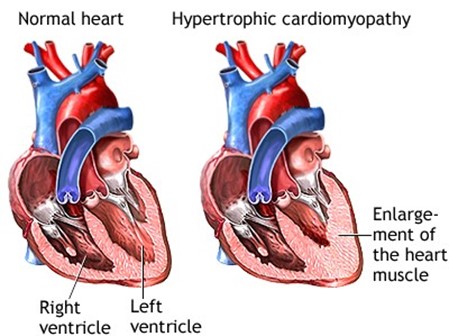
Hypertension, or high blood pressure, is a major risk factor for the development of left ventricular hypertrophy (LVH), which is characterized by thickening of the myocardium (heart muscle). LVH occurs in response to increased afterload (the resistance the heart has to pump against), which is a common feature of hypertension.
Angiotensin II, a hormone that is activated in response to hypertension, is a major mediator of LVH in this setting. Angiotensin II causes vasoconstriction (narrowing of blood vessels) and promotes the retention of salt and water, which increases blood volume and pressure. Additionally, angiotensin II stimulates the proliferation of cardiac myocytes (heart muscle cells) and the synthesis of extracellular matrix proteins, leading to hypertrophy and fibrosis of the myocardium.
Other factors that may contribute to LVH in hypertension include increased sympathetic nervous system activity, oxidative stress, and inflammation. However, angiotensin II is considered a key mediator of this process, and drugs that block the renin-angiotensin-aldosterone system (RAAS), such as angiotensinconverting enzyme (ACE) inhibitors and angiotensin receptor blockers (ARBs), are often used to treat hypertension and reduce the risk of LVH and other cardiovascular complications.
Correct Answer is C
Explanation
Hyperventilation refers to an increased rate and depth of breathing, which results in excessive elimination of carbon dioxide (CO2) from the body. Carbon dioxide is an acidic gas that helps regulate the pH of the blood. When too much CO2 is lost through hyperventilation, it causes a decrease in the partial pressure of carbon dioxide in the blood (PaCO2), leading to a condition called hypocapnia.
Hypocapnia can cause symptoms such as lightheadedness, dizziness, and tingling in the fingers and toes.
Whether you are a student looking to ace your exams or a practicing nurse seeking to enhance your expertise , our nursing education contents will empower you with the confidence and competence to make a difference in the lives of patients and become a respected leader in the healthcare field.
Visit Naxlex, invest in your future and unlock endless possibilities with our unparalleled nursing education contents today