
The school nurse is teaching parents about the effects of bullying on school children.
What accurately describes this developmental concern?
Children with health issues, such as, disabilities, obesity, and food allergies, are at a decreased risk of being bullied.
Both boys and girls are bullied; boys usually bully boys and use force more often.
Children who bully are those who report themselves as being lonely and having difficulty in forming friendships.
In general, about 20% of all children attending school are frightened and afraid most of the day.
The Correct Answer is B
A. Children with health issues may actually be at an increased risk of being bullied due to differences in appearance or ability.
B. Both boys and girls are bullied, but they may experience different types of bullying. Boys usually bully boys and use physical force more often, while girls may bully girls or boys and use verbal or relational aggression more often.
C. Children who bully are not necessarily those who are lonely or have difficulty in forming friendships. Some children who bully may have high self-esteem, popularity, or social power. They may bully to dominate, control, or impress others.
D. This statement may not accurately reflect the prevalence of fear among school children and does not address the developmental concern of bullying.
Nursing Test Bank
Naxlex Comprehensive Predictor Exams
Related Questions
Correct Answer is A
Explanation
A. Before answering questions, it's important to understand what the child already knows or thinks about the subject to provide developmentally appropriate information.
B. Expanding upon the topic when answering questions may overwhelm the child with too much information and may not be developmentally appropriate.
C. Providing a less than honest response may undermine trust between the parent and child and may not adequately address the child's curiosity or concerns.
D. Waiting until the child asks about a topic may miss opportunities for proactive, age-appropriate education and guidance.
Correct Answer is A
Explanation
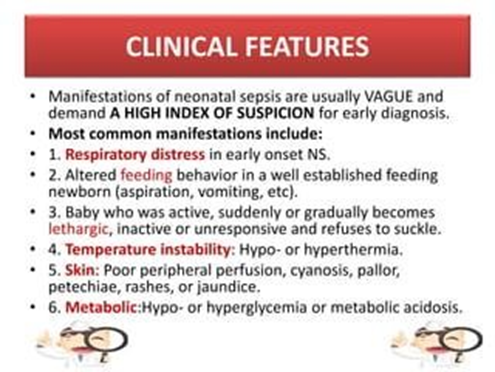
A. Correct. Temperature instability, including fever or hypothermia, can be a sign of sepsis in newborns, as it reflects the body's response to infection.
B. Increased urinary output is not typically associated with sepsis in newborns and may have other causes, such as adequate fluid intake or renal function.
C. Wakefulness is a normal behavior in newborns and is not specific to sepsis.
D. Interest in feeding is a positive sign and indicates the newborn's responsiveness to hunger cues, but it is not specific to sepsis.
Whether you are a student looking to ace your exams or a practicing nurse seeking to enhance your expertise , our nursing education contents will empower you with the confidence and competence to make a difference in the lives of patients and become a respected leader in the healthcare field.
Visit Naxlex, invest in your future and unlock endless possibilities with our unparalleled nursing education contents today