
A client expresses concerns that her grandmothers had complicated pregnancies. What principle(s) should the nurse discuss to allay the fears of the client? Select all that apply.
"We support those at risk of having a preterm births with the goal of delaying early births."
"We will work with you to identify prenatal risk factors early and take actions to reduce their impact."
"We allow families to grieve the loss of a newborn, should it occur."
"We work to ensure care for mothers and infants to reduce infant illnesses, disabilities, and death."
"We work to ensure that birth of high-risk infants happens in settings where we are able to care for them."
Correct Answer : A,B,D,E
A. This principle aims to prevent or minimize the complications associated with preterm births, such as respiratory distress, bleeding, infection, and developmental delays.
B. Early identification of prenatal risk factors and taking actions to mitigate them can help reassure the client by demonstrating proactive care.
C. While important, this choice is more about addressing potential outcomes rather than preventing complications during pregnancy.
D. Ensuring care for mothers and infants to reduce adverse outcomes addresses the concerns about complicated pregnancies by emphasizing preventive measures.
E. This choice focuses on ensuring appropriate care for high-risk infants, which is relevant to addressing concerns about complicated pregnancies.
Nursing Test Bank
Naxlex Comprehensive Predictor Exams
Related Questions
Correct Answer is C
Explanation
A. Having the parent stand near and providing comfort measures, is not correct because it may not be enough to comfort the child or reduce anxiety during the procedure.
B. Using restraint or holding down the child during a procedure can increase anxiety, distress, and trauma, and is not recommended.
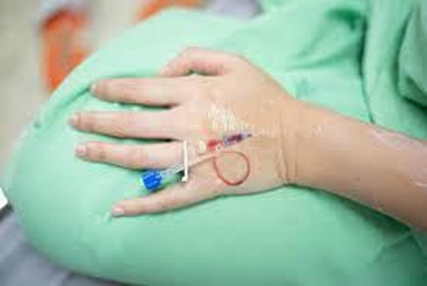
C. A saline lock is a device that allows access to a vein without having to insert a needle each time. This can reduce the number of painful procedures and lower the risk of infection or inflammation.
D. Numbing techniques can help reduce pain and discomfort during procedures and are typically used to enhance atraumatic care, especially for repeated procedures like blood draws or IV insertion. Therefore, avoiding them may not be beneficial.
Correct Answer is D
Explanation
A. A height of 47 inches would indicate excessive growth.
B. A height of 41 inches would indicate insufficient growth.
C. A height of 45 inches would be slightly above the normal range.
D. The normal range of growth for a preschooler varies, but typically, a child will grow approximately 2-3 inches per year. Given that the girl was 40 inches tall at age 4, a height of 43 inches at age 5 would be within the expected range of growth.
Whether you are a student looking to ace your exams or a practicing nurse seeking to enhance your expertise , our nursing education contents will empower you with the confidence and competence to make a difference in the lives of patients and become a respected leader in the healthcare field.
Visit Naxlex, invest in your future and unlock endless possibilities with our unparalleled nursing education contents today