
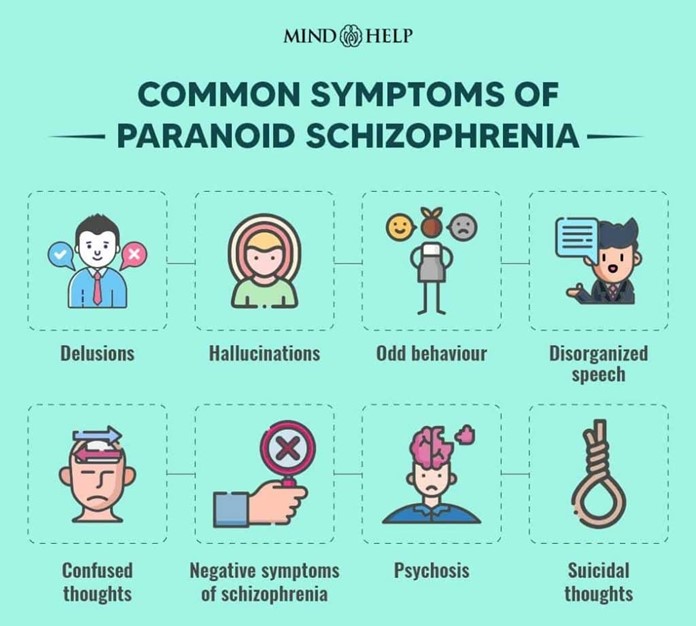
The practical nurse is evaluating a male client with paranoia. Which behavior can this client be expected to exhibit?
Is openly hostile to others for no apparent reason.
Talks to voices only he can hear.
Repeatedly tries to commit suicide.
Tries to run the unit, telling everyone what to do and when to do it.
The Correct Answer is A
A male client with paranoia can be expected to exhibit behavior such as being **openly hostile to others for no apparent reason**. Paranoia is a mental health condition characterized by intense and irrational mistrust or suspicion of others. This can lead to hostility and aggression towards others, even when there is no apparent reason for it.
Nursing Test Bank
Naxlex Comprehensive Predictor Exams
Related Questions
Correct Answer is C
Explanation
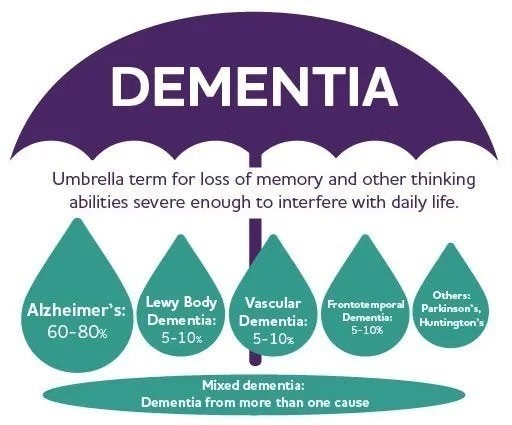
Restlessness, confusion, and agitation are common symptoms of dementia, particularly in the evening, a phenomenon known as sundowning. Therefore, the PN should implement interventions that can help to prevent or minimize these symptoms. Assigning the client to a room close to the nurses' station can help to provide constant observation and reassurance and can help to prevent the client from wandering or becoming disoriented.
A. Delaying administration of nighttime medications until after visitors have left may be appropriate, but it is not the first intervention to be implemented in this scenario.
B. Administering a prescribed PRN benzodiazepine at the onset of a confused state may be appropriate in some cases, but it should not be the first intervention to be implemented in this scenario.
D. Asking family members about how they dealt with the client in the evening may be helpful, but it is not the first intervention to be implemented in this scenario.
Correct Answer is B
Explanation
Guided imagery is a technique that can help the client to relax and reduce anxiety by imagining a peaceful and calming scene. This technique can be helpful for clients waiting for surgery to reduce stress and promote relaxation.
Option A (mindfulness) may also be helpful, but it may require more practice and preparation than guided imagery.
Option C (biofeedback) may not be feasible in the preoperative holding area, and
Option D (cognitive reframing) may not be helpful in the immediate preoperative period.
Therefore, options A, C, and D are not answers because they may not be the most effective technique to help the client in the preoperative holding area.
Whether you are a student looking to ace your exams or a practicing nurse seeking to enhance your expertise , our nursing education contents will empower you with the confidence and competence to make a difference in the lives of patients and become a respected leader in the healthcare field.
Visit Naxlex, invest in your future and unlock endless possibilities with our unparalleled nursing education contents today